
Owning a exotic small pet is an incredibly unique and rewarding experience. However, learning the art of Handling Your Hedgehog requires deep patience, dedicated understanding, and the application of proper physical techniques.
Unlike standard domestic companions like cats or dogs, these small mammals possess a very sensory-driven view of the world. They rely heavily on an advanced sense of smell and touch rather than clear vision to evaluate their immediate surroundings.
Building a deep bond with a prickly companion takes deliberate, daily effort. By mastering the fundamentals of safe physical interaction, you can easily transform a timid, balled-up exotic pet into a completely relaxed, deeply trusting companion animal.
1. Understanding Hedgehog Behavior and “Quilling”
Before attempting any type of close contact, you must comprehend their primary natural defense mechanism. A healthy adult hedgehog possesses between 5,000 and 7,000 extremely sharp, modified hairs known structurally as quills.
When threatened or startled, specialized muscles pull their skin tight, instantly rolling them into a protective ball. For success with Handling Your Hedgehog, learning to read these immediate, instinctual physical reactions is absolutely paramount.
The Hiss and Puff Defense
If your pet produces a distinct huffing sound or clicking noise, they are communicating discomfort. These structural auditory signals mean they feel exposed and require immediate personal space to calm down down.
Advanced Scent Recognition
Exotic hedgehogs suffer from naturally poor eyesight but boast an incredibly sensitive olfactory system. They memorize their human owners exclusively via smell, eventually associating your personal aroma with complete safety.
2. The Golden Rule: Wash Your Hands First
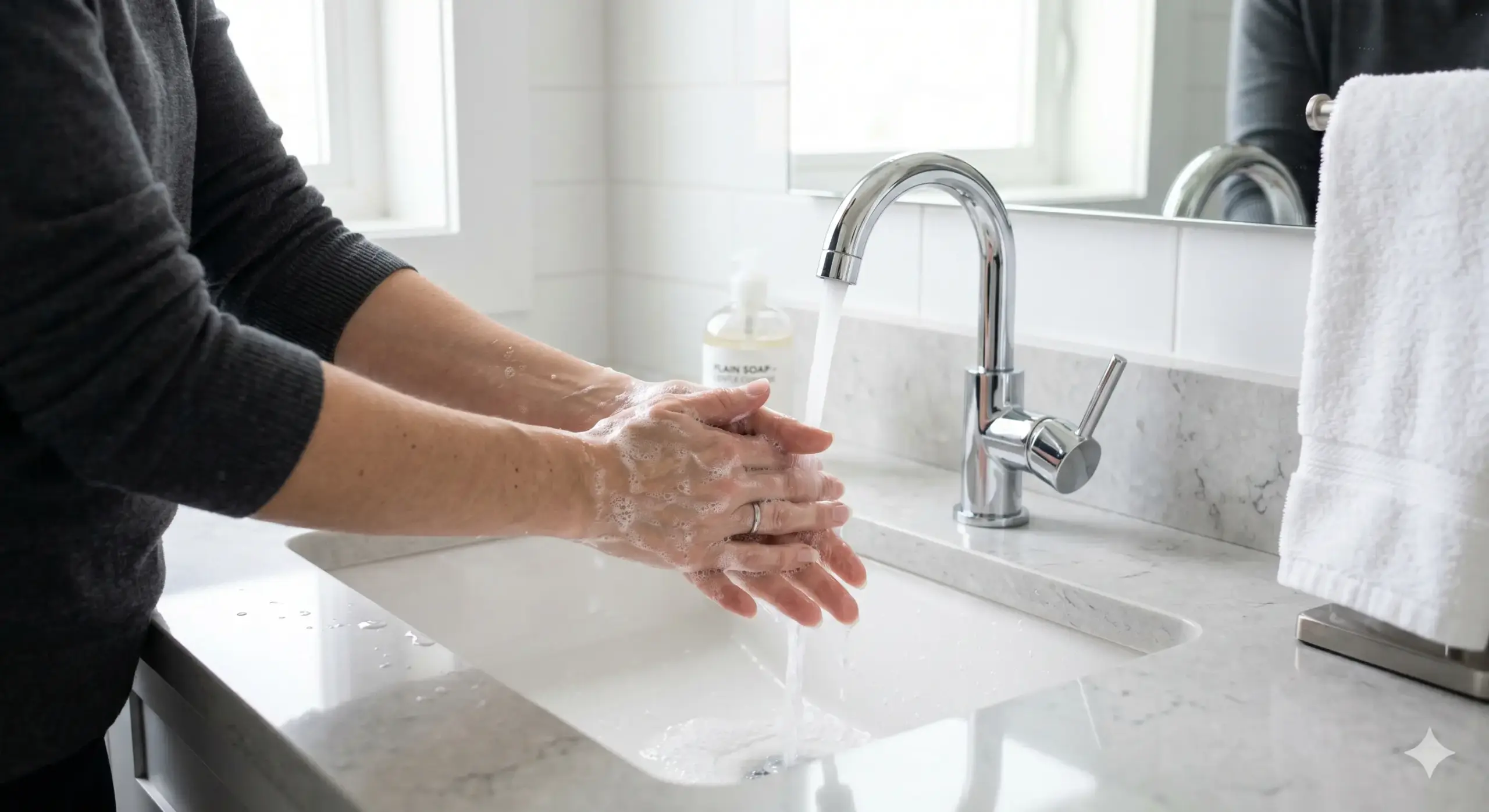
Always wash your hands thoroughly right before initiating any session focused on Handling Your Hedgehog. However, you must carefully avoid choosing highly scented soaps, artificial perfumes, or heavily fragranced skin lotions.
If your skin smells strongly of sweet fruits or floral extracts, your pet might become confused. This confusion often leads them to take a quick “test bite” to explore the appealing scent profile.
Using the exact same mild, unscented soap every single day creates predictable olfactory consistency for your pet. This routine helps the animal immediately link your natural, clean smell with secure bonding periods and positive interactions.
3. How to Properly Pick Up a Hedgehog
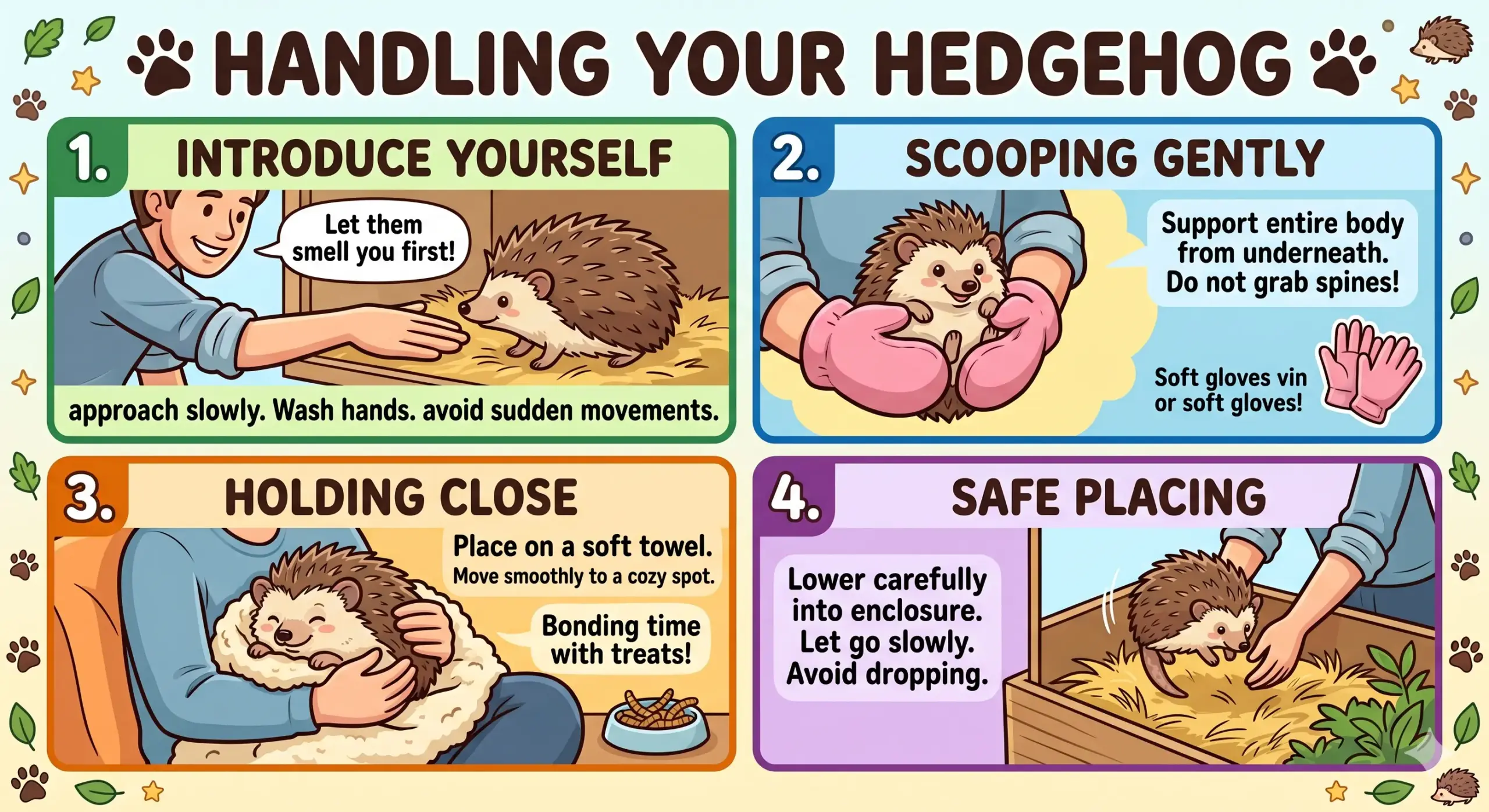
The ultimate goal of lifting an exotic pet is to scoop them gently from beneath. You should never attempt to grab, pinch, or lift them from the top of their body, as this mimics predatory movements.
To execute this properly, slide both of your open, flat hands underneath their soft belly while they are walking. Carefully lift them upward, bringing them close against your chest for added structural security and physical support.
Avoid wearing thick leather gloves during this process if you want to optimize Handling Your Hedgehog effectively. While gloves shield against minor prickles, they block your scent from reaching the animal, severely stalling the bonding timeline.
4. The Bonding Process: Patience is Key
True behavioral adaptation never occurs overnight for a naturally solitary, nocturnal prey animal. It frequently takes several weeks or even multiple months of daily contact for them to fully lower their defenses.
You can utilize a soft fleece snuggle sack to safely hold them on your lap while relaxing. This allows the pet to feel secure while resting quietly near your warmth, making Handling Your Hedgehog a stress-free routine.
Another excellent strategy is putting a recently worn, unwashed cotton T-shirt directly inside their enclosure. This passive method constantly exposes them to your specific biology, even when you are away from the room.
5. The Human Experience: A Lesson in Trust and Small Wonders
I remember sitting on my living room floor, staring at a tight, hissing ball of sharp needles. It felt impossible. My hands were sore, my patience was thin, and I honestly wondered if this tiny creature would ever tolerate my presence. Days bled into weeks of quiet, motionless holding. Then, it happened. A tiny, wet nose poked out from the sharp armor, sniffing the air with hesitant curiosity.
The quills slowly parted. They laid completely flat against her back, soft as velvet. In that silent moment, as she fell asleep in my bare hand, the frustration melted away entirely. It taught me that real connection cannot be rushed or forced. It requires quiet dedication. This journey isn’t about mastering a pet; it is about learning a completely new language of quiet, profound trust.
6. Dealing with “Self-Anointing” Behavior
When hedgehogs encounter a novel, intensely fascinating scent in their environment, they exhibit a unique habit. They begin foaming at the mouth, contorting their spines to paint this frothy saliva directly onto their quills.
If you apply a new moisturizer and notice this odd display, there is absolutely no reason to panic. This is completely natural behavior that indicates they are actively processing, cataloging, and memorizing your scent profile.
7. Safe Playtime and Environmental Settings
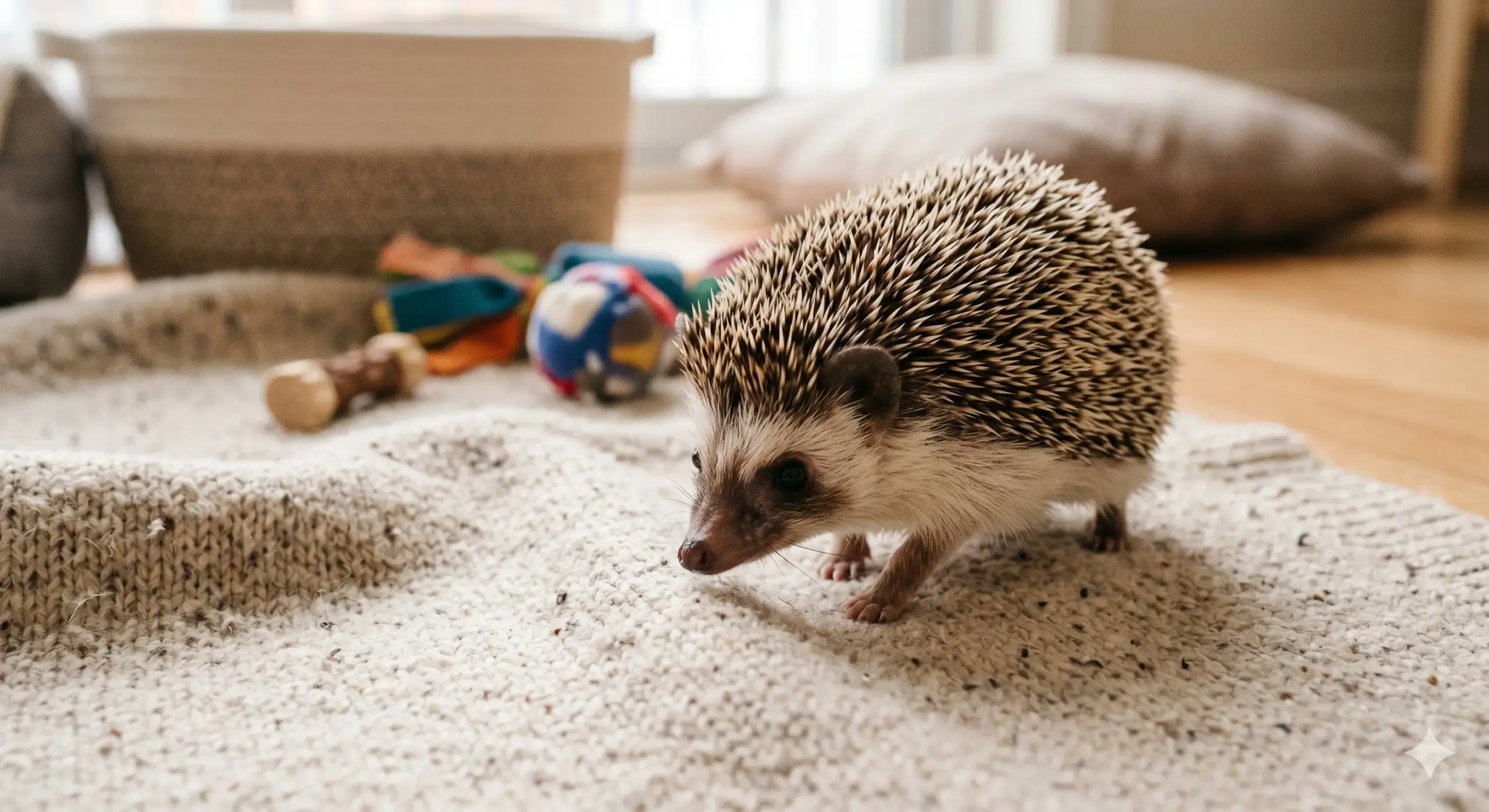
To maintain optimal physical health, captive African pygmy hedgehogs require regular daily exercise and mental stimulation. Providing a safe, wide-open floor space allows them to explore safely under your watchful eye.
A solid-surface plastic running wheel is absolutely mandatory inside their primary living enclosure. Wire wheels must be strictly avoided, as they can severely trap, cut, or fracture their small, delicate feet.
Preventing obesity through active daily movement is a fundamental component of proper pet care. Regular out-of-cage handling directly promotes physical fitness, supporting long-term health as outlined by professional groups like the World Veterinary Association.
8. A Complete Handling and Behavioral Comparison
To help you understand the various stages of Handling Your Hedgehog, review this behavioral matrix:
| Hedgehog Body Language | What It Means Emotionally | Recommended Owner Action |
|---|---|---|
| Quills lying completely flat | Calm, relaxed, and comfortable | Excellent time for gentle petting and holding |
| Forehead quills raised forward | Alert, cautious, or slightly annoyed | Move slowly, speak softly, avoid sudden gestures |
| Tightly rolled ball with hissing | Terrified, defensive, or highly stressed | Hold quietly in palms; do not force open |
| Foaming at mouth (Self-Anointing) | Processing a brand new scent profile | Allow them to finish; do not disrupt them |
9. Reading Body Language Accurately
When practicing Handling Your Hedgehog, observing their subtle physical changes prevents stressful bites. If their quills lie smooth along their back, they feel entirely safe in your hands.
If the quills directly above their forehead shift forward into a “mohawk” shape, they are highly alert. This positional shift means they are investigating a strange sound or feel slightly irritated by current movements.
The full defensive ball signifies a clear message: “leave me completely alone for the time being.” Respect this boundary by resting them calmly on your lap without forcing them to unroll before they feel secure.
10. Hygiene and Grooming During Handling
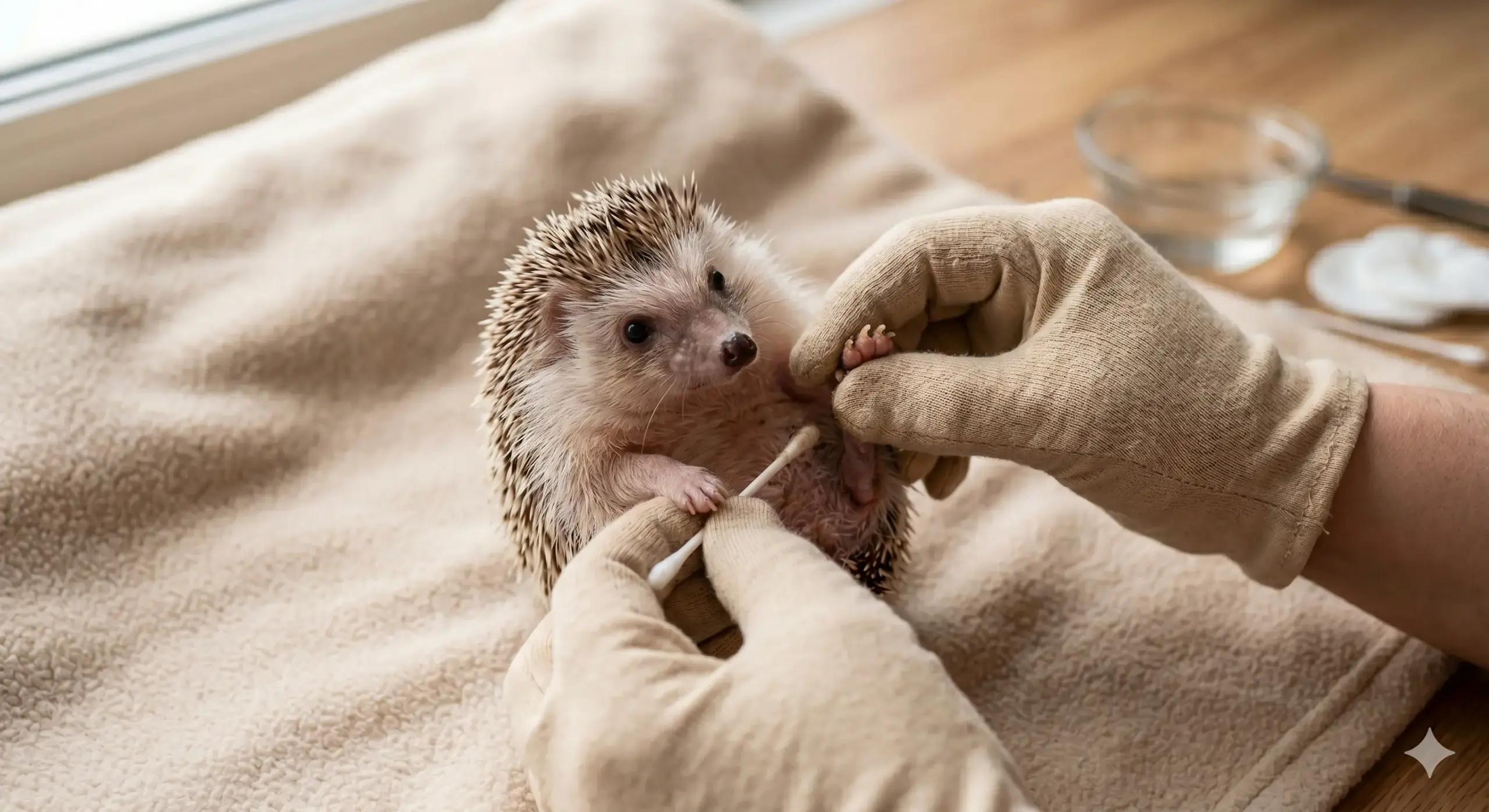
Daily handling sessions offer the perfect structural opportunity to conduct a quick head-to-tail wellness examination. Pay close attention to their fast-growing nails, which can easily curl and snap off during wheel running.
Use small, sharp cat nail clippers to trim just the transparent tips, avoiding the sensitive inner quick. Keeping their nails short prevents painful snags on fleece bedding, carpet fibers, or cage accessories.
Hedgehogs regularly accumulate fecal matter on their paws, commonly referred to by enthusiasts as “poop boots.” A shallow, lukewarm foot bath with one inch of water cleans their paws safely without inducing stress.
11. Common Health Issues to Watch for During Handling
Regular physical contact allows you to spot systemic health changes before they turn into severe medical emergencies. While Handling Your Hedgehog, always check their mobility, skin health, and overall quill retention patterns.
Wobbly Hedgehog Syndrome (WHS) is a progressive, degenerative neurological disorder specific to this species. If you notice a persistent tilt, loss of balance, or hind-leg weakness, contact an exotic veterinarian immediately.
Slight quill shedding is normal during juvenile development, but adult bald patches indicate health issues like parasitic mites. Inspect their skin for heavy flaking, redness, or crusting around the base of the quills.
Captive hedgehogs frequently suffer from dry skin due to household heating systems or low indoor humidity levels. Adding a single drop of organic flaxseed oil directly to their food can drastically improve skin elasticity.
12. Temperature Control: The 72-80°F Rule
An exotic pet’s daily behavior, energy levels, and tractability are fundamentally governed by ambient environmental temperatures. Their enclosure must be maintained within a strict window of 72°F to 80°F continuously.
If their room drops below 72°F, the animal may attempt an emergency winter hibernation response. This reaction is incredibly dangerous and often fatal for domesticated African Pygmy hedgehogs kept as household pets.
If temperatures climb past 80°F, they can enter a heat-sleep state known as estivation. Utilize a ceramic heat emitter attached to a digital thermostat to maintain stable, safe environmental temperatures year-round.
13. Hedgehog Diet and Its Effect on Temperament
High-quality nutrition directly shapes how your pet acts during human interaction sessions. A malnourished or uncomfortably bloated hedgehog will be significantly more irritable, defensive, and prone to hissing.
Their primary daily diet must consist of a high-protein, low-fat crunchy dry cat kibble. You can easily augment this staple food with live, gut-loaded insects to boost protein variety.
Feeding live mealworms or dubia roaches using specialized rubber-tipped tweezers creates incredibly strong positive associations. The animal quickly learns to connect your physical presence with high-value, delicious nutritional rewards.
14. Fun Activity: Hedgehog Bath Time “Swimming”
While they should never be placed into deep water, a supervised shallow bath can be highly entertaining. It functions as an interactive grooming exercise that keeps their skin clean and keeps them active.
Fill a clean washbasin or bathroom sink with two inches of lukewarm water, testing it carefully with your wrist. Allow them to splash gently, which provides excellent physical exercise for their leg muscles.
Use a soft-bristled baby toothbrush to gently scrub away dirt from their quills, brushing only in the natural direction of growth. Always wrap them in a warm towel immediately afterward, ensuring they are entirely dry before returning to their cage.