
Hedgehogs are undoubtedly some of the most charming creatures in the animal kingdom. With their prickly backs and twitchy noses, they have captured the hearts of exotic pet lovers worldwide. But there is much more to these animals than just their cute, photogenic appearance.
If you have ever wondered about their mysterious habits, unique biology, or survival strategies, you are in the perfect place. Understanding the core Facts About Hedgehogs can dramatically shift how we care for these astonishing animals in captivity.
To help boost your knowledge and provide ultimate clarity, we have compiled an exhaustive guide filled with deep insights. These practical and scientific breakdown points will easily surprise even the most experienced wildlife enthusiasts and dedicated pet owners.
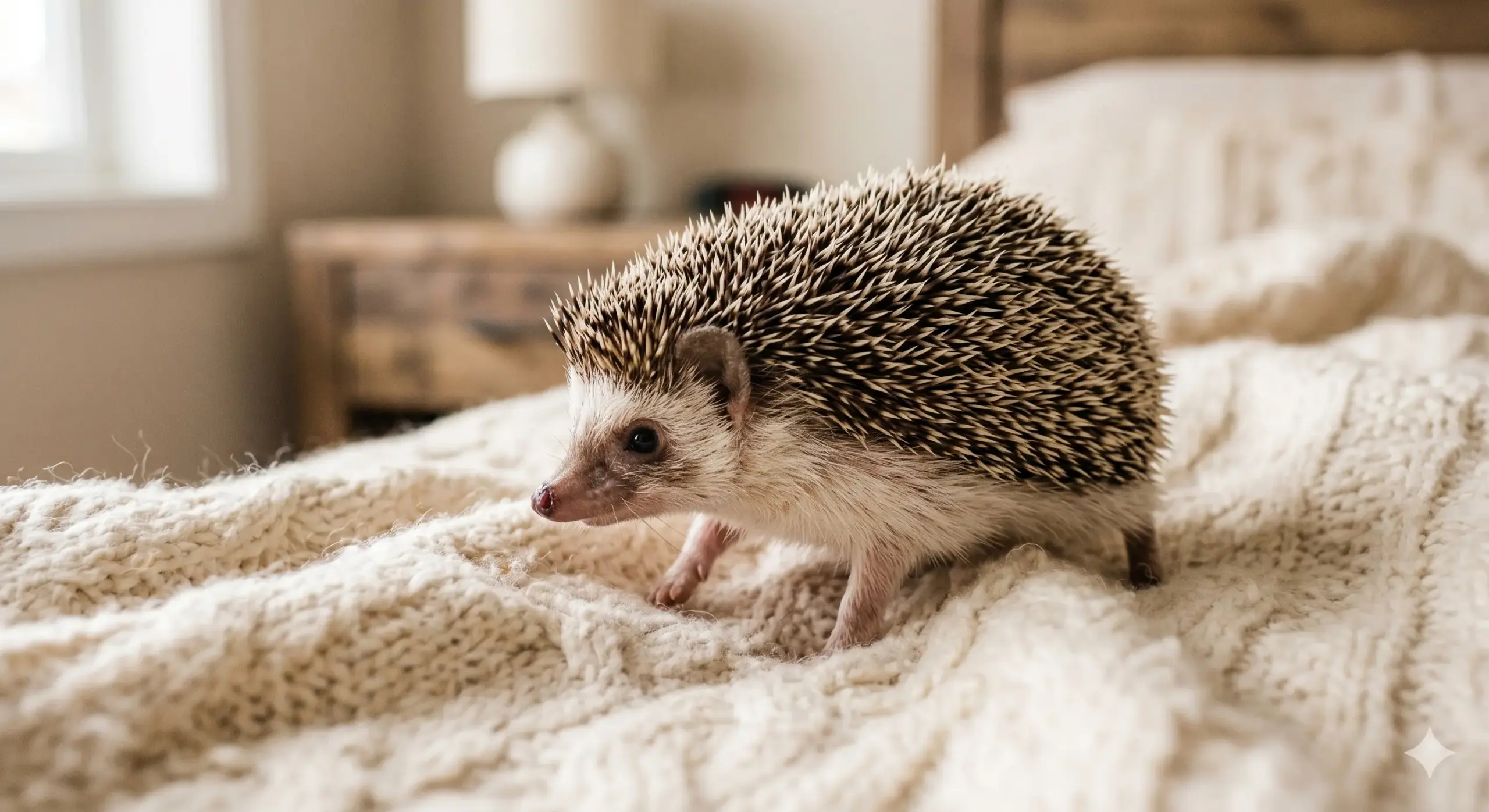
1. The Prickly Armor: They Have Thousands of Quills
The most iconic feature of this animal is undoubtedly its sharp, spike-covered back. A single, healthy adult creature can possess anywhere between 5,000 and 7,000 individual quills across its dorsal surface.
Unlike porcupine quills, these structures are not barbed, nor are they inherently poisonous or engineered to detach easily. They are hollow, incredibly lightweight, and primarily composed of keratin, which is the same strong protein forming human hair.
When studying critical Facts About Hedgehogs, you realize that these quills act as a complex shock-absorption system. If a creature falls from a small height, its specialized spine system cushions the impact perfectly to prevent internal injury.
2. Social Structure: A Group of Hedgehogs is Called an “Array”
These spiked mammals are generally highly solitary creatures who strongly prefer their own independent company throughout their lifespans. They forage alone, navigate territories individually, and only seek out companionship during the brief annual mating seasons.
However, if you ever happen to encounter a rare group of them gathered together, they are collectively known as an “Array”. This charming term reflects their clustered, radiating appearance when multiple individuals gather in close proximity.
In the wild, you will mostly find them hunting for insects alone under the dark cover of night. Their solitary nature means that housing multiple adults together in a single pet enclosure can lead to severe territorial fighting.
3. Dietary Warnings: They Are Strictly Lactose Intolerant
This is a crucial biological fact that every single wildlife lover and backyard caretaker must memorize immediately. Many well-meaning people traditionally leave out small bowls of cow milk for visitors wandering through their backyard gardens.
Doing this is actually incredibly harmful to their fragile digestive tracks because these small insectivores are completely lactose intolerant. Consuming any form of dairy products leads directly to severe stomach upset, acute diarrhea, and fatal dehydration.
When analyzing key Facts About Hedgehogs, prioritizing safe hydration is paramount for keeping local populations healthy. Always provide clean, fresh water in shallow dishes rather than relying on outdated myths regarding dairy feeding habits.

4. Chemical Frothing: A Bizarre Habit Called “Self-Anointing”
If an individual encounters an unfamiliar, pungent, or intensely strong scent in its environment, it executes a mesmerizing ritual. It will chew the physical source of the smell vigorously until it generates a thick, frothy saliva mixture.
The animal then contorts its flexible body to spread that white foam all over its sharp quills using its tongue. This complex behavior is formally known among global veterinary researchers and ethologists as “self-anointing.”
Scientists strongly believe this evolutionary trait helps them camouflage their natural scent from dangerous predators or protect themselves against parasites. It remains one of the most astonishing behavioral Facts About Hedgehogs observed in nature.
5. Venom Resistance: They Are Immune to Some Snake Venom
These little mammals are vastly tougher than their small size and adorable, twitchy faces might initially suggest to observers. Over millions of years of evolution, they have developed a remarkable natural resistance to certain dangerous types of snake venom.
This unique biochemical adaptation allows them to occasionally hunt, kill, and prey on small venomous snakes without being affected. Protein mutations in their bloodstream prevent the toxins from binding to their cellular receptors effectively.
Discovering these hidden defensive mechanisms highlights why researching detailed Facts About Hedgehogs is so incredibly fascinating for biologists worldwide. They are highly efficient survivors capable of navigating hostile environments filled with toxic hazards.
6. Sensory Mechanics: Hedgehogs See with Their Ears and Noses
These nocturnal foragers have relatively poor, underdeveloped eyesight that fails to serve them well during bright daylight hours. Their vision is limited to a blurry grayscale perspective, making it difficult to detect static objects or distant threats.
To safely navigate their environments, they rely heavily on their exceptionally acute senses of hearing and olfactory smell. Their long, highly sensitive, wet snouts can detect moving prey hidden deep underground or beneath dense leaf litter.
They constantly twitch their noses to map out their surroundings through micro-scents, detecting subtle changes in wind direction. Combining perfect auditory hearing with superior smell allows them to thrive efficiently in the pitch-black darkness of night.
The Human Experience: A Journey of Prickles and Patience
I remember the first night I brought my quill-covered companion home. Silence filled the room. Suddenly, a tiny huffing sound broke the quietness. It was defensive. My heart sank as a tight, impenetrable ball of sharp needles greeted my outstretched hand. I felt entirely rejected by this ancient creature.
Patience changes everything. It took three months of sitting on the floor in absolute stillness before the miracle finally happened. Trust is earned slowly. Then, a soft, wet pink nose cautiously poked out from the sharp armor. Two tiny, obsidian eyes locked onto mine. It was a profound, deeply emotional breakthrough that moved me to tears.
They aren’t like traditional pets that instantly crave your affection. They demand your silence, your understanding, and your time. Watching that little creature uncurl completely on my warm palm, feeling the spikes lay completely flat against its back, was intoxicating. It transformed my perspective on companion animals forever.
7. Deep Evolutionary Roots: They Are Truly Ancient
These mammals have been traversing the surface of our planet for an incredibly vast expanse of geological time. Fascinating fossil records suggest that direct ancestors of the modern species existed as far back as the ancient Eocene epoch.
This means their lineage dates back roughly 15 million years, showcasing a resilient design that has withstood radical environmental changes. They successfully outlasted numerous prehistoric mammal species, climate shifts, and massive predatory waves across multiple continents.
When discussing historical Facts About Hedgehogs, appreciating their evolutionary longevity changes how we view their simple biology. Their defensive quill architecture is clearly a masterpiece of survival engineering that requires minimal structural modification.
8. Climate Adaptation: Not All Hedgehogs Hibernate
While European populations are world-famous for entering deep hibernation during freezing winter months, desert-dwelling species differ completely. Species native to arid zones do not experience traditional winter dormancy due to the lack of freezing cold temperatures.
Instead, they enter a specialized biological state known as “aestivation” to successfully endure periods of extreme heat and drought. This metabolic slowdown allows them to conserve precious internal moisture and survive when food resources become critically scarce.
Understanding these distinct regional variations is essential when compiling comprehensive biological Facts About Hedgehogs for educational research. Their ability to alter metabolic rates based on local climate extremes is an incredible evolutionary feat.
9. High Endurance: They Can Travel Miles in a Single Night
Do not let their short, stubby legs or clumsy, waddling gaits fool you into assuming they are slow, sedentary animals. A wild individual can easily roam up to 2 miles (3 kilometers) during a single evening hunt.
They actively patrol wide home ranges in search of sustainable insect populations, fallen fruits, and potential breeding partners. This incredibly high natural activity level explains why captive individuals require immense space to maintain proper physical health.
For pet owners, keeping these movement-oriented Facts About Hedgehogs in mind is essential for designing appropriate indoor housing layouts. Restricting their natural urge to run long distances leads directly to severe psychological depression and physical muscle atrophy.
10. Linguistic History: They Were Once Called “Urchins”
During the Middle English historical period, the common vernacular word used to identify this animal was actually “urchin”. This ancient term was completely descriptive of their spiky appearance and round, compact body shapes when resting.
This fascinating linguistic history is the exact reason why we call spiky marine creatures “Sea Urchins” to this day. Early mariners looked at the spiked ocean dwellers and immediately correlated them with the familiar land mammals roaming their hedges.
Exploring etymological Facts About Hedgehogs reveals how deeply interwoven these creatures are within human cultural and linguistic development. Their iconic, pointed physical profile has inspired descriptors across completely different animal classes for centuries.
11. Taxonomy Breakdown: A Guide to Unique Species
Not all spiked mammals are created equal, as there are currently 17 distinct species categorized into five unique genera worldwide. Each species has adapted beautifully to its native geographic biome, developing unique physiological traits to survive.
The African Pygmy Hedgehog is the absolute most popular species kept as domesticated pets across North America and Europe. They are significantly smaller than wild European variants and require strictly regulated, warm ambient temperatures to thrive safely.
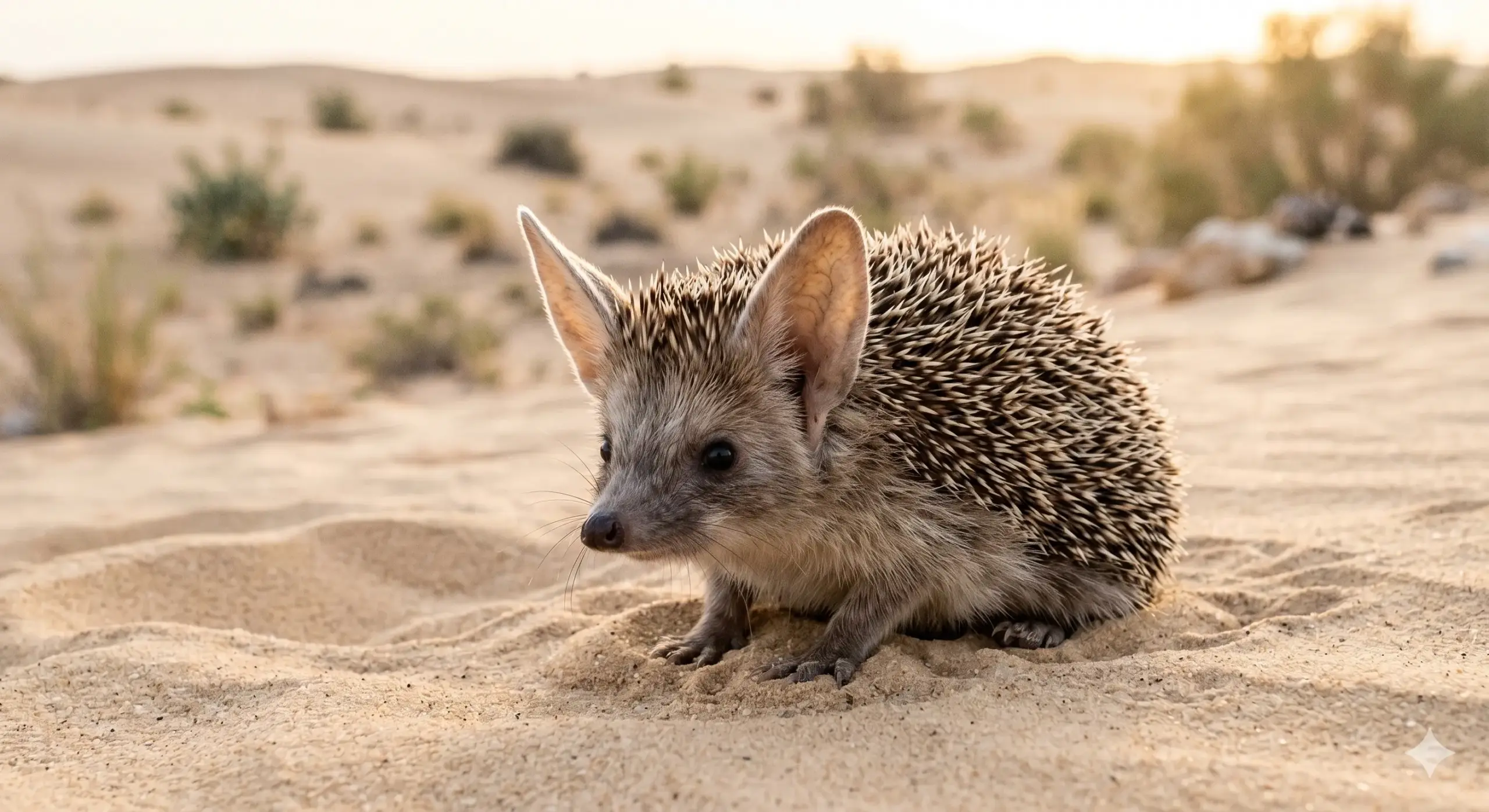
Conversely, the European Hedgehog is commonly found roaming wild through suburban gardens across the United Kingdom, growing much larger. Additionally, the Egyptian Long-Eared Hedgehog sports exceptionally large ears designed to efficiently dissipate intense desert heat waves.
12. The Perfect Ball: An Unusual Defense Mechanism
When confronted by an aggressive predator, this animal almost never chooses to flee or engage in physical combat. Instead, it utilizes highly specialized, powerful muscles running along its back to roll its body into an impenetrable sphere.
This mechanical movement tucks away their highly vulnerable face, soft underbelly, and delicate legs entirely within a protective barrier. It leaves absolutely nothing exposed to the outside threat except for a solid, prickly sphere of incredibly sharp quills.
According to wildlife statistics and core Facts About Hedgehogs, very few natural predators can successfully breach this defensive posture. Large badgers possess the immense claw strength required to forcefully unroll them, making them one of their few successful predators.
13. Etymology Explained: Where the Name Comes From
The compound name “Hedgehog” is entirely descriptive of the animal’s favorite natural foraging habitats and unique vocalizations. It perfectly summarizes how rural human populations interacted with these nocturnal neighbors over past centuries of agricultural life.
The prefix “Hedge” refers directly to their habit of building nests and foraging within dense garden hedges and thick undergrowth. The suffix “Hog” stems from the distinct, pig-like grunting and snorting noises they make while digging through autumn leaves.
Learning these historical etymological Facts About Hedgehogs helps enthusiast appreciate their deep cultural connection to traditional European countrysides. Their descriptive name acts as a literal behavioral summary that stands the test of time.
14. Reproduction Basics: Meet the “Hoglets”
Baby individuals are formally known as hoglets, and they are born completely blind, helpless, and devoid of hardened armor. To prevent injuring the mother during the birthing process, their initial embryonic quills are surrounded by a soft, fluid-filled membrane.
Within mere hours after a successful birth, this protective fluid dries up, allowing the first soft white quills to emerge. These initial spines are gradually replaced by stronger, darker adult quills as the young mammal develops over the coming weeks.
Hoglets remain under the strict protective care of their mother for a brief period of only four to seven weeks total. After this developmental window closes, they transition into their completely solitary lifestyles, leaving the maternal nest permanently.
15. Behavioral Health: The Critical Importance of the Exercise Wheel
For modern exotic pet owners, understanding the relationship between physical activity and health is absolutely vital for proper husbandry. In captive environments, these small insectivores are exceptionally prone to developing severe, life-threatening obesity.
Because their wild counterparts run multiple miles every single night, providing a high-quality exercise wheel is a non-negotiable requirement. The wheel must feature a completely solid surface to prevent their delicate toes from getting caught and fractured during runs.
Integrating these activity-based Facts About Hedgehogs into your daily pet care routine ensures your companion remains mentally stimulated and physically fit. Consistent nocturnal exercise prevents dangerous fat accumulation around their internal vital organs.
Hedgehog Species & Traits Comparison Matrix
To help visualize how different species compare across global habitats, review this structured taxonomic summary:
| Species Name | Primary Natural Habitat | Average Adult Size | Primary Defense Adaptations |
|---|---|---|---|
| African Pygmy Hedgehog | Central African Savannas | 6 – 8 Inches | Tight rolling, small lightweight quills |
| European Hedgehog | European Woodlands & Gardens | 9 – 12 Inches | Deep winter hibernation, dense spine coat |
| Egyptian Long-Eared | North African Deserts | 6 – 7 Inches | Large heat-dissipating ears, high speed agile running |
| Indian Hedgehog | Indian Subcontinent Plains | 5 – 6 Inches | Aestivation during droughts, complex camouflage |
According to established veterinary standards published by the British Hedgehog Preservation Society, maintaining native habitats is critical for preserving global species diversity. Human expansion continues to fragment their traditional foraging territories rapidly.
Frequently Asked Questions (FAQ) – Expert Insights
Are hedgehogs good for residential gardens?
Yes, they are universally celebrated as a gardener’s absolute best friend. Their natural diet consists primarily of destructive agricultural pests including destructive slugs, snails, beetles, and caterpillars that ruin cultivated plants.
Do hedgehogs possess actual tails?
Yes, they do have actual tails, contrary to popular belief. A healthy individual possesses a tiny, stubby tail measuring roughly 1 to 2 centimeters in length, which remains completely hidden beneath their dense fur and sharp quills.
Are hedgehogs biologically related to porcupines?
No, they are not closely related at all despite both sharing the distinct physical trait of having sharp quills. Porcupines belong to the rodent family, whereas hedgehogs belong to the Eulipotyphla order alongside wild shrews and moles.
Can hedgehogs safely swim in open water?
Most species can actually swim surprisingly well when forced into open water sources. However, they easily become exhausted and drown rapidly if they cannot locate a shallow, gently sloped exit point to escape a backyard swimming pool.
Master Hedgehog Care Today!
Fascinated by these amazing Facts About Hedgehogs? Discovering their unique biological secrets is only the first step! If you are seriously considering bringing one home, or want to ensure your current spiky companion is truly thriving, don’t leave their health to chance. Dive deep into our comprehensive, step-by-step tutorial: Hedgehog: How to Take Care of Your Prickly Pet (Complete Guide) to master their diet, housing setups, and health management needs perfectly!