
A healthy adult hedgehog typically poops between 3 to 10 times every single day, with the vast majority of this waste produced during their active night hours. Because hedgehogs have a remarkably high metabolic rate and an extremely short digestive tract, food passes through their system in just 12 to 16 hours.
If you are a new quilled-pet parent wondering exactly how often do hedgehogs poop, this high daily output can feel overwhelming at first. Tracking daily droppings serves as one of the most reliable early-warning indicators of your pet’s overall gastrointestinal health, hydration level, and emotional stress.
Understanding these metabolic rhythms ensures you can spot digestive troubles long before they escalate into serious health emergencies.
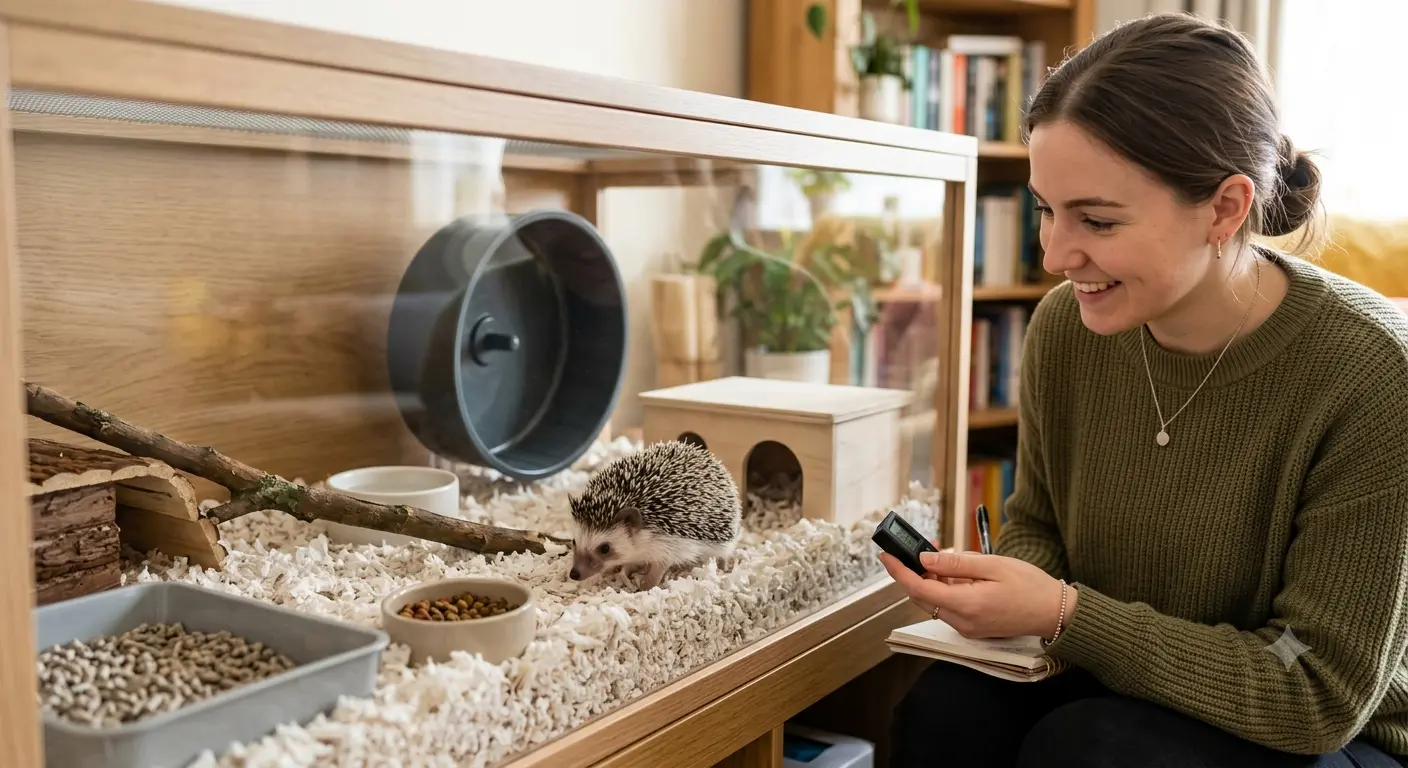
Understanding African Pygmy Hedgehog Digestion Dynamics
To fully grasp daily biological habits, one must examine the insectivore digestive process. Unlike dogs or cats, hedgehogs possess a simple monogastric stomach lacking a cecum. This anatomical quirk prevents them from breaking down complex plant fibers efficiently, forcing them to rely on rapid digestive turnover.
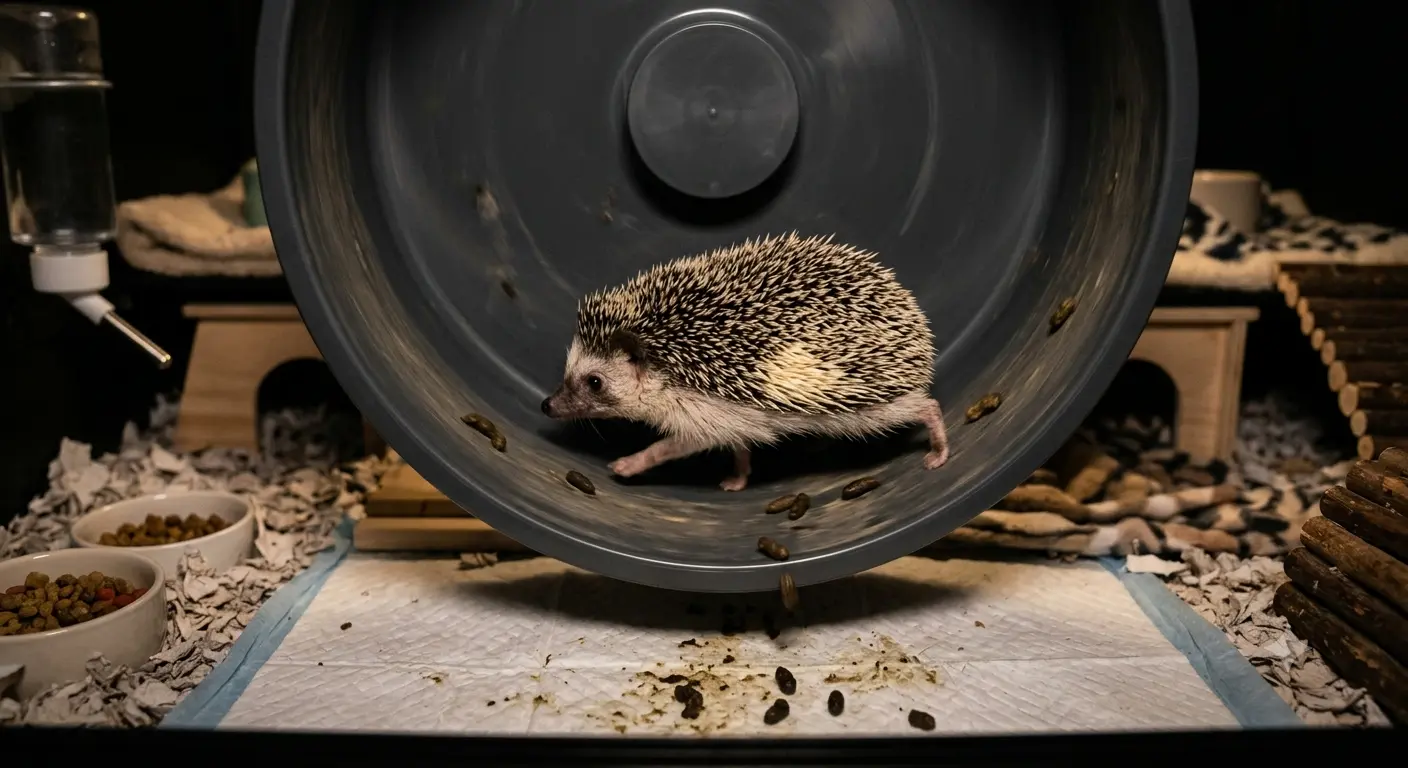
When asking experienced exotic owners how often do hedgehogs poop, they will tell you that physical activity directly triggers bowel movements. Running on a solid exercise wheel stimulates intestinal peristalsis almost instantly. Consequently, you will find most waste concentrated in and around their nightly running zone.
Digestion speeds up or slows down based on four primary environmental and physiological variables:
- Dietary Fiber Content: Chitin from feeder insects acts as natural roughage that bulks up stool and maintains regularity.
- Ambient Cage Temperature: Temperatures below 72°F (22°C) slow down metabolism, while optimal heat keeps digestion steady.
- Hydration Status: Fresh water intake ensures smooth waste movement through the colon without painful constipation.
- Daily Exercise Levels: Nightly wheel usage directly forces physical movement through the lower intestinal track.
Baseline Breakdown: Normal Frequency vs. Daily Volume
Establish a baseline by monitoring your pet over a full week of normal feeding. A young, growing hedgehog consuming high-protein kibble will naturally output higher stool volumes than a senior hedgehog with lower physical activity. Consistency in timing matters far more than precise piece counts.
It is perfectly natural to question how often do hedgehogs poop when you clean their habitat every morning. Expect to clean multiple droppings scattered across their running surface, litter box, and hideouts each day. Stool should feel soft yet firm enough to hold a solid, dark cylindrical shape without crumbling.
| Hedgehog Life Stage | Average Daily Frequency | Expected Stool Appearance | Primary Metabolic Driver |
|---|---|---|---|
If you want a detailed breakdown on identifying healthy colors, textures, and emergency warning signs, check out our comprehensive hedgehog poop guide to ensure your pet stays in peak physical condition.
Do Hedgehogs Poop A Lot While Running?
Yes, hedgehogs poop significantly while using their exercise wheels, and this behavior is completely normal. The physiological motion of running acts as an internal pump for their lower gastrointestinal tract. As their abdominal muscles contract during movement, stool pushes out effortlessly onto the wheel track.
This biological reality means owners often deal with what exotic enthusiasts call “poop boots.” Stool deposited on a moving exercise surface mixes with foot oils and gets pressed onto their tiny footpads. Daily foot baths and wheel scrubbings become non-negotiable aspects of responsible caretaking routine.
Why Hedgehog Pooping Frequency Changes Overnight
Sudden fluctuations in output always stem from distinct environmental or physical triggers. Tracking these changes helps you address issues before dehydration or gut impaction takes hold. Never ignore a sudden drop in output that lasts longer than twenty-four consecutive hours.
When tracking how often do hedgehogs poop, evaluate recent changes to their immediate environment. Stress plays a massive role in digestive speed. Moving cages, introducing new sounds, or altering lighting schedules can freeze gut motility temporarily.
Here are the primary causes behind unexpected output shifts:
- Dietary Changes: Switching kibble brands rapidly disrupts beneficial gut flora, causing transient diarrhea or constipation.
- Environmental Stress: New homes, loud household pets, or excessive handling trigger adrenaline, slowing intestinal contractions.
- Internal Parasites: Microscopic organisms like Giardia cause frequent, watery, green, or mucoid stool evacuations.
- Cold Stress: Inadequate heating forces hedgehogs toward conservation states, causing digestion to halt entirely.
According to veterinary guidelines from the Association of Exotic Mammal Veterinarians, maintaining ambient temperatures between 72°F and 80°F is critical for preventing gastrointestinal stasis in captive insectivores.
Personal Caregiver Journal: Lessons from the Cleaning Tray
When I brought Barnaby home, I thought I was ready. I wasn’t. My living room transformed overnight into a biohazard zone of tiny dark pellets and dirty exercise wheel tracks. Every single morning began with intense scrub sessions, and the frustration was very real.
I tried everything to fix the messy wheel situation. Fleece liners, paper bedding, moving the food bowl—nothing stopped the endless night deposits. I panicked constantly, wondering if his tiny stomach was upset or if I was failing as a keeper.
Then came week three. I noticed he only used his wheel right after drinking warm water post-wake up. A lightbulb went off! I started giving him a shallow warm foot-soak for five minutes right as his daily night cycle began. Magic. The warm water relaxed his digestive muscles instantly, clearing his system before he ever stepped foot on his running surface. Patience and simple observation beat panicking every single time.
Litter Training Solutions to Manage Daily Waste
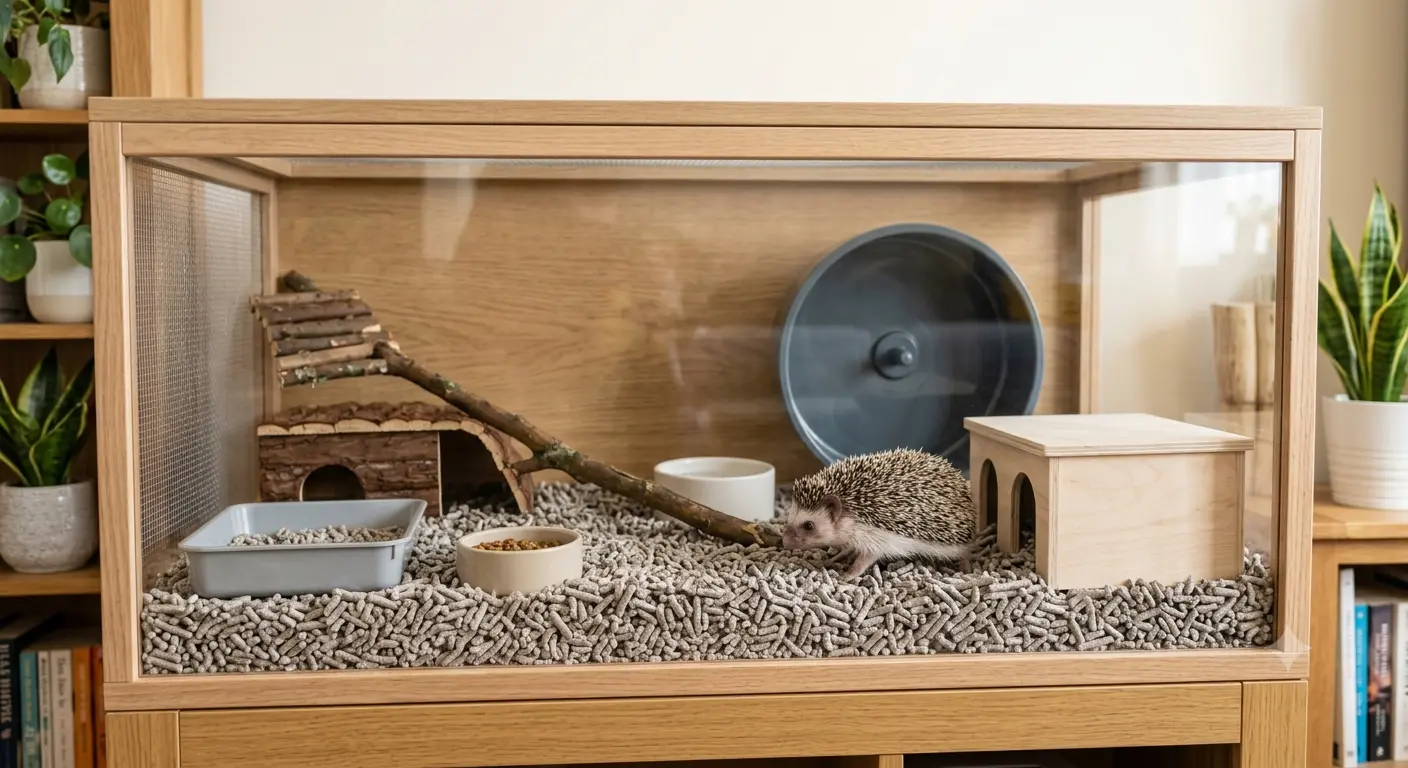
While you cannot reduce how often do hedgehogs poop, you can direct where that waste ends up. Litter training a quilled pet requires strategic placement rather than complex trick training. Because they naturally eliminate where they exit their bed or run, placement is everything.
Position a low-profile tray filled with paper-based pellets directly underneath their exercise wheel. Since physical exertion prompts evacuation, capturing stool directly below the wheel catches nearly eighty percent of daily waste output automatically. Clean this tray daily to prevent odor buildup.
When to Seek Immediate Exotic Veterinary Care
Monitoring output helps you spot critical health emergencies early. Missing waste for over twenty-four hours indicates potential gut stasis or blockage, both of which require immediate medical intervention. Delays in treatment can prove fatal for small insectivores with fragile metabolic balances.
If you notice any of these alarming stool characteristics, contact an exotic veterinarian right away:
- Bright Green Slime: Indicates bile passing unabsorbed due to rapid transit, severe stress, or starvation.
- Black Tarry Stool: Signals digested blood originating from the upper stomach or esophagus.
- Complete Absence of Output: Points toward intestinal impaction, severe dehydration, or hibernation attempts.
- Watery Diarrhea: Causes rapid, life-threatening dehydration within a single twelve-hour window.
Frequently Asked Questions About Hedgehog Waste
Body warmth from your hands combined with physical movement stimulates their intestinal muscles. Additionally, mild anxiety from being handled causes nervous elimination in younger hedgehogs.
No, coprophagy is rare in hedgehogs compared to rabbits. If your pet regularly eats stool, evaluate their diet for severe nutrient deficiencies or consult a vet.
Give your pet a shallow warm-water foot bath (ankle deep) for two minutes. The dried waste will soften effortlessly, allowing you to wipe it away gently with a cloth.
Stress causes short-term spikes in bowel frequency, resulting in softer, loose, or greenish stool until the animal feels secure in its environment again.
Maintaining Healthy Digestion for Long-Term Wellness
Managing daily waste is an unavoidable part of quilled pet ownership. By observing daily habits, maintaining stable cage temperatures, and offering high-protein insect-based diets, you keep their digestive tract running smoothly.
Keep a close eye on their daily wheel cleanliness and litter trays every morning. Understanding how often do hedgehogs poop empowers you to spot subtle health issues early, ensuring your exotic companion enjoys a comfortable, active, and happy life.