
Every hedgehog owner eventually wakes up to a startling discovery: tiny, cute paws encrusted in a thick layer of dried waste. If you have been frantically searching for remedies online, you are dealing with a phenomenon known globally among exotic pet lovers as hedgehog poop boots.
To fix this issue immediately, you must soften the hardened debris with a warm shallow water soak and gently massage their footpads. Long-term prevention requires optimizing your running wheel surface, adjusting dietary fiber, and establishing a daily cleaning rhythm before waste hardens into painful caked boots.
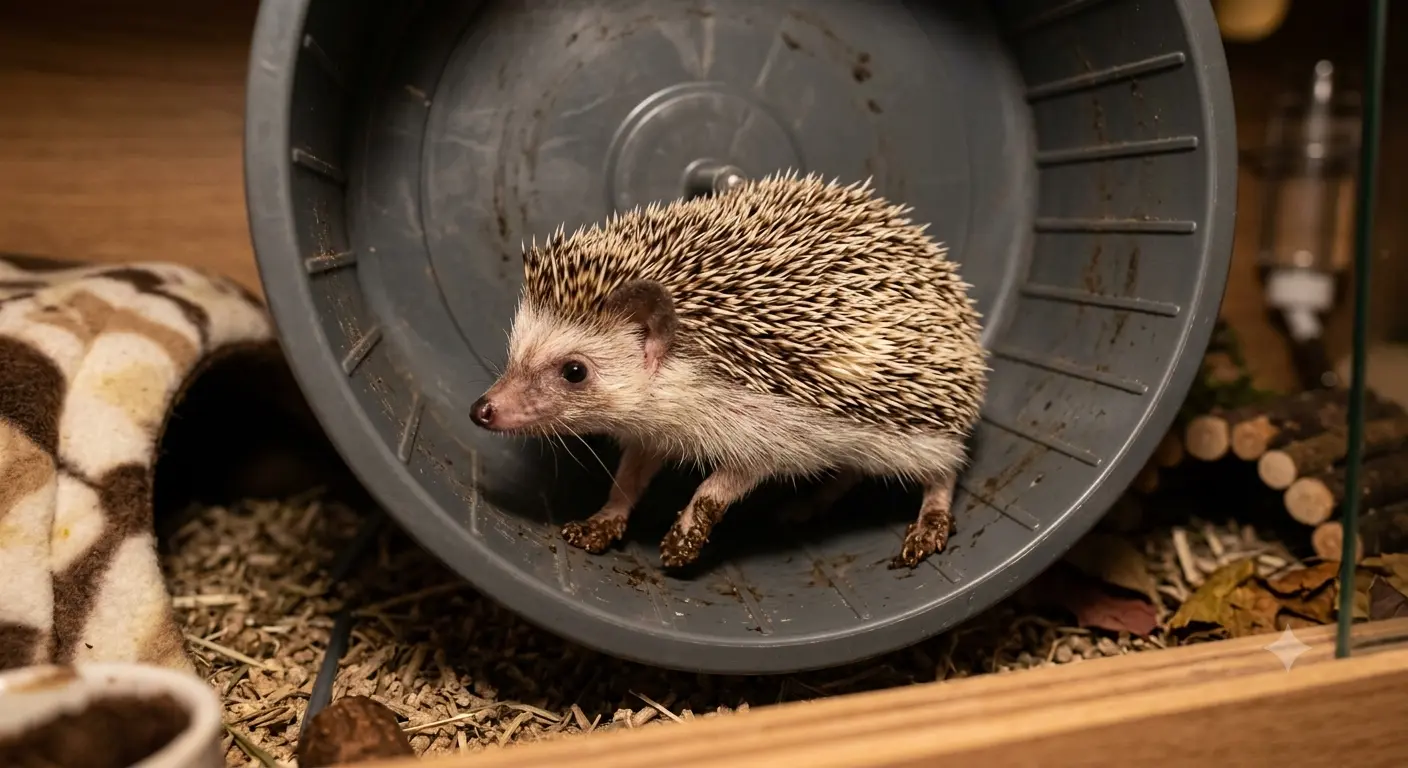
African Pygmy hedgehogs are nocturnal power runners capable of logging over four miles every single night on their exercise wheels. Because they relieve themselves freely while running, their tiny toes constantly churn through fresh feces, creating dense compacted layers on their paws as they exercise continuously in the dark.
Understanding the root causes of these hardened waste boots, learning how to safely remove them, and establishing a preventative care routine will save your prickly companion from skin infections, torn nails, and unnecessary daily distress.
Hedgehog Poop Boots: Causes and Prevention
Hedgehogs do not build caked paws out of poor hygiene preferences or spite. In the wild, hedgehogs travel vast distances across varied terrain, grass, and loose soil, which naturally scrubs their feet clean as they trek throughout the night searching for insects.
In a captive home environment, running continuously on a smooth plastic surface creates a localized treadmill effect. The primary cause of hedgehog poop boots in captive environments stems from wet waste hitting the plastic track while continuous foot movement compresses it directly into toe gaps repeatedly.
As the hedgehog runs through the night, body heat and ambient air dry these compressed layers rapidly. By morning, what started as liquid moisture transforms into hard, concrete-like boots that adhere tightly to hair and soft footpad skin.
Dietary imbalances also play a massive role in how rapidly waste adheres to small paws. Diets lacking sufficient fiber produce loose or sticky stools that adhere far more aggressively than firm, healthy droppings generated by balanced insectivorous diets.
Health Risks Associated with Hardened Foot Debris
Ignoring heavy fecal accumulation on your pet’s feet leads to severe medical complications very quickly. Preventing severe cases of hedgehog poop boots requires immediate attention because constant friction from hard crusts rubbing against soft paw tissue causes microscopic tears, skin abrasion, and painful open sores.
Harmful bacteria like Salmonella and Staphylococcus thrive inside moist fecal crusts trapped against warm skin. According to the Association of Exotic Mammal Veterinarians (AEMV), localized pododermatitis (bumblefoot) frequently stems from prolonged exposure to dirty substrates and unwashed feet.
Additionally, as fecal matter tightens around tiny toenails, it can constrict blood flow or rip claws directly out of the nail bed. Severely matted boots can even wrap around individual toes like tourniquets, risking tissue necrosis if left untreated for multiple days.
Your hedgehog may also begin limping or refusing to run altogether due to severe discomfort. When an active hedgehog stops using their wheel, weight gain, hepatic lipidosis, and severe depression can follow rapidly.
How to Clean Hedgehog Poop Boots Safely
Attempting to peel or scrape off hardened waste while dry is extremely painful and dangerous. You risk tearing delicate skin and pulling out claws. Follow this gentle, stress-free bath method instead.
1. Prepare a Warm Foot Bath
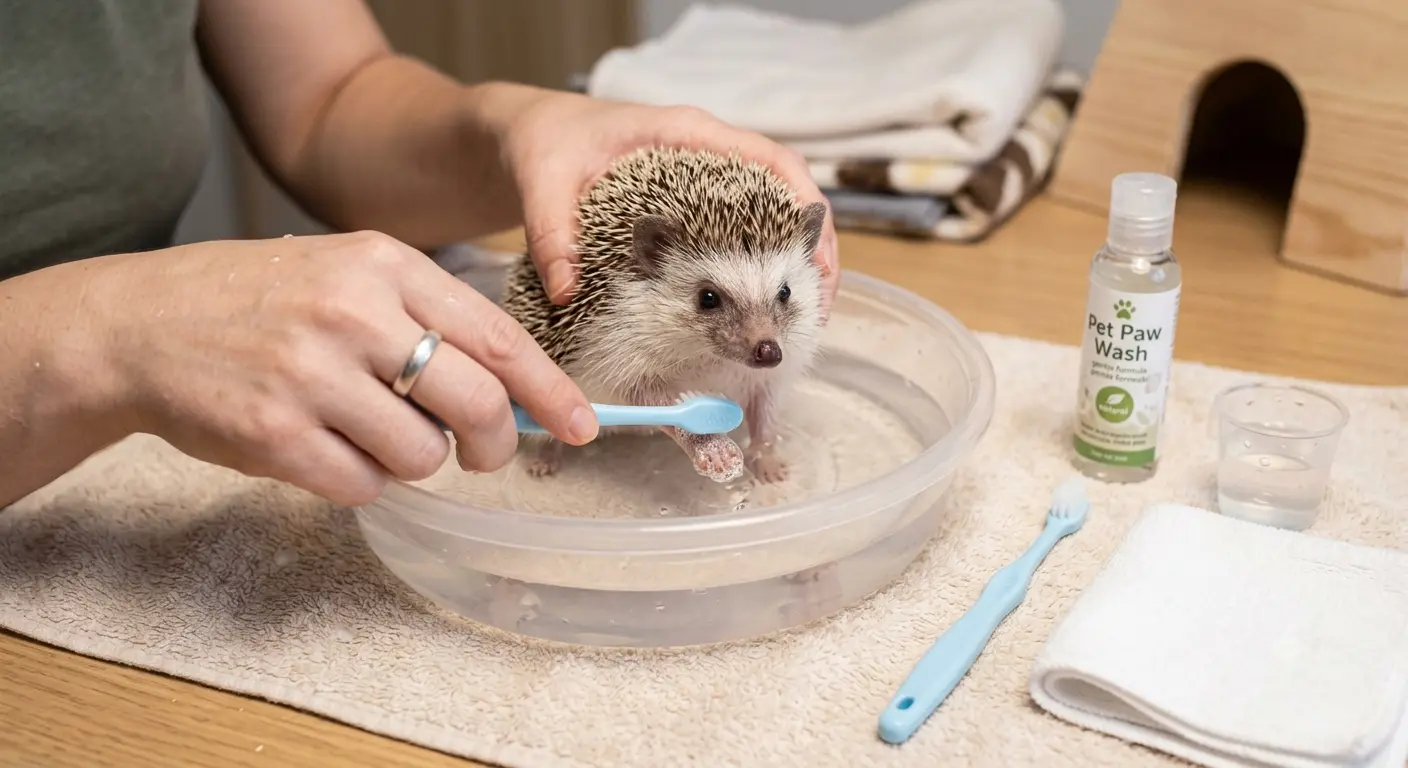
Fill a clean sink, plastic basin, or bathtub with warm water reaching no higher than your hedgehog’s ankles. The water temperature should feel comfortably warm to your inner wrist, around 98°F to 100°F (36°C – 37°C).
Place a small washcloth or silicone mat at the bottom of the basin. Hedgehogs panic when slipping on slick porcelain, and offering traction reduces their anxiety instantly during foot cleaning sessions.
2. Soak and Soften the Crusts
Gently lower your hedgehog into the shallow water, allowing their feet to submerge completely while keeping their body dry. Let them wade around in the shallow bath for 3 to 5 minutes to break down dried debris.
Never leave your pet unattended in water, even for a single second. Keep your hands nearby to offer support if your hedgehog attempts to climb out or panics in the shallow basin.
3. Perform a Gentle Foot Massage
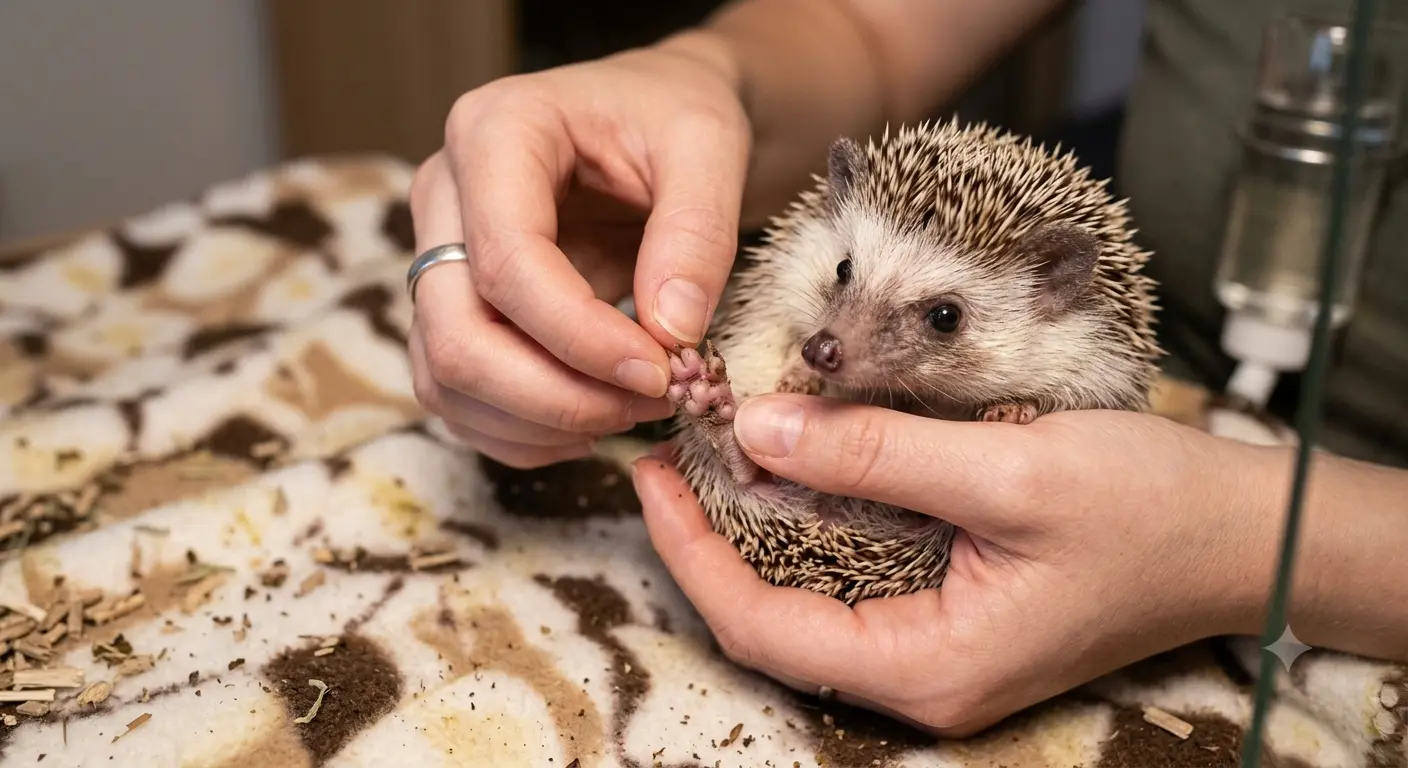
Once the water has softened the debris, lift one foot gently between your thumb and index finger. Extra care is essential when attempting to remove hedgehog poop boots from small feet, so gently roll the softened waste away using soft, sweeping movements toward toe tips.
For stubborn deposits lodged between toes, use a soft toothbrush or microfiber cloth soaked in warm water. Avoid pulling harshly; if a piece resists, allow it to soak for another two minutes rather than forcing it off.
If you want a deeper breakdown of healthy fecal consistency and digestive health markers, read our comprehensive hedgehog poop guide to ensure your pet’s internal health is optimal.
4. Dry Thoroughly and Inspect Skin
Lift your pet out of the bath and wrap them immediately in a warm, dry fleece towel. Pat their legs and belly dry completely, paying special attention to the spaces between their toes where moisture lingers.
Inspect the bare footpads under bright light for redness, cuts, swelling, or missing nails. Apply a tiny dab of pet-safe organic coconut oil to dry pads if skin looks irritated or flaky after washing.
Daily Foot Bath Routine vs. Full Body Baths
A major mistake new owners make is giving a full body bath every time their pet develops heavy waste on their paws. Full baths strip natural skin oils, causing severe dry skin, intense itching, and quill loss over time.
Establishing a foot bath routine effectively manages hedgehog poop boots without over-drying their quills or back skin. This targeted approach allows you to manage dirty feet daily without compromising skin health.
Keep your daily foot bath routine short, efficient, and low-stress. Rewarding your pet with a mealworm immediately after drying builds positive associations with paw cleaning over time.
Comparison of Wheel Surfaces for Waste Management
The type of exercise wheel you provide directly dictates how severely waste accumulates on your pet’s toes. Evaluating surface materials helps prevent heavy caking before it starts.
| Wheel Type | Waste Accumulation Risk | Safety Level | Cleaning Difficulty |
|---|---|---|---|
| Solid Plastic bucket wheel | High (Creates waste boots easily) | Very High (Zero toe catch risk) | Very Easy (Wipes down fast) |
| Treaded Bucket Wheel | Moderate (Channels waste slightly) | High (Good traction) | Moderate (Requires scrubbing) |
| Wire Mesh Wheel | Low (Waste drops through) | Extremely Dangerous (Breaks toes/claws) | Hard (Fecal matter sticks to wire) |
| Cork Track Wheel | Very High (Absorbs liquid waste) | Moderate (Soft on pads) | Extremely Hard (Sanitization issues) |
Preventative Measures: Keeping Paws Clean Long-Term
While you cannot train a hedgehog to stop defecating on their wheel, strategic habitat adjustments dramatically lower the occurrence of hedgehog poop boots overnight.
Clean the exercise wheel daily using a vinegar-water solution or pet-safe disinfectant wipes. Removing yesterday’s dried residue ensures your hedgehog isn’t running through old layers on top of fresh waste.
Place a tray lined with absorbent paper towels or litter directly underneath the wheel base. Many hedgehogs step off the wheel briefly to eliminate if an inviting litter surface sits directly below their exercise area.
Maintain proper enclosure temperature between 72°F and 80°F (22°C – 26°C). Cold temperatures slow down digestion, leading to irregular bowel movements and softer stools that stick aggressively to feet.
Ensure high-fiber insectivore kibble forms the backbone of their daily diet. Firm, well-formed droppings roll off running surfaces far more easily than sticky, low-quality commercial food waste.
A Keeper’s Real-World Discovery: Overcoming The Sticky Wheel Trap
When Barnaby first arrived at my rescue setup, I was entirely unprepared for the morning terror. His tiny legs looked as though he had walked through wet cement, completely encrusted in dark, hardened crusts. My initial instinct was total panic. I grabbed a pair of blunted tweezers and tried picking at the hard bits while he was rolled up tightly in a defensive ball, huffing furiously.
That initial attempt was a absolute disaster. He hissed, I accidentally pinched a hair near his ankle, and we both ended up exhausted and stressed out. The next night, I tried scrubbing his running track with heavy essential oil soap, hoping it would create a slick barrier. It did nothing except cause him to sneeze incessantly for hours.
The breakthrough happened quite by accident on a warm Tuesday evening. I dropped a warm, wet microfiber cloth inside his playpen while filling his water dish. Barnaby waddled directly over it, marching his dirty paws back and forth across the damp fabric for ten minutes straight. When I checked him later, the thick crusts had dissolved completely on their own without a single drop of soap or stressful scrubbing. Since that day, setting up a damp tray walk-way right beside his running area has eliminated eighty percent of our morning cleaning struggles entirely.
When to Consult an Exotic Veterinarian
In most instances, caked paws are a cosmetic and maintenance issue easily managed at home. However, if your pet frequently develops hedgehog poop boots despite regular wheel cleaning, or if you notice swollen toes, bleeding around nail beds, or foul-smelling discharge, schedule a vet visit immediately.
Antibiotic ointments or systemic medication may be required to treat deep bacterial infections caused by raw skin exposure. Never ignore open sores or persistent limping in small exotic mammals.
Persistent loose stools or watery diarrhea that constantly coats their feet signals underlying parasites, bacterial overgrowth, or systemic illness. Bring a fresh fecal sample to your exotic vet for analysis if stool consistency remains soft for more than 48 hours.
Frequently Asked Questions
Can I use baby wipes to clean dirty hedgehog paws?
Yes, but only if they are 100% unscented, alcohol-free, and hypoallergenic baby wipes or pet-specific wipes. Standard scented wipes contain chemical additives that irritate delicate hedgehog skin and cause toxic reactions if ingested during self-anointing.
How often should I give my hedgehog a foot bath?
You can perform a shallow foot bath as often as daily if your pet routinely builds up heavy waste on their feet. Because foot baths target only the legs, they do not dry out skin like full body baths do.
Why is my hedgehog’s poop sticky and greenish?
Green, sticky waste usually indicates stress, rapid gut transit time, or sudden diet changes. If green soft stools persist for longer than two days, consult your exotic veterinarian to rule out intestinal parasites or bacterial infections.
Is it safe to use soap during daily foot cleanses?
No, avoid using soap during daily cleanses. Warm water alone is usually sufficient to dissolve dried waste. If soap is needed for severe grime, use only a few drops of ultra-mild, fragrance-free baby wash or oats-based pet shampoo once a week.
Final Thoughts on Paw Hygiene
Managing waste build-up is simply an inescapable part of sharing your home with an active nocturnal insectivore. While seeing caked feet every morning can feel frustrating initially, proper management of hedgehog poop boots keeps your pet healthy and active.
By pairing daily wheel sanitation with gentle soaking methods and optimal diet choices, you ensure your prickly friend stays healthy, active, and comfortable night after night. Never pick dry crusts forcibly, keep water shallow, and always celebrate clean paws with a delicious mealworm treat.