
Is your scaly companion’s bathroom schedule keeping you up at night with endless anxiety? Reptile ownership brings unique rewards, but tracking digestive health can quickly become a stressful guessing game for dedicated keepers.
Generally, baby bearded dragons poop 1 to 3 times per day, juveniles go once every 1 to 2 days, and healthy adult bearded dragons defecate anywhere from 1 to 7 times per week depending on their diet and age.
Read on to master the exact breakdown by life stage, uncover seasonal shifts like brumation, and discover red flag symptoms that demand an urgent veterinary visit!
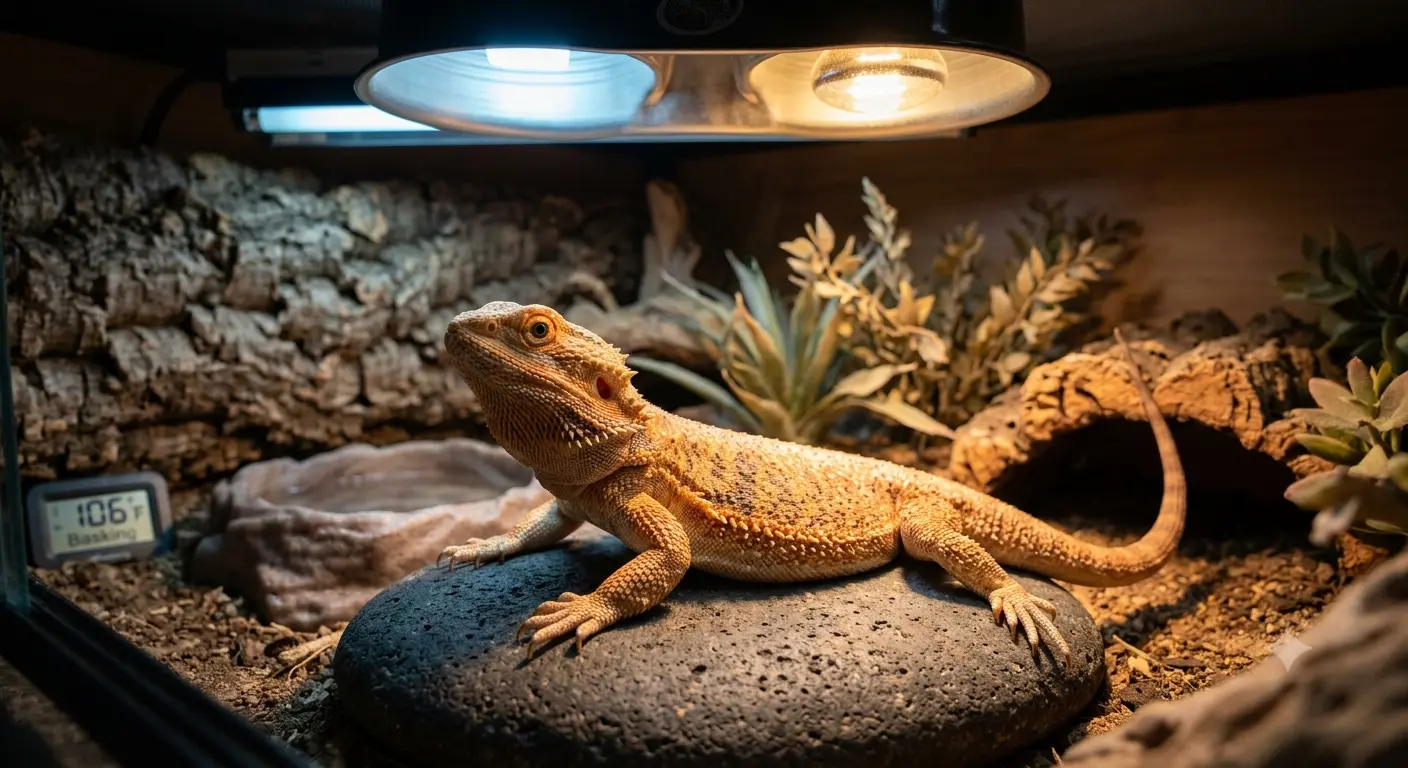
Understanding How Often Do Bearded Dragons Poop Across Life Stages
Understanding bathroom frequency requires analyzing metabolism, growth velocity, and daily dietary intake. Young reptiles process calories rapidly to support muscular and skeletal development, resulting in frequent waste elimination.
Conversely, mature reptiles maintain stable body weights and burn energy at a measured pace. Consequently, digestive transit times stretch significantly as your pet transitions from a hungry hatchling into a lazy adult occupant.
Baby Bearded Dragons (0 to 6 Months)
Hatchlings experience extremely rapid metabolic rates combined with high-protein feeder diets. These little carnivores feast on tiny crickets and dubia roaches multiple times daily to fuel substantial growth spurts.
Because their bodies process food rapidly, baby bearded dragon poop daily schedules usually range from 1 to 3 times every single day. Missing even two consecutive days warrants closer habitat inspection.
Juvenile Bearded Dragons (6 to 18 Months)
As juveniles mature, their dietary balance shifts from strictly insect-heavy prey toward fresh leafy greens and vegetables. Growth begins to stabilize, slowing down internal gastrointestinal motility naturally.
A juvenile typically eliminates waste once every 1 to 2 days. Maintaining proper basking temperatures during this transitional growth phase remains crucial for optimal digestive breakdown.
Adult Bearded Dragons (18+ Months)
Fully grown adults consume a high-fiber, plant-based diet consisting of 80% greens and only 20% feeder insects. Fiber takes longer to decompose within the gut structure compared to soft feeder insects.
Therefore, healthy adult bowel movement schedules vary from daily to once or twice weekly. Understanding how often do bearded dragons poop at this stage helps owners distinguish normal routines from constipation.
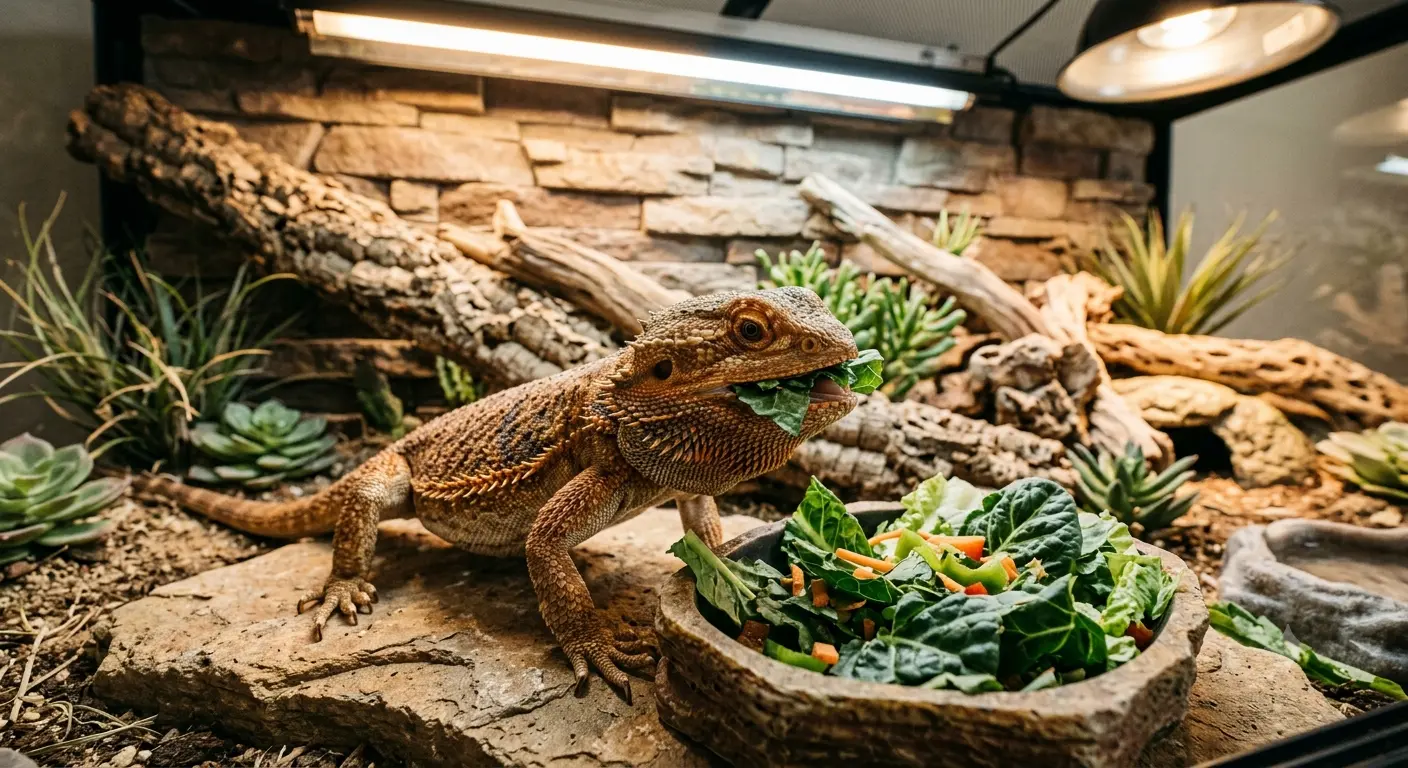
Overview of Poop Frequency by Age and Diet
To help visualize these shifting schedules, review this quick matrix comparing age groups, primary dietary requirements, and expected bowel movement frequencies under ideal husbandry setups.
| Life Stage | Primary Diet Composition | Expected Poop Frequency |
|---|---|---|
| Hatchling / Baby (0-6 mos) | 80% Live Insects / 20% Greens | 1 – 3 times per day |
| Juvenile (6-18 mos) | 50% Live Insects / 50% Greens | Once every 1 – 2 days |
| Adult (18+ mos) | 20% Live Insects / 80% Greens | 1 – 7 times per week |
The Impact of Brumation and Seasons on Digestion
Seasonal shifts trigger innate biological responses inside captive reptiles. During autumn and winter, declining sunlight hours and ambient temperature drops encourage a natural, semi-dormant state known as brumation.
Brumation causes an extreme seasonal metabolic slowdown throughout the digestive tract. Gastrointestinal transit time stretches dramatically as your pet conserves critical energy reserves over several weeks or months.
Before entering full brumation, a reptile must clear all remaining food material from its stomach. Undigested food decaying inside an inactive gut leads to severe, life-threatening bacterial infections.
Consequently, zero bowel movements during active brumation is completely normal. Do not force feed a brumating pet, but always supply clean drinking water nearby to prevent dehydration.
Key Factors Affecting How Often Do Bearded Dragons Poop
Beyond age and seasonal brumation, several environmental and physical factors dictate internal gastrointestinal speed. Fine-tuning these parameters keeps digestive health running smoothly day after day.
- Basking Temperatures: Reptiles rely on external thermoregulation to produce digestive enzymes. Cold basking spots lead directly to sluggish gut transit times.
- Hydration Levels: Dehydration hardens waste material, creating painful blockages inside the lower intestine and colon.
- Dietary Fiber and Shells: Feeder insects with tough chitin exoskeletons, like mealworms, are difficult to digest if fed in excess.
- Stress and Environment: Moving to a new enclosure or high-traffic room can temporarily stall elimination due to elevated cortisol.
To dive deeper into identifying healthy colors, textures, and parasite indicators, check out our comprehensive bearded dragon poop guide for expert diagnostic tips.
Safe Threshold Limits: How Long Can a Bearded Dragon Go Without Pooping?
Caregivers frequently ask: how long can a bearded dragon go without pooping before it becomes a true medical emergency? The answer depends heavily on your pet’s age, baseline diet, and overall activity.
For a baby, going 3 consecutive days without eliminating waste is abnormal and requires immediate attention. Their high insect intake quickly creates severe impaction risks if digestive motility stops.
For an adult, passing 7 to 10 days without a bowel movement enters a risky territory, assuming the animal is not currently in verified winter brumation.
If two weeks pass with zero activity, consult a specialized exotic veterinarian immediately. According to health resources from the Association of Reptile and Amphibian Veterinarians (ARAV), severe intestinal impaction requires professional intervention to prevent permanent gut tissue damage.
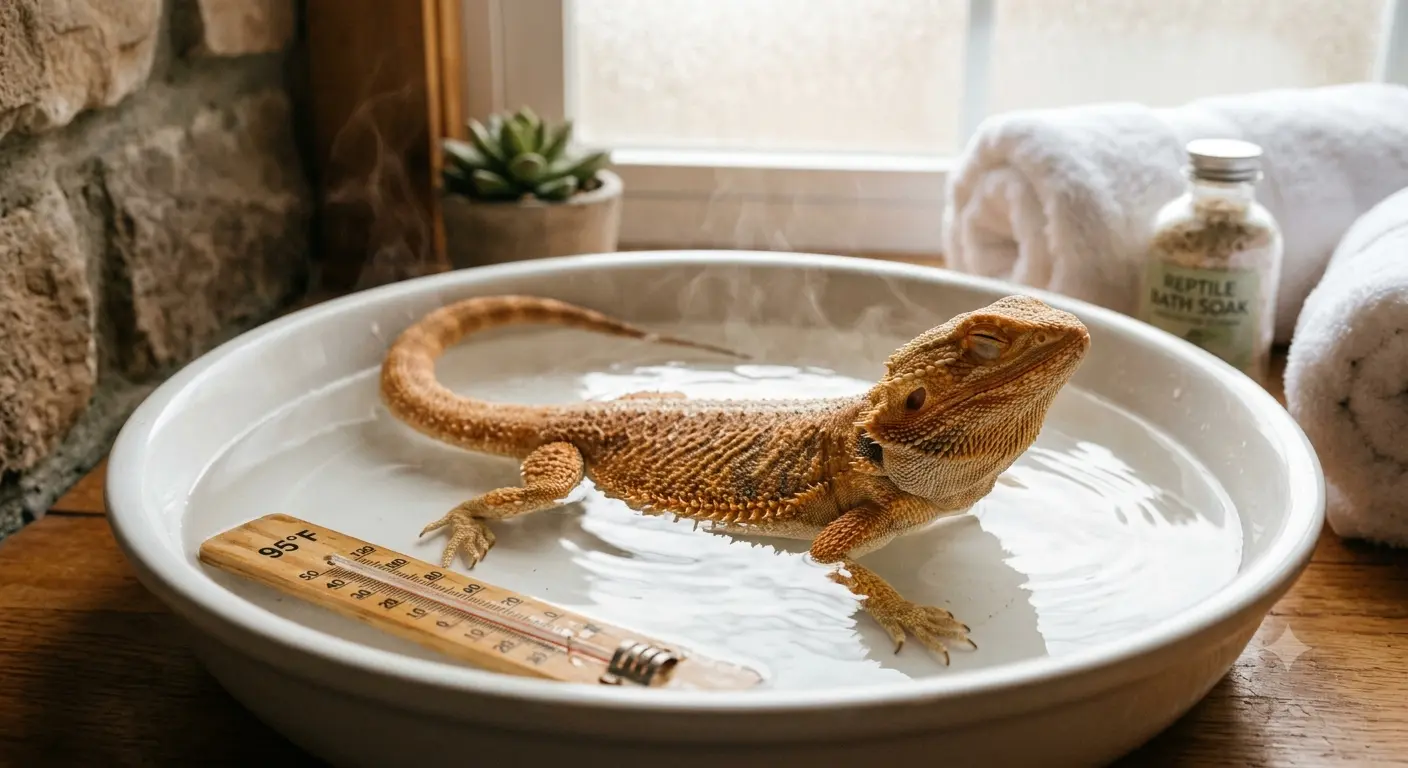
A Keeper’s Journey: Solving Iggy’s Unexpected Digestive Stagnation
It was a crisp Tuesday evening when I realized something was completely off with Iggy, my two-year-old central rescue. He usually strutted around his enclosure right after breakfast, yet he had remained sprawled listlessly on his driftwood perch for four straight days without leaving a single spot to clean up.
I panicked. Naturally, I rushed to try every generic tip I read online, immediately offering him large mouthfuls of unsweetened applesauce mixed with olive oil. That turned out to be a messy, stressful mistake that only upset his stomach further and left sticky residue all over his throat scales.
Frustrated and worried sick, I sat beside his terrarium racking my brain until I double-checked his husbandry setup with a digital probe. The basking surface had dropped six degrees because the fixture slid slightly backward! I repositioned the lamp, gave him a gentle 15-minute lukewarm bath while massaging his left flank, and within two hours, nature took its course smoothly.
Home Remedies for Mild Constipation
If your pet appears slightly sluggish or missed their regular schedule by a few days, try these safe, non-invasive home remedies before booking expensive clinic visits.
Safe Steps for Constipation Relief:
- Warm Soaking Bath: Prepare shallow water at 95°F to 100°F (35°C to 37°C) reaching shoulder level. Allow your pet to soak for 15 to 20 minutes while gently massaging their left abdomen downward.
- Natural Laxatives: Offer a few drops of 100% pure canned pumpkin puree (no spices) or 100% pure unflavored prune puree using a blunt plastic syringe.
- Hydration Boost: Drop clean water directly onto their snout using a pipette to encourage active licking and internal hydration.
- Verify Basking Temps: Ensure your surface heat measures 100°F to 108°F (38°C to 42°C) for adults using a reliable digital infrared temperature gun.
Frequently Asked Questions About Bearded Dragon Poop
Why does my bearded dragon only poop in the bath?
Warm water relaxes abdominal muscles and stimulates intestinal peristalsis. Additionally, soak sessions encourage hydration, making waste passage easier and creating a behavioral habit over time.
What should healthy bearded dragon waste look like?
Healthy waste consists of two distinct parts: a firm, dark brown or black log-shaped fecal portion, accompanied by a soft, bright white urate cap containing synthesized nitrogenous waste.
Is runny or watery poop cause for concern?
Occasional watery droppings occur after eating high-moisture foods like cucumber or watermelon. However, persistent diarrhea lasting over three days signals potential intestinal parasites or bacterial overgrowth.
Why is my bearded dragon’s urate yellow or orange instead of white?
Yellow or orange urates indicate mild to moderate dehydration, or excessive calcium supplementation. Boost water intake immediately through hornworms, leaf misting, or warm soak sessions.
Final Thoughts on Monitoring Your Pet’s Digestive Health
Keeping close tabs on how often do bearded dragons poop is one of the simplest, most effective ways to gauge your reptile’s internal health. By matching expectations to age, diet, and seasonal cycles, you can spot minor husbandy issues before they spiral into severe medical emergencies.
Always maintain proper basking temperatures, provide balanced nutrition rich in fresh greens, and never hesitate to contact a qualified exotic veterinarian if your pet shows signs of distress, lethargy, or prolonged impaction.