
As a devoted reptile keeper, few experiences trigger immediate panic quite like opening your pet’s enclosure to uncover a foul, runny, and completely uncharacteristic mess. Maintaining optimal health requires constant monitoring of digestive output.
Abnormal waste characteristics—such as an overpowering pungent odor, excessive mucus trails, watery diarrhea, or unformed stool—are key signals that your pet may be suffering from bearded dragon parasites. These microscopic invaders disrupt gut flora, compromise nutrient absorption, and require immediate veterinary diagnostics.
Read on to uncover the distinct visual warning signs of internal blooms, learn how to differentiate temporary dietary variance from pathogenic infections, and discover exact step-by-step instructions for submitting fresh samples to an exotic vet.
Recognizing the Visual Warning Signs of Bearded Dragon Parasites
A healthy reptile produces well-formed, dark brown fecal logs paired with a firm white or off-white urate cap. The baseline odor should be mild and localized to the immediate vicinity of the deposit.
When microscopic organisms bloom out of control, the physical nature of the waste changes dramatically. Recognizing these red flags early prevents severe dehydration, metabolic collapse, and chronic weight loss in your captive reptile.
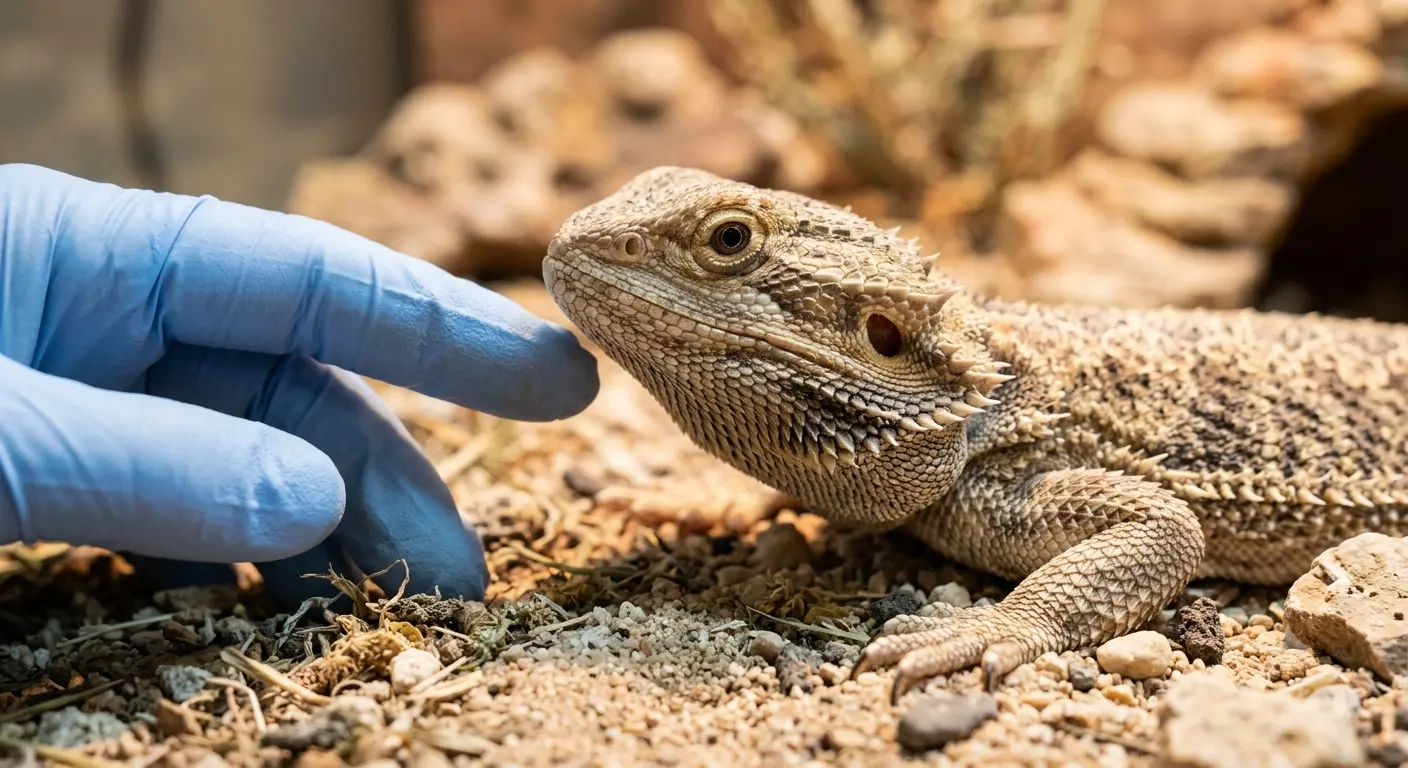
While temporary stress can alter digestion, persistent foul-smelling waste strongly points toward an active infestation of bearded dragon parasites in the gastrointestinal tract.
Pungent and Foul Odor
Standard droppings have an earthy, mild scent that dissipates quickly once cleaned. Parasitic infections produce an unmistakable, sickly sweet or deeply foul stench that fills the entire room within minutes.
This pungent aroma stems from rapid fermentation of undigested proteins and lipids caused by gut flora destruction. If cleaning the vivarium makes you gag from across the room, an internal overload is highly probable.
Excessive Mucus and Slime Coatings
Healthy droppings feature a clean outer membrane without sticky residue. Infected reptiles frequently pass stool encased in thick, clear, yellow, or greenish mucus trails.
This excess slime represents sloughed intestinal lining triggered by acute localized inflammation. Protozoan activity strips the protective gut barrier, forcing the digestive tract to excrete excessive protective mucus into the waste channel.
Loose Consistency and Runny Diarrhea
Firm, structured stool allows reptiles to retain critical moisture within their cloaca before excretion. Parasite-laden droppings lose all structural integrity, appearing as puddle-like runny messes or liquid diarrhea.
When internal organisms multiply rapidly, they irritate the mucosal wall, speeding up transit time. This hyper-motility prevents proper water reabsorption, leaving your pet vulnerable to rapid and life-threatening dehydration.
Coccidia and Other Common Bearded Dragon Parasites
Microscopic organisms live naturally in low quantities within most captive reptiles without causing overt harm. However, environmental stressors, inadequate basking temperatures, or poor sanitation allow these organisms to explode into symptomatic blooms.
When single-celled protozoa overwhelm the gut lining, the resulting damage from bearded dragon parasites causes severe inflammation, nutrient malabsorption, and rapid dehydration.
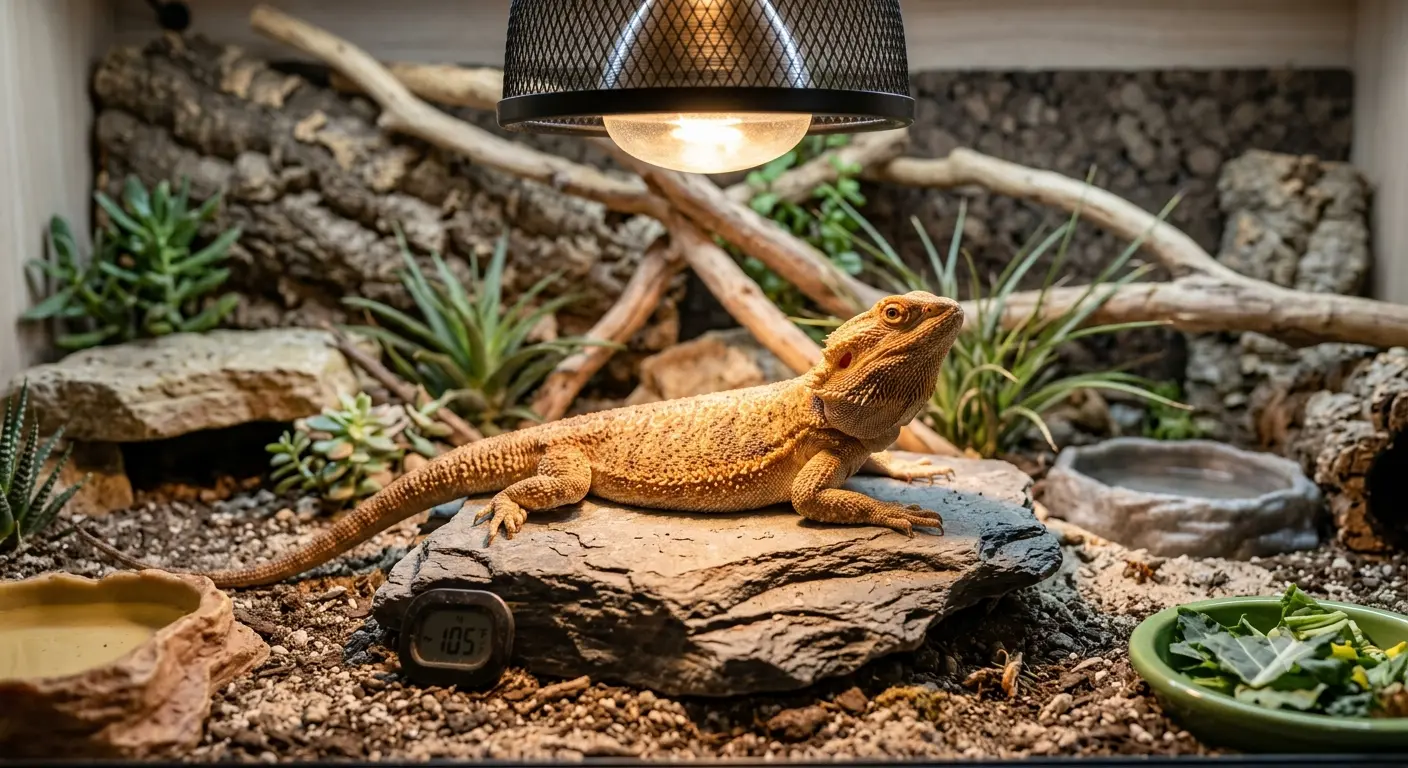
Understanding Coccidia Infections
Among all internal threats, Isospora amphiboluri (commonly known as Coccidia) represents the most destructive protozoan threat in captive bearded dragon colonies.
Identifying specific coccidia bearded dragon poop characteristics involves watching for watery, mucoid droppings often accompanied by flecks of dark red blood or completely undigested insect shells. Affected dragons display severe lethargy, darkened stress colors, and sunken eyes.
Coccidia oocysts are incredibly resilient in the environment, easily re-infecting reptiles through accidental ingestion of contaminated substrate or feeder insects. Rapid diagnosis via microscopic fecal floatation is mandatory to stop gut perforation.
Pinworms and Flagellates
Pinworms (Oxyurids) are microscopic nematodes commonly detected during routine veterinary screening. Small numbers are generally tolerated, but heavy loads trigger severe abdominal bloating, rectal prolapse, and appetite loss.
Flagellates such as Trichomonas and Hexamita disrupt lower intestinal microbial balance. They cause persistent chronic diarrhea, unformed soft stools, and progressive muscle wasting despite continuous heavy feeding.
Normal Waste vs. Parasitic Waste vs. Dietary Variance
Not every loose dropping signifies a medical emergency. Reptiles fed high-water foods like hornworms, cucumber, or excess dandelion greens may temporarily pass watery stools filled with surplus fluids.
Differentiating between harmless dietary variance and harmful bearded dragon parasites is vital for avoiding unnecessary panic while ensuring timely veterinary intervention.
To better understand baseline droppings, review our comprehensive bearded dragon poop guide, which breaks down healthy digestion patterns, normal urate colors, and routine dietary adjustments.
Gastrointestinal Waste Comparison Matrix
| Waste Parameter | Healthy Baseline Stool | Dietary / Hydration Variance | Active Parasitic Infection |
|---|---|---|---|
| Consistency | Firm, log-shaped, uniform structure | Soft or loose, surrounded by clear water | Watery diarrhea, amorphous, puddle-like |
| Odor Profile | Mild, natural earthy scent | Standard, mild odor | Extremely foul, pungent, nauseating |
| Mucus & Content | Clean surface, fully digested bugs | May contain fibrous vegetable bits | Thick slime coating, mucus trails, blood |
| Urate Appearance | Firm, bright white to cream cap | Soft white cap with clear liquid excess | Chalky, yellow, gritty, or completely absent |
| Reptile Behavior | Alert, bright eyes, strong appetite | Active, normal basking behavior | Lethargic, dark beard, hiding, anorexia |
A Keeper’s Journal: Facing an Unexpected Health Crisis
Last October, my three-year-old central bearded dragon, Iggy, suddenly stopped coming to his basking platform on a chilly Tuesday morning. Normally, he would scratch at his enclosure glass demanding his morning dubia roaches, but that morning he stayed huddled in his cool hideout, looking strangely dark and deflated.
When I lifted his resin log, I gasped. Right beside him was a horrific, runny pile surrounded by a thick yellowish slime that smelled like rotting fish. My initial thought was simple dietary confusion—I had fed him a few extra hornworms two days prior, so I assumed his gut was just overhydrated. I spent three anxious days trying home remedies, offering organic pumpkin puree and giving warm shallow baths, hoping he would firm up naturally.
He didn’t. Instead, Iggy grew more sluggish by Friday afternoon, refusing even his favorite blueberries. I realized my mistake: guessing games and home remedies were completely useless against microscopic pathogens. I scooped a fresh dropping onto a clean plastic utensil, sealed it in a sterile baggie, and hurried down to Dr. Lawson’s exotic animal clinic.
Ten minutes after running a direct slide stain under the microscope, Dr. Lawson showed me the screen filled with hundreds of microscopic oval oocysts. Seeing those organisms multiplying on camera was a sobering reality check. After ten days of targeted liquid medication, daily steam cleaning of his tile floor, and temporary paper towel bedding, Iggy’s appetite returned with a vengeance. That stressful week taught me a permanent lesson: never ignore bad smells or delay a proper lab test when waste consistency suddenly breaks down.
Step-by-Step Guide to Collecting and Submitting Fecal Samples
Accurate lab testing relies entirely on the quality and freshness of the waste sample provided to your veterinary clinician. Dried out or contaminated samples yield false negatives under microscopic examination.
To successfully eradicate bearded dragon parasites, your exotic veterinarian will need a clean, fresh fecal sample to run both a direct smear and a flotation test.
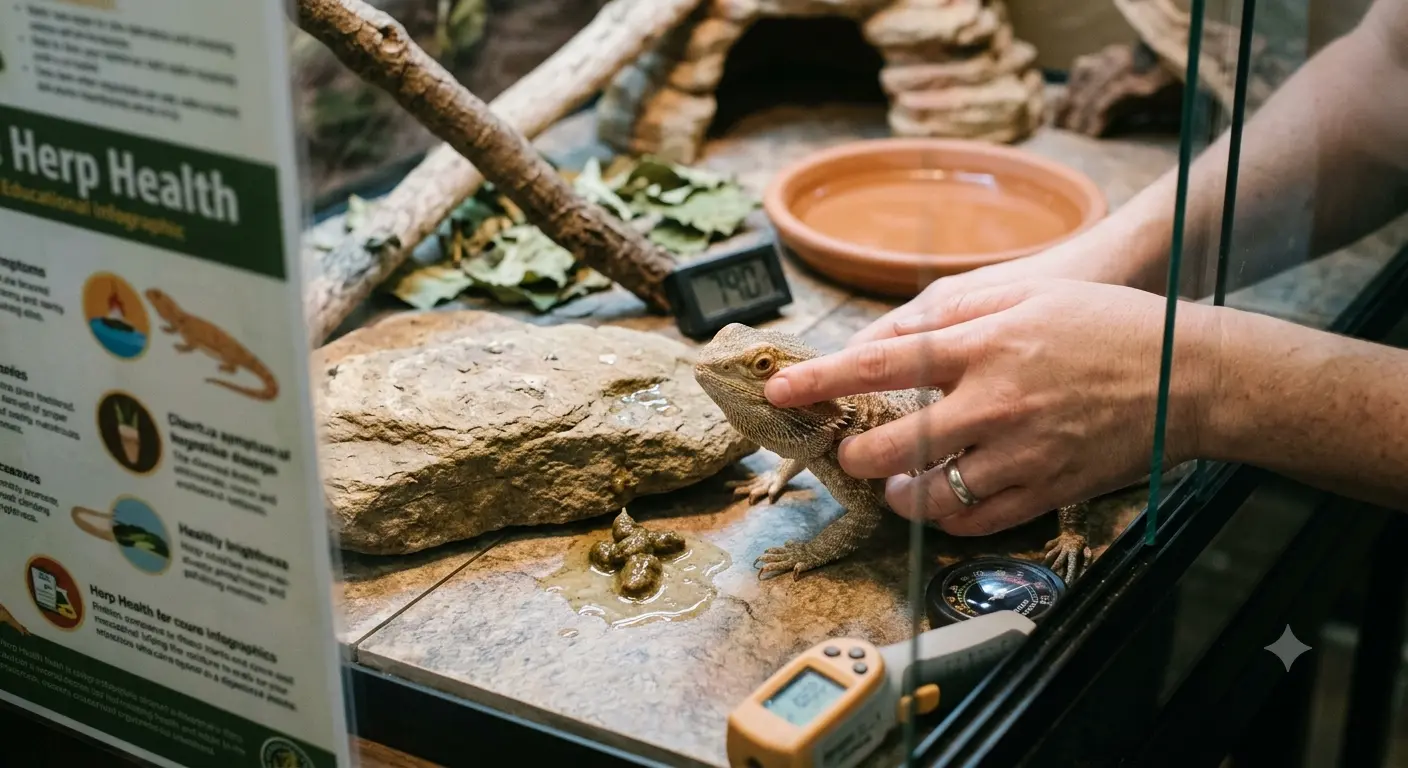
Step 1: Timing and Freshness
Collect droppings immediately after they are passed. The sample must ideally reach the veterinary clinic within 2 to 4 hours to ensure protozoan trophozoites remain alive and visible under magnification.
Step 2: Clean Collection Technique
Use a clean plastic spoon, wood tongue depressor, or brand-new pair of tweezers to lift the sample. Avoid scooping up loose substrate like sand, walnut shells, or coconut coir, as debris distorts microscope focus.
Step 3: Proper Packaging and Storage
Place the collected sample into a clean, airtight container or a leak-proof ziplock bag. Add 2 to 3 drops of clean water or sterile saline solution into the corner of the bag to keep the sample moist during transit.
If you cannot drive to the clinic immediately, store the sealed container inside your domestic refrigerator at 38–40°F (3–4°C) for up to 12 hours. Never freeze the sample, as ice crystals rupture microscopic eggs and cysts beyond recognition.
Step 4: Professional Lab Analysis
Deliver the sample to a qualified exotic specialist. Always consult certified directories like the Association of Reptilian and Amphibian Veterinarians (ARAV) to locate experienced reptile clinicians near your location.
Veterinary Medical Treatments and Sanitization Protocols
Once your veterinarian identifies the exact organism under the microscope, they will prescribe targeted oral medications tailored specifically to your reptile’s precise body weight.
Common medications include Ponazuril or Albon for protozoan overloads, and Fenbendazole (Panacur) for intestinal worm infestations. Never administer over-the-counter dewormers, as incorrect dosages induce acute liver and kidney failure.
Deep cleaning the vivarium is just as critical as medication when eliminating bearded dragon parasites from your pet’s environment.
Strict Enclosure Sanitization Rules
- Remove Porous Furnishings: Immediately strip out wood branches, cork bark, and natural rock hides. These porous materials trap microscopic eggs in tiny crevices and cannot be fully disinfected.
- Switch to Temporary Substrate: Replace natural substrates with plain paper towels or butcher paper during treatment. Change paper daily whenever droppings occur.
- Apply High-Heat Steam Cleaning: Microscopic oocysts withstand standard household bleach. Use a commercial steam cleaner generating temperatures above 165°F (74°C) to destroy heat-sensitive cysts on glass and non-porous surfaces.
- Disinfect with Specialized Compounds: Clean non-porous hides using veterinary-grade disinfectants such as F10SC or a diluted 10% ammonia solution. Allow 20 minutes of contact time before thorough rinsing.
Preventative Practices to Avoid Bearded Dragon Parasites
Preventing internal blooms requires rigorous environmental control, high-grade dietary hygiene, and strict quarantine protocols for new additions.
By staying vigilant about waste consistency, practicing proper husbandry, and seeking prompt veterinary testing at the first sign of trouble, you can protect your reptile from the debilitating effects of bearded dragon parasites.
- Quarantine New Arrivals: Keep new reptiles in a separate room on paper towel substrate for at least 60 to 90 days until two consecutive fecal float tests come back negative.
- Sanitize Live Feeders: Purchase feeder insects exclusively from reputable commercial breeders. Never feed wild-caught insects from gardens or yards, as they harbor dangerous parasite loads and pesticide residues.
- Maintain Basking Surface Temperatures: Ensure your basking zone reaches 100–108°F (38–42°C). High body temperatures fuel the reptile’s immune system and optimize gut enzymes to suppress microbial surges naturally.
- Schedule Annual Fecal Exams: Submit a routine fecal sample to your exotic vet every 6 to 12 months during annual checkups, even if your pet appears completely healthy.
Frequently Asked Questions (FAQs)
A: Perform a veterinary fecal examination at least once a year during routine health exams. Additionally, always schedule a test immediately after brumation, during quarantine periods for new pets, or whenever waste consistency changes suddenly.
A: Most reptile-specific organisms like Isospora amphiboluri and pinworms are species-specific and cannot infect human intestinal tracts. However, reptiles carry Salmonella bacteria, making strict hand hygiene with warm water and soap mandatory after handling.
A: No. While healthy adults tolerate low baseline levels, a full-blown symptomatic bloom causes progressive intestinal sloughing, severe dehydration, and eventual organ failure without targeted veterinary prescriptions.
A: Environmental stress is the primary catalyst. Sub-optimal basking temperatures, poor lighting, incorrect humidity, dirty water dishes, and unhygienic substrate suppress the immune system, allowing latent organisms to multiply rapidly.