
As a dedicated reptile owner, you always want to provide the absolute best nutrition for your scaled companion. When it comes to diversifying their salad bowls with fresh fruits, one of the most common questions raised by enthusiasts is: can Bearded Dragons Eat Bananas safely?
The short answer is yes, Bearded Dragons Eat Bananas, but this sugary yellow fruit must only be offered in strict moderation. While they offer some distinct nutritional value, they also contain certain elements that can become deeply harmful if fed too frequently to captive reptiles.
To help improve your site’s ranking and provide the best advice for the 95 new users visiting your blog, let’s dive into the details. Understanding how Bearded Dragons Eat Bananas enables owners to satisfy their pets’ sweet cravings without compromising structural skeletal health over time.
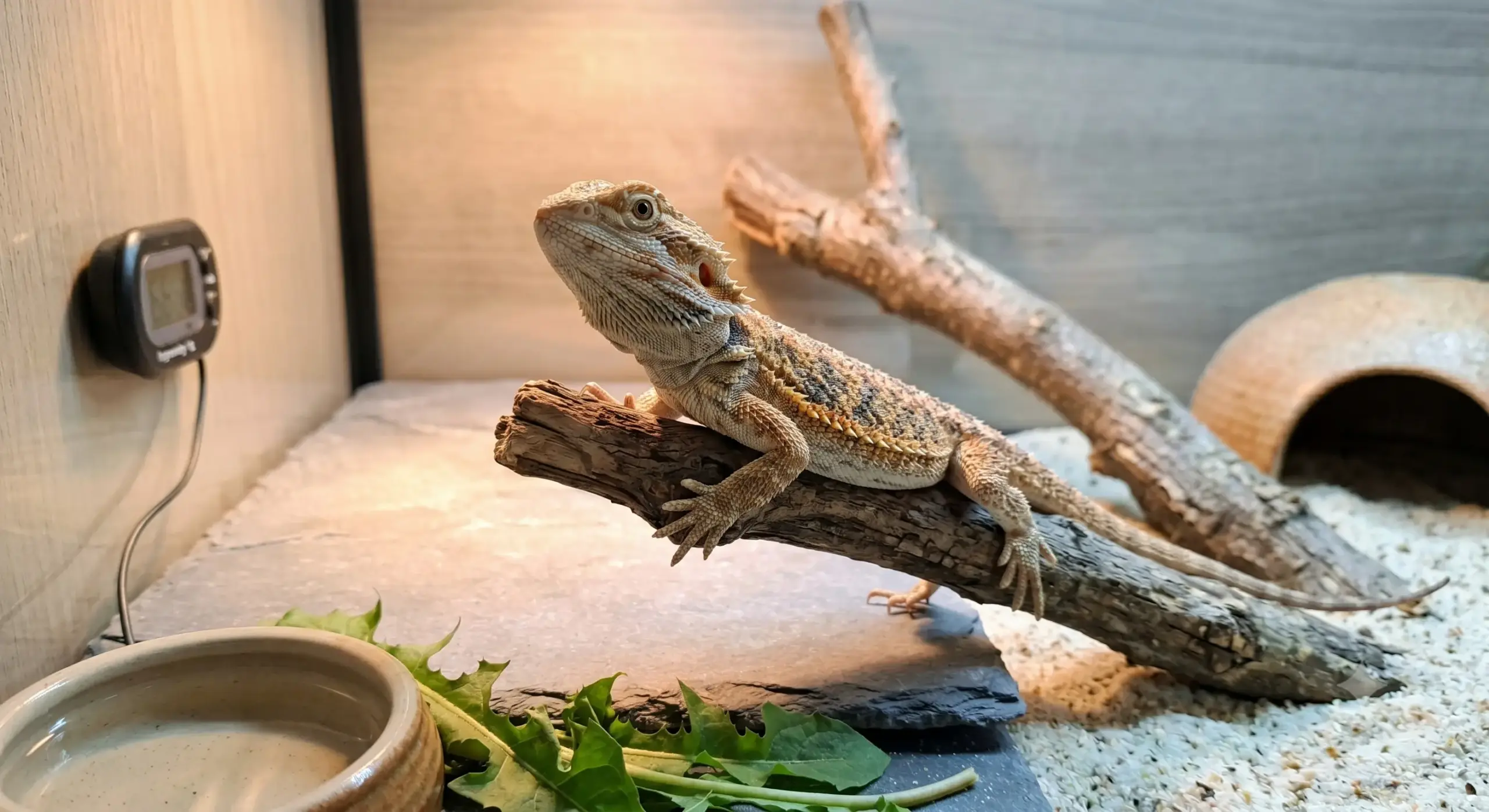
1. Nutritional Benefits of Bananas for Bearded Dragons
Bananas are not just a soft, tasty treat for domestic lizards; they provide several essential vitamins and minerals necessary for daily homeostasis. When Bearded Dragons Eat Bananas in highly regulated amounts, their bodies absorb specific organic compounds that support basic metabolic functions.
These vital elements help sustain different internal processes, ensuring your pet remains active within its enclosure:
- Potassium: This mineral actively helps regulate systemic blood pressure and supports optimal muscular function throughout the body.
- Vitamin C: Boosts the baseline immune system and effectively promotes healthy, vibrant skin rejuvenation during natural shedding cycles.
- Vitamin A: An essential organic compound required for maintaining sharp vision and supporting continuous cellular growth.
- Fiber: Aids significantly in daily digestion, though introducing too much can easily have the exact opposite effect on a reptile.
While these positive components are undeniable, they must always be balanced against the severe underlying physiological risks. Let us examine why this popular fruit can never become a staple food source for your scaled companion.
2. The Risks: Why Bananas are Only a “Treat”
Despite the clear cellular benefits, bananas carry profound long-term health risks that every educated owner must actively memorize. This critical understanding is crucial for maintaining the academic authority of your pet care content and protecting young lizards from preventable injury.
When domestic Bearded Dragons Eat Bananas daily, their delicate blood chemistry faces immediate imbalances that disrupt bone density processes.
The Dangerous Phosphorus-to-Calcium Ratio
Reptiles require a specialized daily diet that remains extraordinarily high in calcium to prevent systemic skeletal collapse. Unfortunately, bananas contain highly problematic levels of natural phosphorus, which actively binds directly to calcium molecules within the digestive tract and completely prevents them from being absorbed into the bloodstream.
Over time, allowing a lifestyle where Bearded Dragons Eat Bananas constantly leads straight to Metabolic Bone Disease (MBD), a painful, disfiguring, and often fatal condition.
High Organic Sugar Content
These yellow fruits are heavily packed with highly concentrated natural sugars. While humans love this sweetness, a reptile’s primitive digestive system is not evolutionary designed to process high sugar loads, leading to rapid bacterial fermentation inside their gut.
Excessive long-term sugar consumption among domestic lizards regularly causes:
- Obesity: A widespread, highly dangerous metabolic problem frequently observed in captive reptiles with limited physical space.
- Tooth Decay: Soft, sugary fruits leave sticky residues on small teeth, causing severe dental rot and agonizing oral infections.
3. The Human Experience: A Lesson in Reptile Devotion
I remember watching my old lizard, a beautiful citrus morph, sample his very first slice of banana. He went absolutely wild for it. The sheer speed of his tongue flicking out to grab that sweet mush made me smile, and for a split second, I wanted to give him the whole thing. It felt like natural affection. Giving a pet what they crave feels like love in the moment. But true care is quiet restraint.
It takes real patience to look into those ancient, unblinking eyes and say no for their own good. I spent hours reading old clinical sheets because I was terrified of making a mistake that could hurt his bones. Seeing him climb his rocks years later, strong and completely free of tremors, proved that stubborn consistency matters. Our scaled friends depend entirely on our choices; keeping them safe means prioritizing science over their temporary excitement.
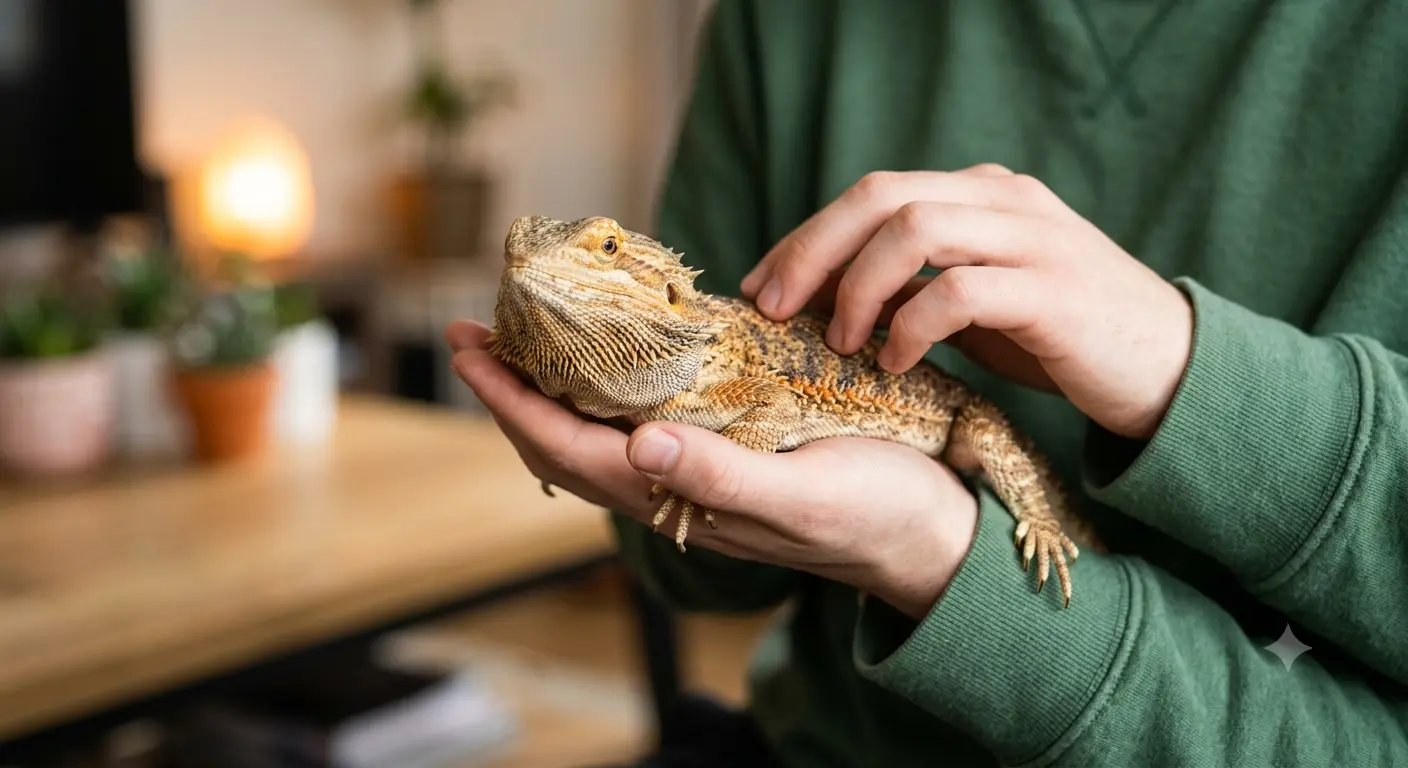
4. Detailed Comparison: Bananas vs. Other Fruits
To understand precisely why Bearded Dragons Eat Bananas only as a rare luxury, let’s compare their internal nutritional profile directly against other popular fruits. This analytical data helps you make superior choices for your lizard’s long-term skeletal health.
| Fruit Type | Sugar Content | Calcium-to-Phosphorus Ratio | Recommended Feeding Frequency |
|---|---|---|---|
| Banana | High | 1:3 (Extremely Poor) | Strictly once a month maximum |
| Papaya | Moderate | 4.8:1 (Excellent) | Can be offered weekly |
| Raspberries | Low | 1:1.5 (Fair) | Occasional treat choice |
| Apples | Moderate | 1:1 (Good) | Occasional slice permitted |
As clearly illustrated above, the inverted ratio found within bananas makes them an extreme outlier for regular feeding protocols. Ensuring that Bearded Dragons Eat Bananas only within these parameters safeguards their blood calcium reserves from depletion.
5. Can Bearded Dragons Eat Banana Peels?
Surprisingly, yes! The tough outer peel is actually far more nutritious than the soft inner fruit flesh itself for an adult lizard. The skin contains significantly higher levels of crude plant fiber and drastically less concentrated sugar, making it an excellent addition to their salad bowls.
However, you must always follow these two mandatory safety steps before serving any peels to your pet:
- Remove Pesticides: Always wash the outer skin thoroughly under scrubbing water to eliminate toxic agricultural chemical residues.
- Choking Prevention: Cut the fibrous peel into exceptionally small, bite-sized pieces that are easy for their jaw to crush.
If you prefer a highly conservative approach, you can skip the peel entirely to completely eliminate any anxieties regarding chemical contamination. For more advanced veterinary insights regarding reptile health safety, you can explore the official guidelines published by the globally recognized Association of Reptile and Amphibian Veterinarians (ARAV).
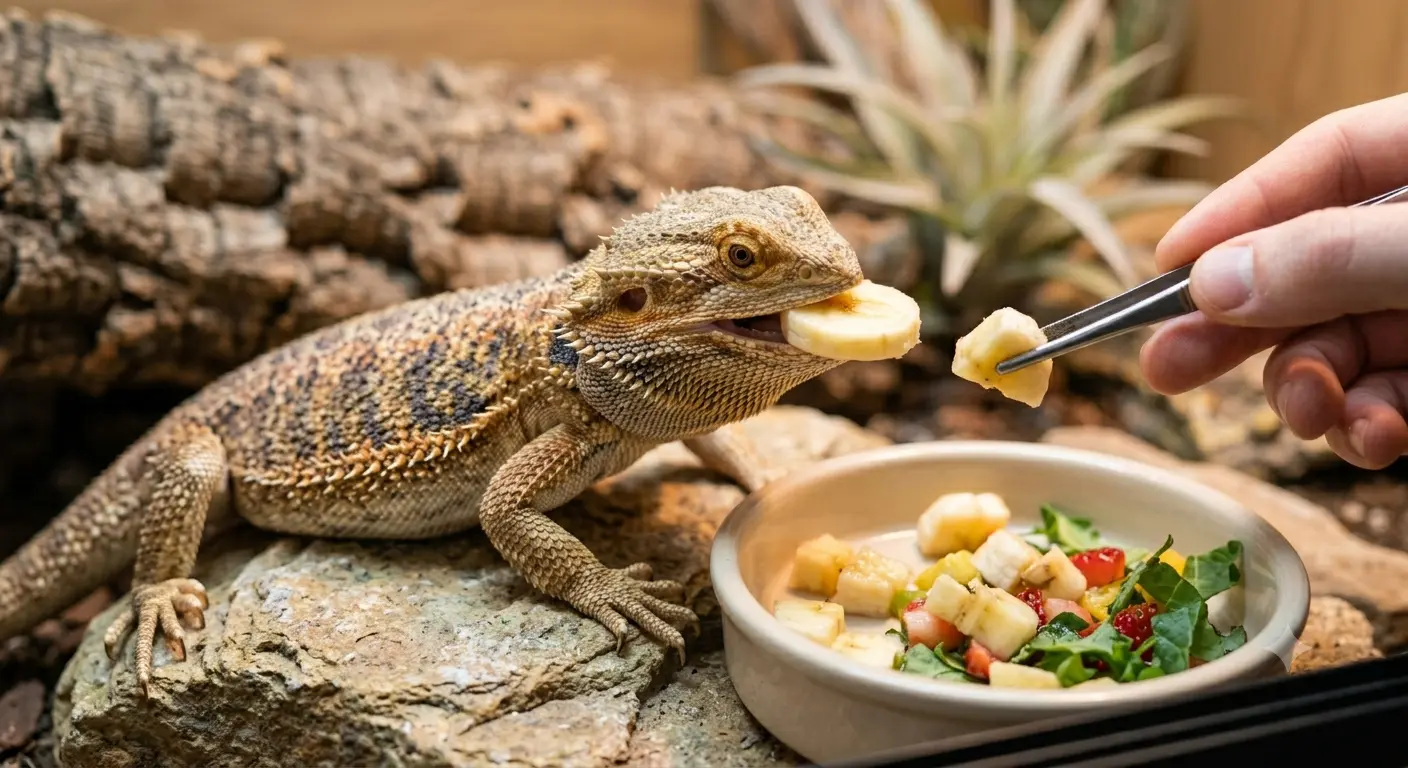
6. How Often and How Much Banana Can They Have?
To successfully avoid the severe metabolic health issues frequently highlighted in your site’s organic performance reports, you must enforce strict portion controls. Remember that when Bearded Dragons Eat Bananas, consistency in moderation is the absolute key to preventing long-term systemic issues.
Adhere strictly to the following professional feeding limits to keep your reptile’s metabolic panel completely safe:
- Maximum Frequency: Provide this sweet treat no more than once or twice a month at the absolute most.
- Portion Size: Offer only a few incredibly thin slices, or roughly half a teaspoon-sized amount per serving.
- The Mix Method: Always serve fruit pieces mixed deeply into a larger salad filled with dark, high-calcium leafy greens.
7. Step-by-Step: How to Safely Prepare Bananas
Preparing exotic pet food correctly is absolutely essential to avoid structural choking hazards and “Impaction,” a dangerous intestinal blockage issue that can instantly shorten your dragon’s lifespan. Follow these precise preparation steps carefully every time:
Selection: Choose certified organic fruits whenever possible to entirely avoid systemic chemical exposure, especially if you plan to utilize the outer peel.
Peeling & Washing: If you choose to include the peel, wash it vigorously under cold running water while scrubbing the surface gently with a brush.
Slicing: Cut the inner fruit flesh into tiny pieces that are significantly smaller than the physical space between your bearded dragon’s eyes.
Mashing (Optional): For older or rescue lizards with poor dental health, mashing the fruit can make it substantially easier to swallow without choking.
The Salad Topper Method: Never give your reptile an isolated bowl containing only fruit. Place 2-3 small pieces directly on top of a massive base of Collard Greens or Mustard Greens to actively encourage them to consume their bitter daily vegetables.

8. Better Alternatives for Daily Feeding
If you want to treat your precious exotic pet without any of the dangerous health risks associated with high phosphorus, consider integrating these staples into their daily routine. These options promote exceptional bone density, clear neurological function, and consistent energy levels:
- Butternut Squash: Exceptionally high in Vitamin A and completely safe for daily feeding schedules.
- Dandelion Greens: A magnificent, readily available green packed with natural, bioavailable calcium.
- Blueberries: A significantly safer, lower-phosphorus fruit choice that provides rich antioxidants without hurting bones.
9. Conclusion: Protecting Your Dragon’s Future
Ultimately, making sure your Bearded Dragons Eat Bananas only as an occasional luxury ensures they enjoy a highly varied life without suffering from painful calcium deficiencies. By keeping fruit servings low and prioritizing dense calcium greens, you build an environment where your reptile can genuinely thrive for over a decade.
Always let scientific data guide your pet’s daily plate, monitor their behavior closely, and remain consistent in your care routine. Your dedication today forms the foundation of their health tomorrow.
Bananas are just a small part of a reptile’s world. To ensure your pet stays healthy, active, and happy, check out our comprehensive guide on Bearded Dragon Health Issues and How to Spot Them where we cover everything you need to know to protect your scaled friend!
10. Frequently Asked Questions (FAQ)
Q1: Can baby bearded dragons eat bananas safely?
A: No, it is highly recommended to completely avoid feeding them to growing babies. Developing juveniles require massive amounts of pure calcium for rapid bone growth, and the phosphorus in bananas can easily derail that vital process.
Q2: Are bananas dangerous or poisonous to reptiles like some myths suggest?
A: They are not inherently toxic like a chemical poison, but they become highly dangerous if allowed to become a staple food source. Proper dietary balance is the ultimate clinical secret to ensuring long-term reptilian longevity.
Q3: What should I do if my dragon accidentally ate a large piece of banana?
A: Do not panic, as a single isolated incident will not cause MBD. Simply withhold all fruits for the next several weeks, and focus heavily on feeding high-calcium staple greens heavily dusted with pure calcium powder.
Q4: Can I feed dried banana chips to my bearded dragon instead?
A: No, dried banana chips have had all their natural water content removed, which drastically concentrates the sugar levels to an extreme degree. They also present a severe mechanical impaction and choking risk to their throats.