
As a devoted reptile keeper, providing optimal nutrition for your exotic pet remains a top priority. When curating a balanced diet for your *Pogona vitticeps*, you might frequently ask yourself: Can bearded dragons eat celery?
The short answer is yes, bearded dragons can eat celery, but it must only be offered as a rare treat. While this crisp vegetable offers a quick burst of hydration, it carries certain nutritional imbalances that can compromise your pet’s long-term skeletal health if fed too frequently.
| Nutrient Component | Value per 100g | Impact on Bearded Dragons |
|---|---|---|
| Moisture (Water) | 95.4g | Excellent for short-term hydration; causes diarrhea if overfed. |
| Calcium | 40mg | Essential mineral for bone integrity and metabolic function. |
| Phosphorus | 24mg | Binds to calcium, altering the ideal nutrient absorption. |
| Oxalic Acid | Moderate | Antinutrient that blocks essential calcium absorption path. |
Understanding the Nutritional Profile of Celery
To truly answer the question, can bearded dragons eat celery safely, we must dissect its biochemical makeup. Celery is not inherently poisonous or toxic to your lizard, meaning a small bite will not cause acute poisoning.
However, an ideal reptile diet requires a strict 2:1 Calcium-to-Phosphorus ratio to support structural health. Celery features a reverse, unfavorable ratio where the phosphorus content severely undermines the available calcium levels.
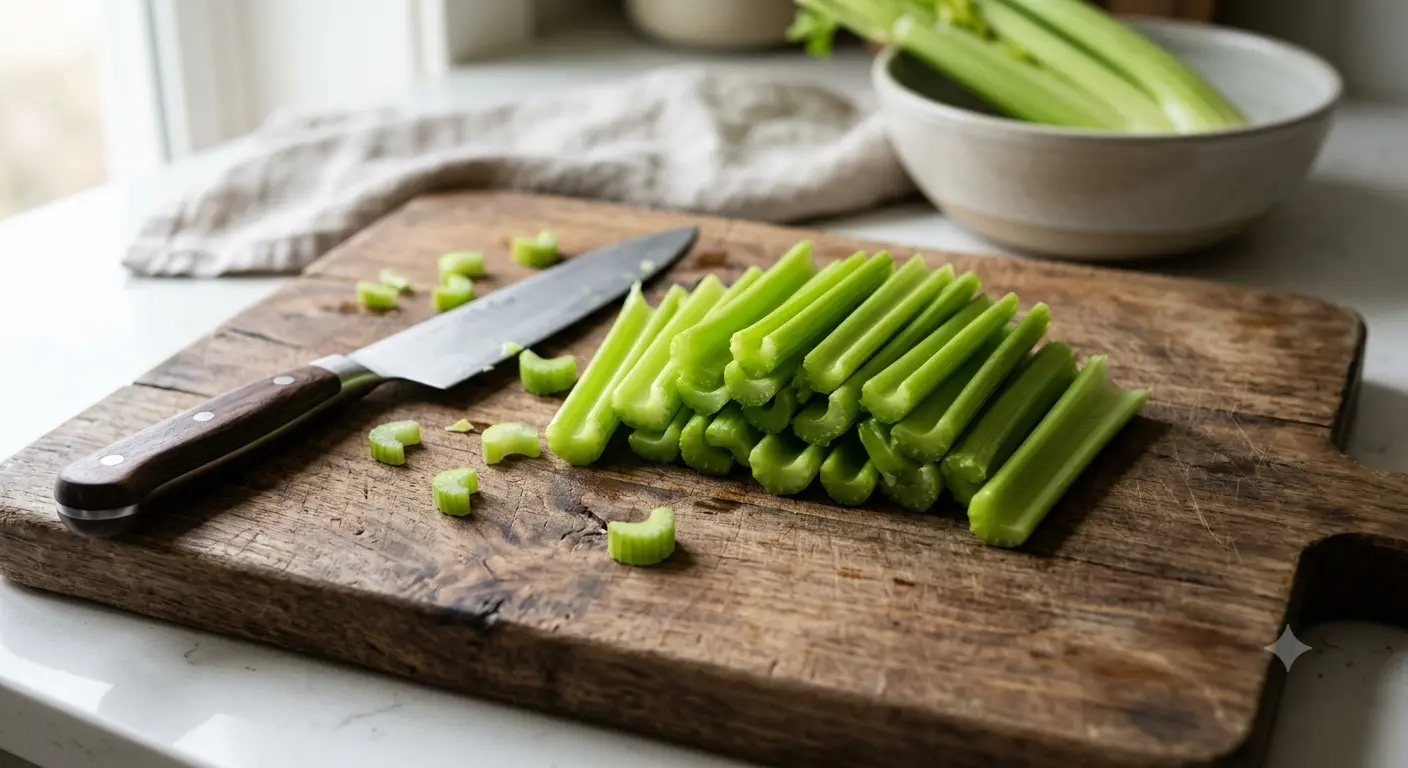
Additionally, this green stalk contains moderate levels of oxalate compounds, which are known antinutrients. These compounds bind tightly to calcium within the gut, forming insoluble salts that your reptile cannot utilize.
The Critical Risks of Overfeeding Celery
If you feed this vegetable regularly, your pet will face a progressive decline in available minerals. When internal calcium drops, the parathyroid gland signals the body to pull calcium directly from the skeletal framework.
This biological response eventually culminates in Metabolic Bone Disease (MBD), a painful, preventable condition. Symptoms of MBD include soft jawbones, swollen limbs, tremors, and severe lethargy.
High Moisture Content and Digestive Distress
Because celery is roughly 95% water, introducing large quantities into the digestive tract can disrupt the gut microbiome. Excessive moisture leads directly to watery stools and severe diarrhea.
Chronic diarrhea triggers rapid dehydration, which places unnecessary strain on your reptile’s kidneys. Therefore, structural staples like collard greens must always take precedence over watery treats.
The Human Experience: A Keeper’s Perspective
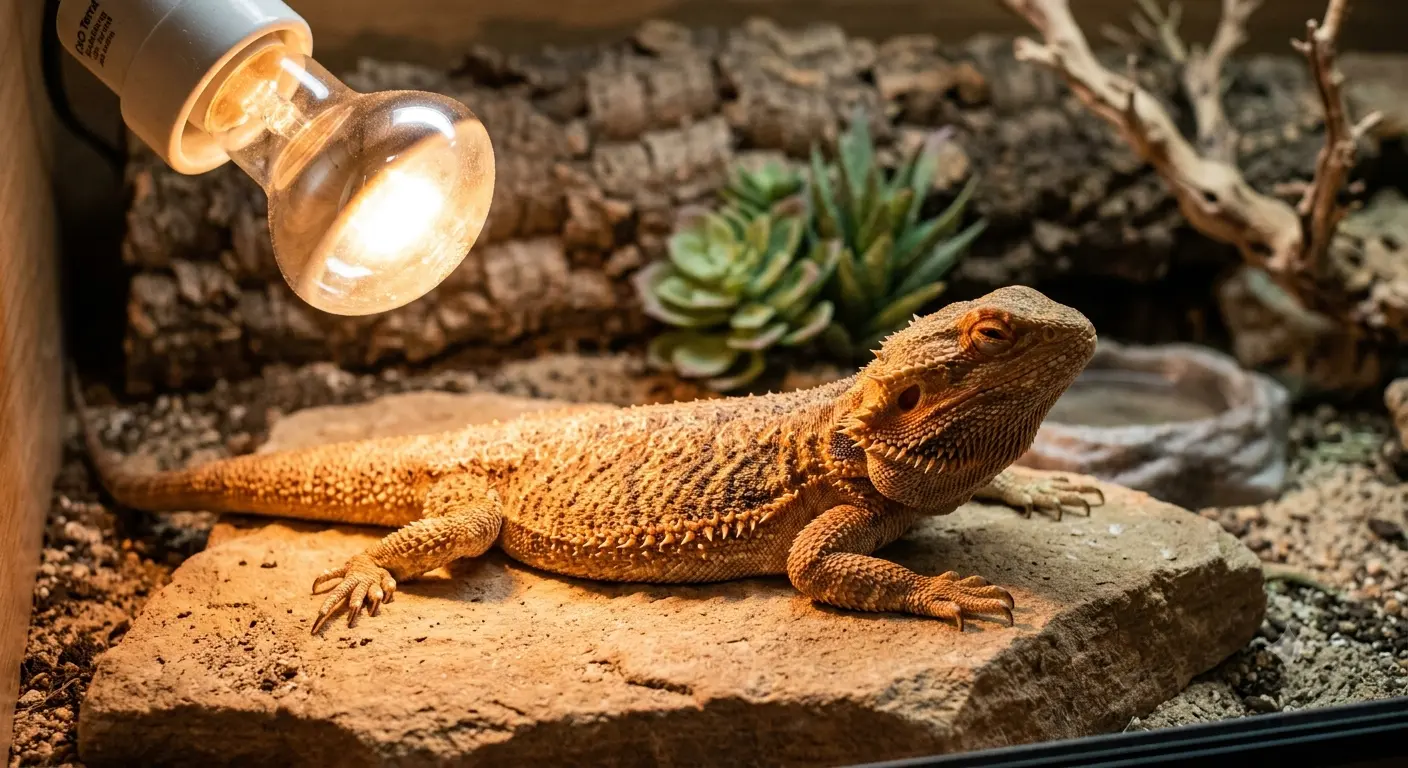
The morning sun slowly creeps into my reptile room. My oldest dragon stirs, blinking away sleep with that signature, deeply ancient look. Caring for these majestic creatures changes you. It demands ultimate patience.
Yesterday, I prepared his fresh salad platter. I decided to slice a microscopic piece of crisp green stalk as a tiny snack. I watched him chew it carefully. My heart raced slightly. The long, stringy fibers always make me incredibly nervous.
I always take extra time to peel every single strand away. It is tedious work. But seeing him healthy makes every second worth it.
Stalks vs. Leaves: Which Part is Best?
Many keepers do not realize that the celery leaves are actually the most nutritious part of the plant. The leafy tops possess a higher concentration of Vitamin A, Vitamin K, and iron compared to the fibrous stems.
When wondering can bearded dragons eat celery leaves safely, the answer is still limited to moderation. While superior to the stalks, the leaves still contain oxalates and should be treated as a salad topper rather than a core meal.
If you choose to use the stalks, you must remove the tough, parallel structural strings entirely. These long fibers do not break down easily in the small intestine, creating a high risk of life-threatening physical impaction.
How to Correctly Prepare Celery for Your Pet
If you want to offer this vegetable as a monthly treat, strict preparation steps must be followed. First, opt for organic produce whenever possible to minimize exposure to systemic agricultural pesticides.
Wash the vegetable thoroughly under cold, running water to clear away hidden dirt or chemical residue. Next, use a sharp knife to dice the stalk into tiny, head-width-compliant pieces.
- Step 1: Select crisp, fresh organic stalks and green leaves.
- Step 2: Wash thoroughly to completely remove lingering chemical residues.
- Step 3: Strip away all tough, stringy fibers from the outer stem.
- Step 4: Finely dice the stalk into tiny, bite-sized portions.
- Step 5: Mix the pieces into a diverse salad of safe staple greens.
Never feed whole chunks or large slices to your lizard under any circumstances. A golden rule of herpetoculture dictates that all food items must be smaller than the space between your pet’s eyes.
Healthy Alternative Greens to Feed Instead
To avoid the metabolic pitfalls of oxalates, you should focus your pet’s daily salads around nutrient-dense staples. Excellent alternatives include turnip greens, mustard greens, endive, and escarole.
These dark leafy greens offer an optimal calcium-to-phosphorus ratio alongside natural dietary fiber. According to official guidelines from the Association of Reptilian and Amphibian Veterinarians (ARAV), a diverse rotation of greens prevents nutritional deficiencies.
Is Your Lizard Refusing Daily Meals?
If your pet turns their nose up at healthy greens or acts unusually picky, explore our comprehensive expert troubleshooting guide on Why Bearded Dragon Not Eating to restore their natural appetite quickly.
Summary Matrix: Safe Veggie Comparison
To help you organize your reptile’s weekly meal plan, consider how celery compares to other common vegetables. The table below outlines safety frequencies based on nutrient density.
| Vegetable Name | Feeding Frequency | Primary Nutritional Benefit | Main Risk Factor |
|---|---|---|---|
| Collard Greens | Daily Staple | Excellent Calcium-to-Phosphorus Ratio | Very low risk profile |
| Butternut Squash | Frequent Staple | High in Beta-Carotene & Fiber | Moderate carbohydrate load | Rare Treat (Once a Month) | High Moisture Content for Hydration | High Oxalates & Poor Ca:P Ratio |
| Iceberg Lettuce | Never Feed | Basic Hydration | Zero nutritional value; causes diarrhea |
Conclusion: Can Bearded Dragons Eat Celery?
In conclusion, when evaluating can bearded dragons eat celery, it remains a clear situational food. It functions well as a controlled hydrating snack during hot summer months or minor shedding periods.
However, due to its poor mineral balance and dangerous fibrous strings, it cannot replace daily calcium-rich greens. Prioritize a varied, balanced diet to ensure your companion remains vibrant and active for years to come.