
Caring for an exotic pet brings immense joy, but it also comes with unique grooming challenges that standard pet owners never have to face. Quill maintenance is an essential pillar of keeping your spiky companion healthy, comfortable, and free from problematic skin conditions. Knowing how to give hedgehog a bath properly ensures that you remove accumulated dirt without striping away vital natural skin oils.
Many beginners feel intimidated by the prospect of introducing a naturally anxious animal into water. However, breaking the process down into manageable, stress-free steps will completely transform this routine into a bonding experience. By prepping the environment beforehand and understanding behavioral cues, you can guarantee a safe, efficient, and thoroughly rewarding wash session for your pet.
Why Regular Quill Maintenance is Vital for Your Pet
Hedgehogs are low-maintenance animals, but their unique anatomy requires occasional targeted intervention to prevent waste buildup. In the wild, foraging activities naturally wear down debris, but captive environments lack these rough textures. Dust, bedding particles, and dried feces easily lodge themselves between the quills, creating a breeding ground for harmful bacterial colonies.
Failing to wash your pet regularly can lead to severe quill loss, intense fungal infections, and painful skin irritation. Furthermore, a dirty habitat or clogged pores can exacerbate quill diseases, causing long-term discomfort that manifests as defensive or aggressive behaviors. A gentle bath serves as an ideal preventative measure to keep their sensitive skin completely supple and healthy.
Essential Supplies for a Safe Grooming Session
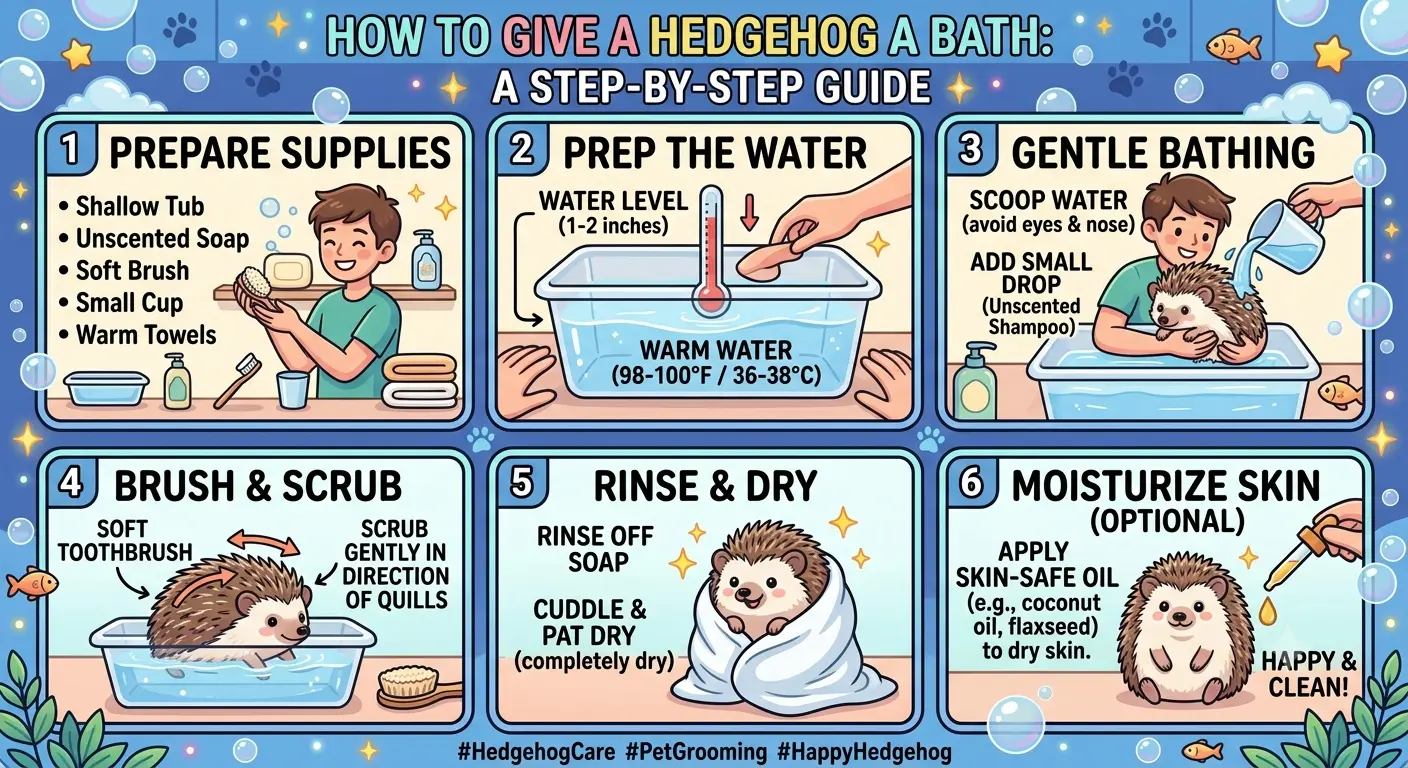
Before bringing your animal near any water source, you must gather all necessary supplies within arm’s reach to avoid leaving them unattended. Temperature fluctuations can shock small exotic mammals rapidly, making organization a top priority. Having everything ready minimizes transit time and reduces environmental stress significantly during the procedure.
Investing in high-quality, species-appropriate grooming tools prevents accidental chemical exposure or structural damage to delicate skin layers. Standard commercial pet soaps formulated for cats or dogs are typically far too harsh. Stick to natural, fragrance-free alternatives that respect the delicate pH balance of small insectivores.
- A shallow wash basin, plastic container, or a thoroughly cleaned bathroom sink.
- Gentle, fragrance-free colloidal oatmeal shampoo specifically manufactured for sensitive skin.
- A soft-bristled toothbrush to meticulously scrub between individual quills without scratching.
- Several thick, warm microfiber towels to dry your pet completely immediately afterward.
- Pure, organic coconut oil or flaxseed oil to replenish lost moisture post-wash.
Step-by-Step Guide on How to Give Hedgehog a Bath
The first critical step involves regulating the water temperature to match the natural body warmth of your pet perfectly. The water should feel lukewarm to the touch, precisely around 98 to 100 degrees Fahrenheit, resembling a comfortable temperature for a human infant. Fill the basin with only one to two inches of water, ensuring it does not reach their nose or eyes.
Lower your companion into the basin slowly, letting them adjust their tiny paws to the wet texture before proceeding further. Use a small cup to pour warm water gently over their back, keeping their sensitive face entirely dry. Apply a few drops of oatmeal shampoo along the spine, avoiding any direct contact with ears, eyes, or nostrils.
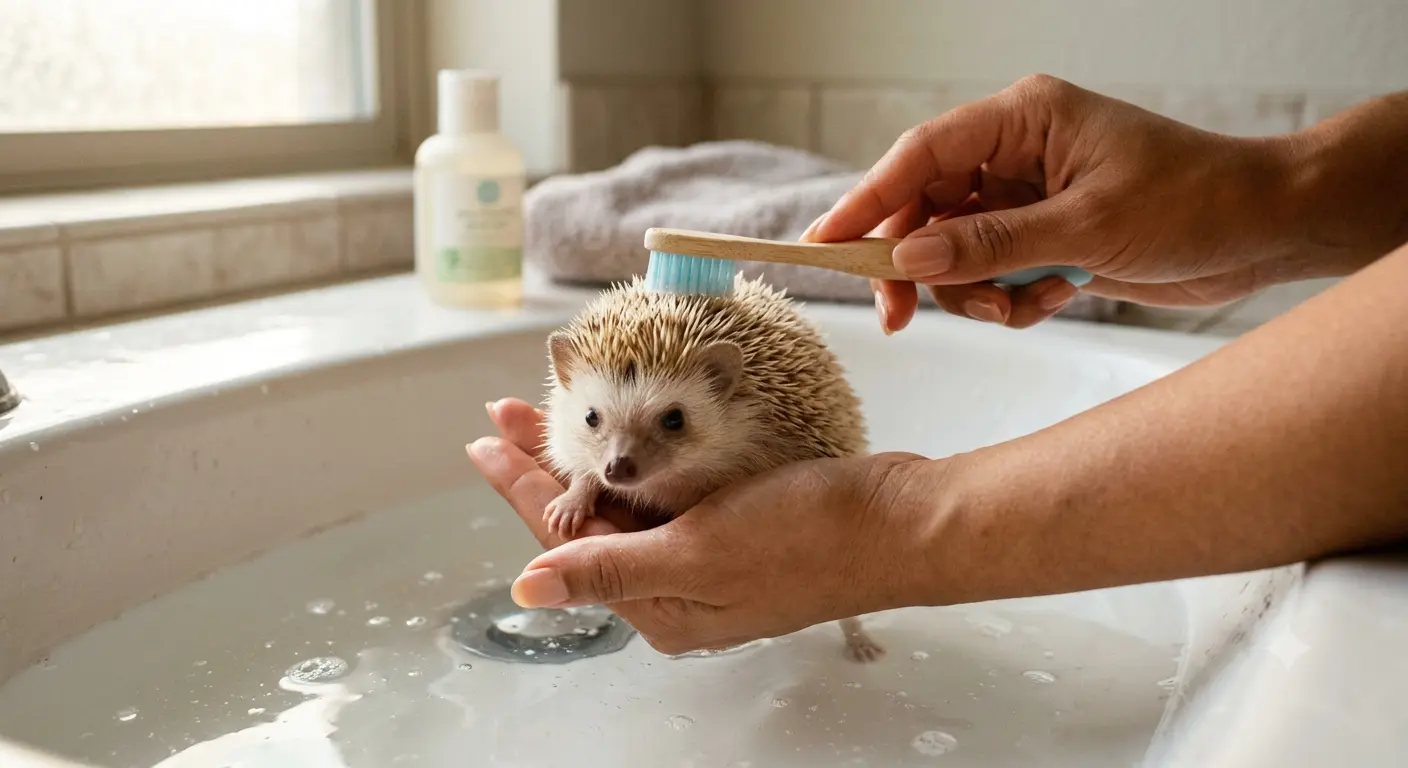
Take your soft-bristled toothbrush and brush gently from the front of the head toward the tail, following the natural direction of quill growth. Never scrub back and forth vigorously, as this can twist the quills and cause acute pain. Rinse the soapy residue thoroughly with clean, warm water until the skin underneath looks entirely clear.
Post-Bath Drying and Moisturizing Protocols
Because these animals are highly susceptible to respiratory infections caused by sudden chilling, drying is arguably the most crucial phase. Immediately transfer your wet pet into a waiting microfiber towel, wrapping them snugly like a small burrito. Hold them close to your body heat for at least fifteen to twenty minutes until they are fully dry.
Once dry, check their skin for dry patches, flakey areas, or signs of mites, which can look like dandruff. To lock in moisture, apply a single drop of skin-safe oil directly between their shoulders where they cannot lick it off. Ensure they are entirely dry before returning them to their enclosure to prevent damp bedding from lowering their core temperature.
A Lesson in Patience: Lessons from the Reptile Room
Last Tuesday, the reptile room was unusually chaotic. My old bearded dragon, Barnaby, was undergoing a difficult shed cycle that left him incredibly cranky. I tried everything to soothe him. Standard warm mistings failed miserably, leaving both of us frustrated. He kept flaring his dark beard, slamming his tail against the slate tile, and refusing his favorite dubia roaches.
I felt completely defeated after spending two hours trying to pick stubborn stuck shed from his tiny toes. Then, quite by accident, I remembered an old trick from a seasoned breeder involving a localized, concentrated humidity box lined with damp, textured paper towels. I placed Barnaby inside the warm, dark enclosure, letting him sit quietly without my constant intervention.
Within forty minutes, the friction against the rough towels naturally loosened the stubborn layers without causing a single bit of stress. It taught me that forcing an exotic animal into an idealized routine rarely works out. Sometimes, stepping back, observing their natural discomfort, and opting for a low-intervention, hands-off approach makes all the difference in modern husbandry.
Comparing Grooming Methods for Small Exotic Mammals
While a standard water wash is highly effective for heavy lifting, alternative grooming methodologies exist for specific scenarios. Understanding when to deploy different cleaning techniques prevents over-washing, which can ruin natural skin protective barriers. Review the matrix below to balance your routine effectively throughout the year.
| Grooming Method | Primary Benefit | Recommended Frequency | Best For |
|---|---|---|---|
| Full Water Wash | Deep cleans skin, removes stuck fecal matter thoroughly | Once a month (or as needed) | Heavy dirt, dried poop boots, oil buildup |
| Foot Bath Only | Quickly cleans messy paws without drying out the body | Multiple times per week | Daily wheel running residue, minor dirt |
| Oatmeal Rinse | Soothes itchy skin, reduces quill-loss discomfort | Bi-weekly during quilling | Young growing pets, dry winter skin |
| Dry Towel Wipe | Zero moisture risk, extremely low stress | As daily maintenance | Surface dust, immediate post-meal cleanups |
Pre-Bath Handling and Socialization Tips
A calm pet is infinitely easier to wash safely than one locked tightly into a defensive ball of sharp quills. Spending time acclimating your companion to human touch before bath day arrives dramatically lowers their stress baseline. If you notice your pet huffing frequently, you should prioritize foundational socialization steps first.
To build confidence and reduce anxiety, you can learn how to handle a hedgehog properly during calm evening sessions. Consistent, gentle physical contact teaches them to trust your scent, making them far less likely to curl up defensively when introduced to the wash basin. Patient daily interaction lays the necessary foundation for seamless, bite-free grooming routines.
For more detailed information regarding exotic animal health and clinical veterinary standards, you can consult the official documentation provided by the Association of Reptilian and Amphibian Veterinarians (ARAV). Cross-referencing husbandry practices with veterinary guidelines ensures your pet care choices remain scientifically sound and safe.
Frequently Asked Questions About Hedgehog Grooming
Q: How often should I give my pet a full water bath?
A: You should generally avoid washing them more than once a month unless they get exceptionally dirty. Over-washing strips away essential natural oils, leading to chronic dry skin, severe irritation, and potential quill loss.
Q: What should I do if my pet hates water and curls into a ball?
A: Never force them under water if they panic completely. Scoop warm water over their back gently using your hands, offer high-value treats like mealworms, and keep the water level extremely shallow to build initial confidence.
Q: Can I use standard baby shampoo for their skin?
A: While some owners use baby shampoo, a specialized, fragrance-free colloidal oatmeal shampoo formulated for pets is vastly superior. It offers targeted moisturizing properties that respect their incredibly sensitive skin chemistry.
Q: How do I safely clean dirty “poop boots” from their feet?
A: Run just a half-inch of warm water in your basin and let them walk around in it for a few minutes. The standing warm water will naturally dissolve the dried feces on their paws without requiring intense, painful scrubbing.
Mastering how to give hedgehog a bath requires patience, the right tools, and an acute understanding of your individual pet’s emotional limits. By keeping the water warm, scrubbing gently with a soft toothbrush, and drying them comprehensively, you ensure a clean, healthy companion. Maintain a consistent routine, watch for dry skin patches, and enjoy the rewarding process of exotic pet husbandry.