
Beyond the Sticker Price: The Reality of Exotic Acquisition
The animal itself is almost never the expensive part — the world it needs to survive is.
A ball python morph might cost $50 at a reptile expo. A hedgehog price at a local breeder often lands between $100 and $300.
According to Reptiles Magazine, initial purchase prices for common exotic species range from $20 to over $5,000 depending on morph rarity.
What that number never reflects is the biological infrastructure those animals require from the moment they arrive home.
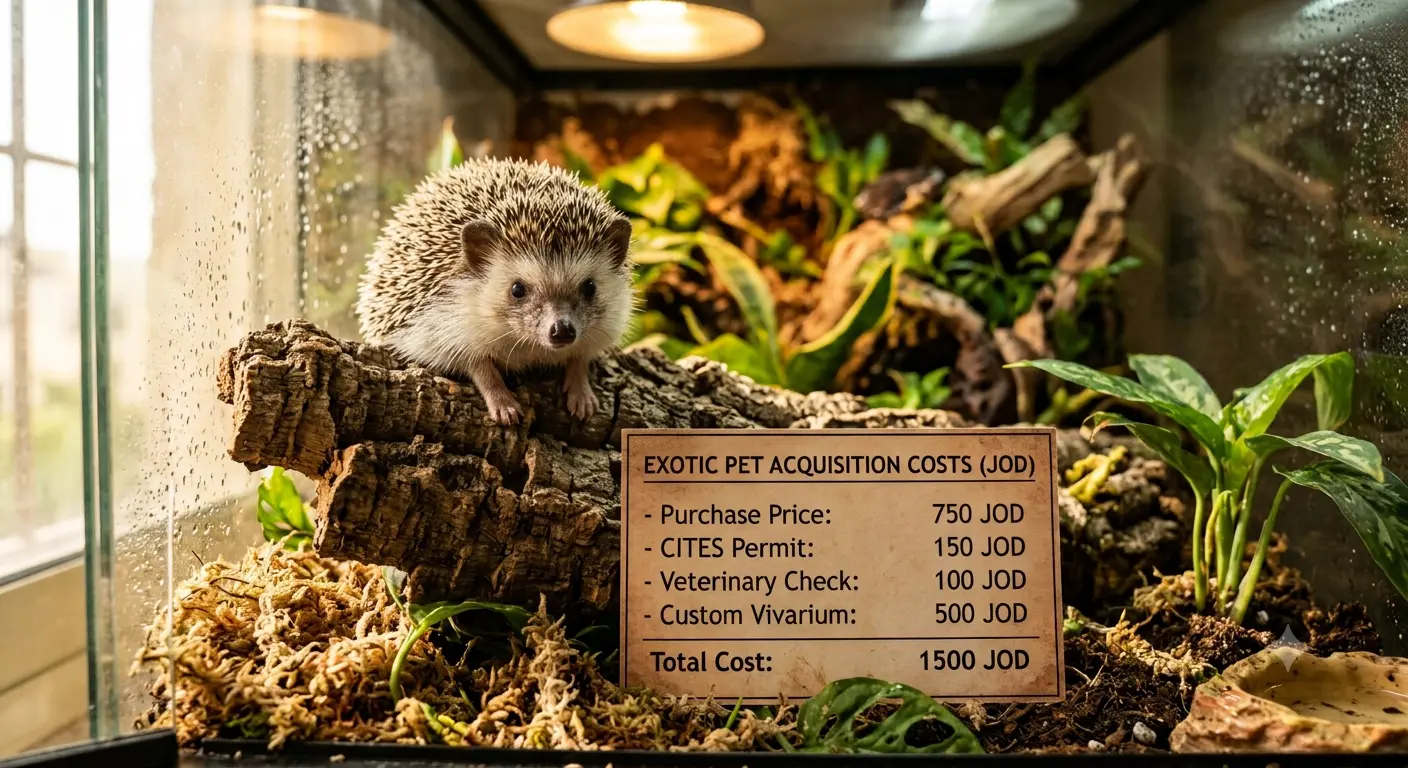
The enclosure isn’t an accessory — it’s a life-support system.
Every exotic animal evolved within a precise set of environmental conditions: specific humidity ranges, UV exposure, temperature gradients, and substrate depth.
Strip those away, and you don’t have a pet living in a simplified environment. You have an animal in physiological stress, burning through reserves it can’t replenish.
What looks like “settling in” during the first 24 hours is often the early stage of a preventable decline.
This is why the 48-hour rule matters. Inadequate setups lead to immediate veterinary intervention during the first 48 hours, making it the most expensive phase of exotic ownership.
Impulse purchases bypass the research window entirely, and animals pay for that gap fast.
A hedgehog showing signs of distress or a dragon developing early muscle weakness — these aren’t bad luck. They’re the predictable result of an environment that was never built to sustain them.
The animal’s price tag and its true cost of ownership exist in completely different financial universes. Understanding that gap starts with the habitat — and that’s exactly where the numbers get uncomfortable.
The 500% Rule: Engineering a Functional Habitat
The animal’s price tag is almost always the smallest line item — the enclosure, lighting, and climate hardware that keeps it alive will routinely cost three to five times more.
According to the University of California, Davis, the hidden acquisition cost of a proper reptile enclosure often exceeds the animal’s price by 300% to 500%.
That gap becomes painfully concrete the moment you price out a functional bearded dragon setup. The dragon itself might run $60.
A species-appropriate 120-gallon tank, on the other hand, starts around $300 and can climb well past $500 depending on brand and build quality — before a single accessory is added.
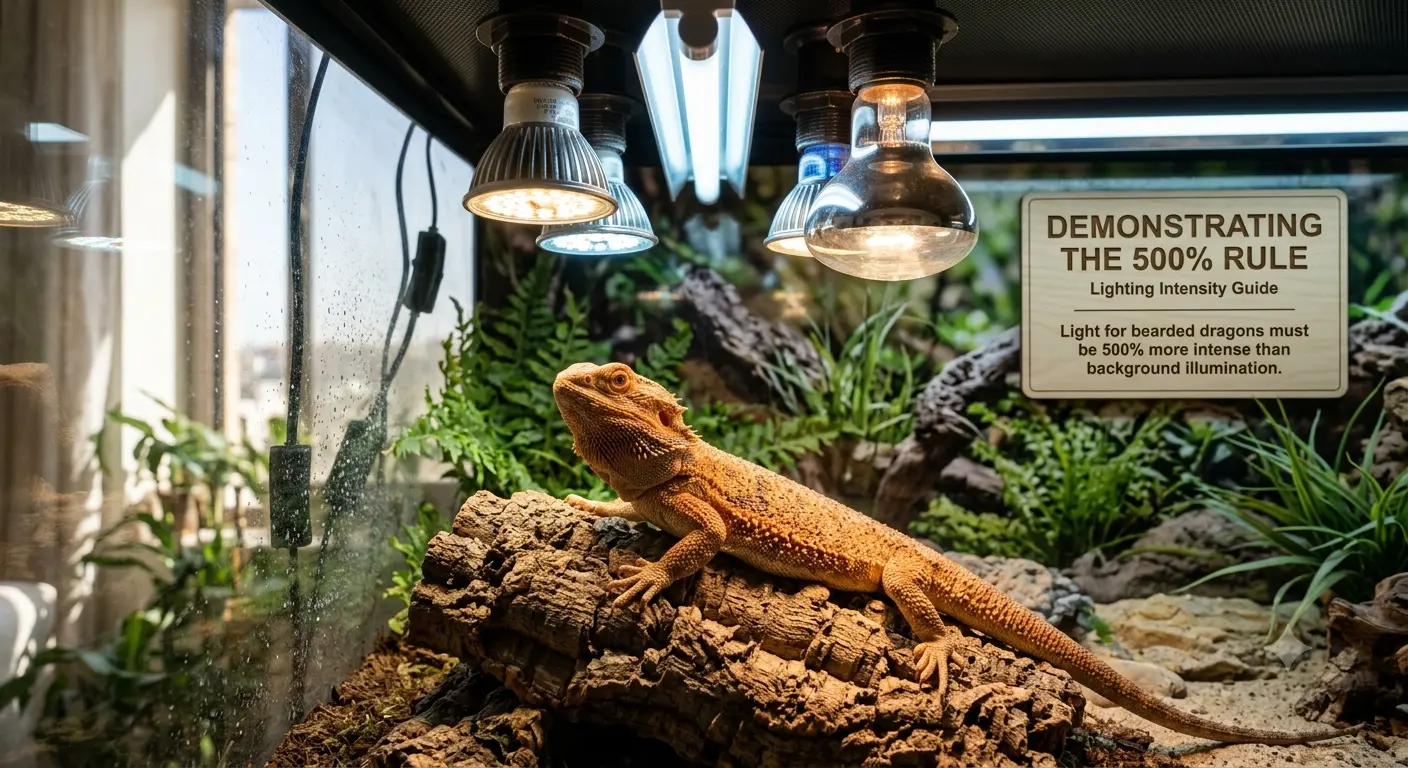
Cutting corners on lighting and temperature control isn’t frugal; it’s a direct path to preventable disease.
Bearded dragons require T5 HO UVB bulbs — not the cheap coil alternatives sold at general pet stores — to synthesize vitamin D3 and metabolize calcium properly.
T5 HO fixtures with appropriate bulbs typically run $80–$150, and bulbs must be replaced every six months regardless of whether they still emit visible light.
Pair that with a quality digital thermostat ($40–$80) and a calibrated hygrometer ($20–$40), and the “cheap” reptile begins to look very different financially.
Essential Hardware Cost Breakdown
| Hardware Item | Estimated Cost Range |
|---|---|
| 120-Gallon Enclosure | $300 – $500+ |
| T5 HO UVB Fixture & Bulb | $80 – $150 (Replaced every 6 months) |
| Basking Lamp & Deep Heat Projector | $30 – $60 |
| Digital Thermostat | $40 – $80 |
| Hygrometer | $20 – $40 |
| Substrate, Hides, and Décor | $50 – $100 |
Owners who skip the UVB upgrade or rely on inaccurate thermometers often discover the true cost later — through emergency vet bills tied to metabolic bone disease.
Metabolic bone disease is a progressive and frequently irreversible condition caused by chronic calcium deficiency.
This same financial dynamic applies across exotic species: the hedgehog cost conversation, for instance, mirrors this pattern almost exactly.
If you are planning a setup, checking a comprehensive wild hedgehog guide can offer excellent foundational insights into their natural baseline environmental needs.
Keep these metrics in mind as we move into the equally unforgiving world of thermal management.
Thermal Stability: The Recurring Cost of Climate Control
Maintaining the right temperature isn’t a one-time setup task — for hedgehogs, it’s a lifelong financial commitment that catches most new owners off guard.
According to the Hedgehog Welfare Society, African Pygmy Hedgehogs require a consistent ambient temperature of 72°F to 80°F.
Drop below that window, and you’re not just dealing with a cold pet — you’re facing a genuine medical crisis.
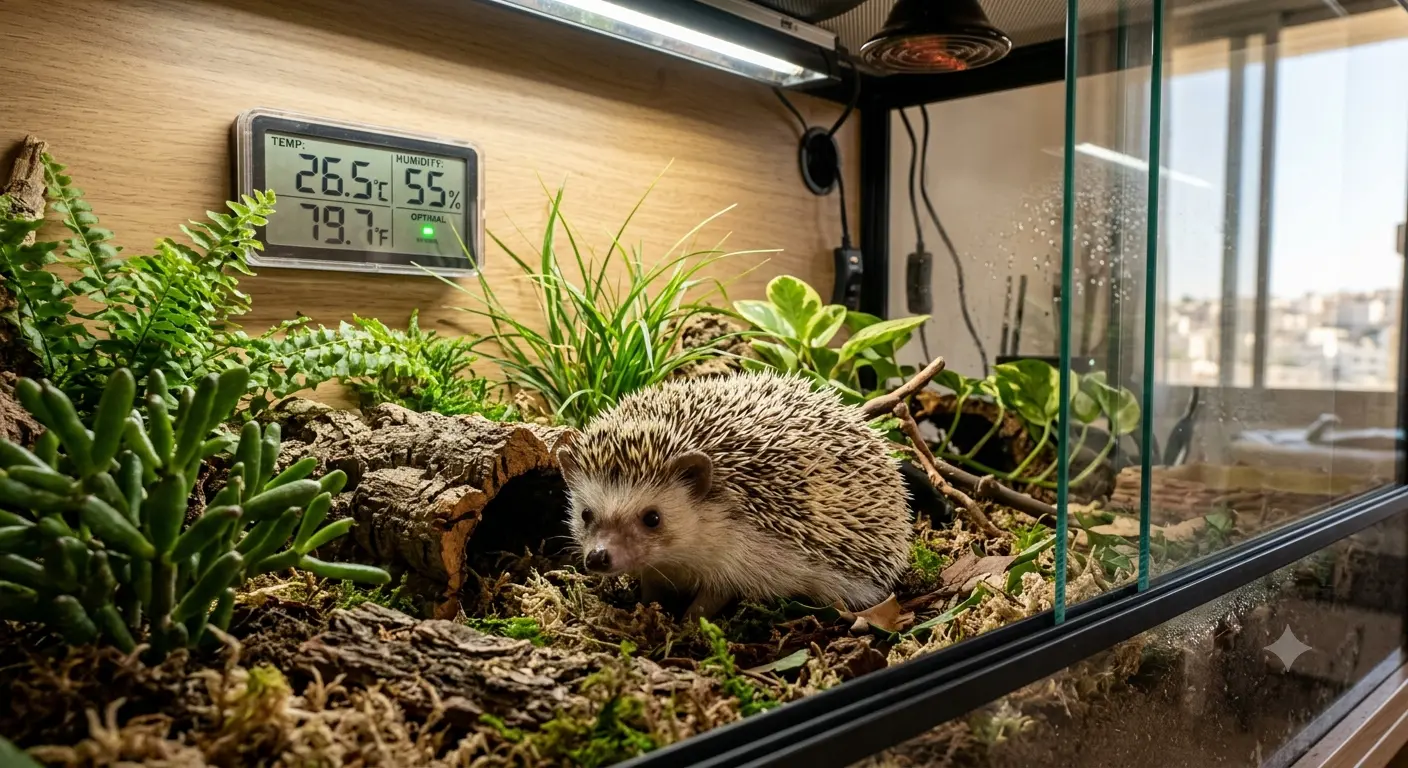
Hardware costs add up faster than most budgets anticipate.
A quality Ceramic Heat Emitter (CHE) runs $15–$30, but the real expense is the digital thermostat controller required to regulate it safely, which typically costs $40–$80.
Without a controller, temperatures swing unpredictably — creating the exact conditions that trigger hibernation attempts, or what’s clinically called torpor.
Energy bills are the expense nobody calculates upfront.
Running a CHE 24/7 adds a steady draw to your monthly electricity costs — a pattern that mirrors what reptile owners researching how much does it cost to own a bearded dragon discover.
The climate hardware never clocks out. This is worth tracking alongside your overall exotic pet wellness plan to avoid budget surprises down the road.
The species itself, as the next section explores, largely determines how extreme — and expensive — those climate demands become.
Species Selection and the Economics of Rarity
The species you choose on day one locks in a financial trajectory that compounds across every year of ownership — from enclosure hardware to emergency vet bills.
The gap between beginner-friendly species and advanced exotics isn’t measured in hundreds of dollars — it’s measured in thousands.
A standard African pygmy hedgehog from a reputable breeder typically runs $100–$300, with a functional hedgehog habitat setup costing another $300–$500.
Compare that to a Blue Tree Monitor or designer reptile morph, where acquisition alone can reach $1,500–$5,000, according to Reptiles Magazine.
The enclosure and climate systems that follow scale proportionally upward.
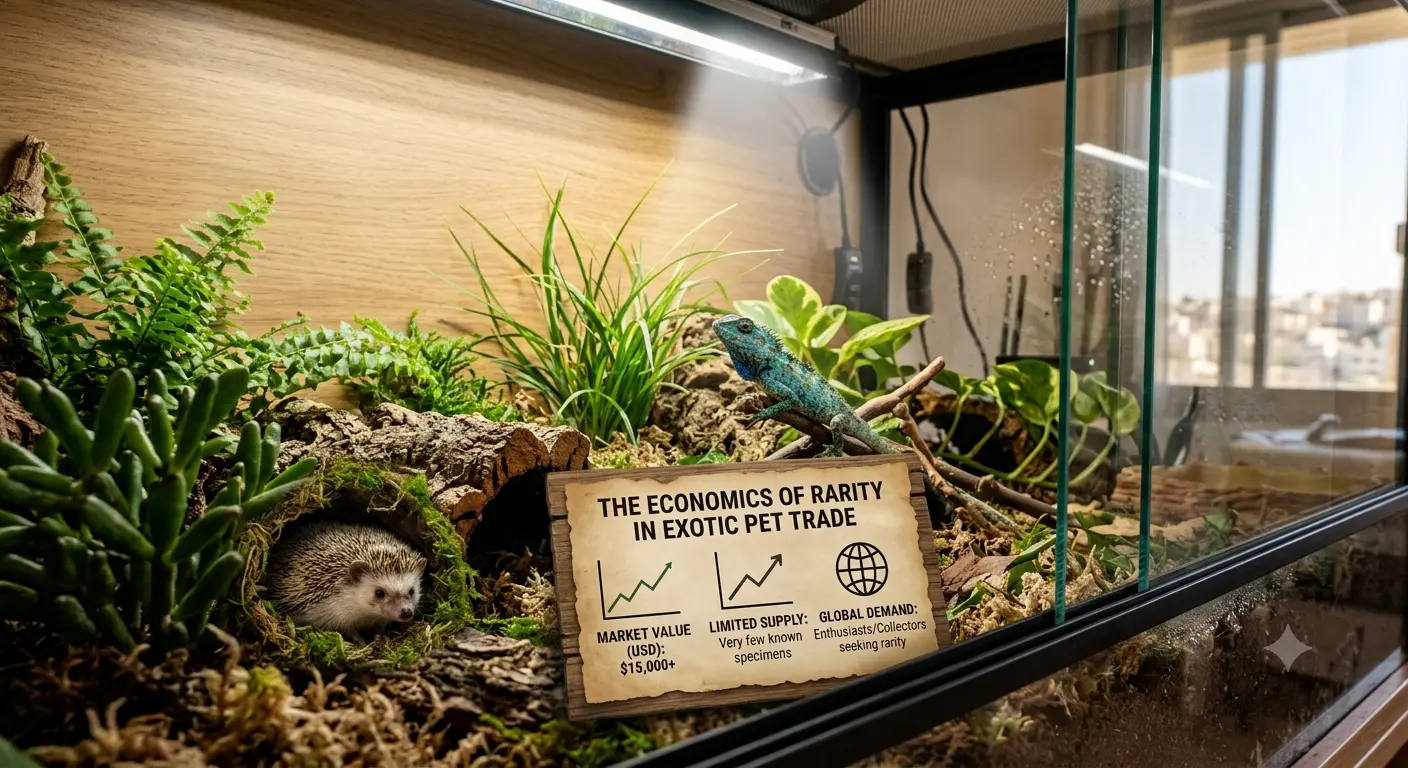
Rarity compounds veterinary costs, not just purchase prices.
Exotic vets charge premium rates for species they see infrequently — a hedgehog or bearded dragon consultation might run $75–$150.
Conversely, a specialist experienced with rare monitors or unusual morphs can charge two to three times that per visit.
Diagnostic tools for uncommon animals often require outside labs, extending both timelines and costs.
For owners already managing skeletal health risks common to reptile species, the financial exposure grows quickly.
Economies of scale rarely apply to exotic multi-pet setups.
Unlike cats or dogs, most exotic species require species-specific housing, lighting spectrums, and humidity ranges — meaning a second animal almost always means a second full system, not a shared one.
Vetting ethical breeders upfront prevents costly rescues later. Before purchasing, confirm three things:
- Health guarantees are offered in writing, with a minimum 72-hour return window.
- USDA licensing or state permits are current and verifiable.
- Lineage and captive-bred status is documented, not just claimed verbally.
Mill-sourced animals frequently arrive with hidden illnesses that trigger immediate veterinary intervention — often erasing any savings from a lower purchase price.
Where you buy matters as much as what you buy, a reality that connects directly to the broader ethics of sourcing — and the environmental costs that responsible ownership is designed to prevent.
The Conservation Connection: Why Sourcing Matters
Exotic pet acquisition costs don’t end at your front door — they ripple outward into ecosystems, conservation budgets, and wild populations worldwide.
Where you buy your animal is as financially consequential as how you house it.
Exotic pets sourced from unregulated channels are far more likely to carry undisclosed health issues, legal complications, and a documented link to invasive species pressure.
When poorly managed or deliberately released animals establish wild populations, the economic fallout is staggering.
Invasive species management costs governments and landowners billions of dollars annually, a burden that begins, in many cases, with a single irresponsible ownership decision.
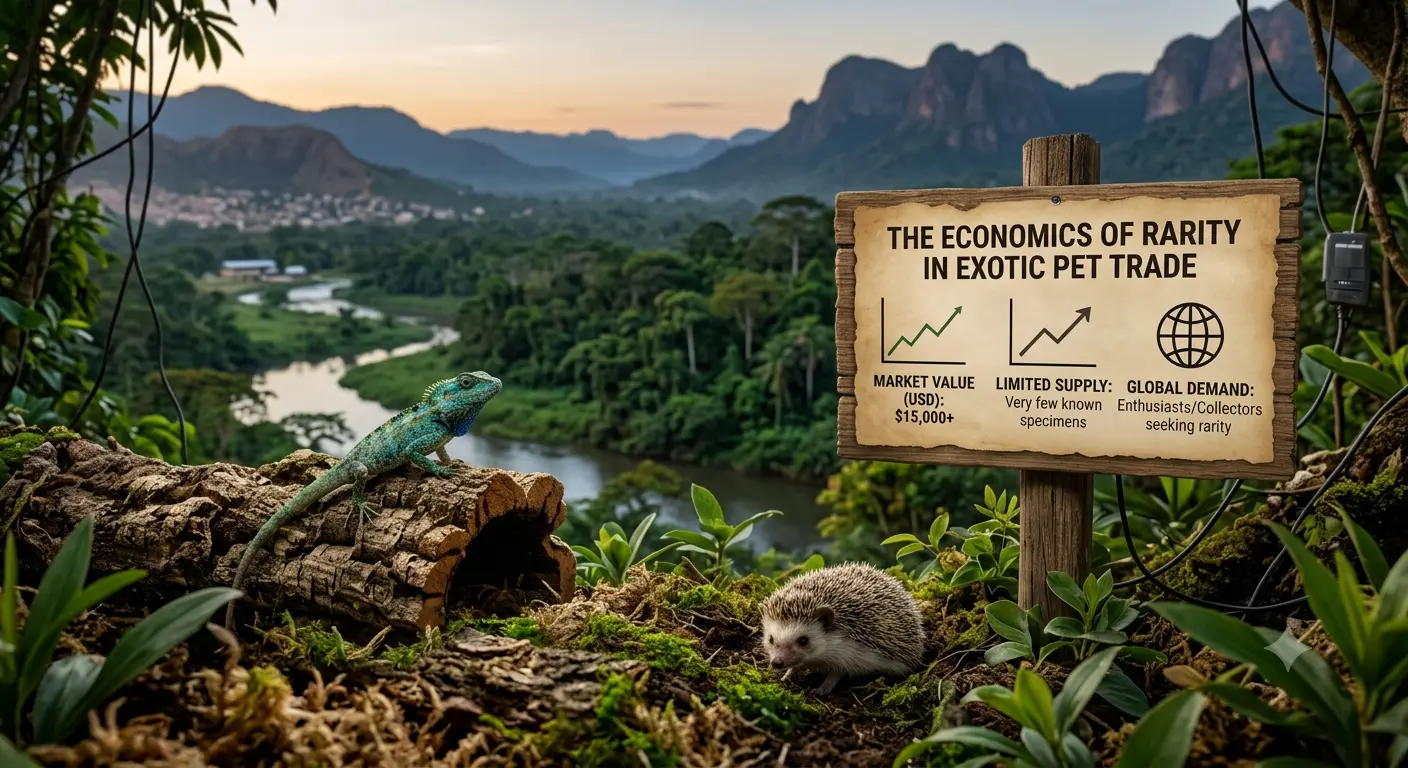
Conservation expenditure isn’t abstract.
Funding misallocated toward crisis management of invasive or escaped species directly reduces resources available for protecting wild populations of the very animals the exotic pet trade exploits most.
The cycle is self-defeating: demand drives collection, poor husbandry leads to releases, and wild populations decline further — driving prices up and pushing buyers toward cheaper, less ethical suppliers.
Ethical sourcing — captive-bred animals from licensed breeders — breaks that cycle.
Captive-bred hedgehogs and reptiles are typically healthier, better socialized, and far less likely to trigger the cascading nutritional and metabolic complications that drive up long-term veterinary costs.
Choosing the right source isn’t just an ethical stance; it’s a financially sound one. As the next section’s readiness checklist makes clear, the upstream decisions you make before purchase shape every dollar you’ll spend afterward.
The Bottom Line: Financial Readiness Checklist
Every budget conversation about exotic pets comes back to one uncomfortable truth: the animal’s purchase price is only about 20% of your true Year 1 cost.
The remaining 80% funds the infrastructure that keeps that animal alive.
Choosing a species without accounting for specialized equipment leads to “new tank syndrome” and respiratory infections — two outcomes that trigger emergency vet bills far exceeding what responsible setup spending would have cost upfront.
Before committing to any exotic, run through this four-point financial audit:
- The sticker price is a deposit, not the cost. Enclosures, substrate, hides, and feeding hardware routinely push Year 1 totals three to five times beyond the animal’s price tag alone.
- Thermostats and UVB lighting are life-support, not accessories. Skipping or downgrading these components is the single fastest path to diet-driven conditions like MBD and neurological decline.
- Ethical sourcing is a financial decision. Captive-bred animals from reputable breeders arrive with fewer pathogens, reducing hidden veterinary costs over their entire lifespan — whether budgeting around a hedgehog lifespan of four to seven years or a tortoise’s decades-long commitment.
- Climate control is a 24/7 operating expense. Heating, humidity regulation, and backup power aren’t one-time purchases; they add a recurring monthly line item to every year of ownership.
The keeper who plans for total cost of ownership before day one spends far less than the keeper who learns it through emergency care.
That discipline — building the right habitat before the animal arrives — is exactly what the next section addresses in depth.
Investing in Longevity with Exopetsecrets
Science-backed husbandry is the single most effective way to avoid emergency veterinary costs — and it starts long before you bring an animal home.
Every reptile enclosure investment you make in proper lighting, temperature gradients, and species-appropriate nutrition pays dividends.
It proactively prevents the cascading health failures that drain owners financially and emotionally.
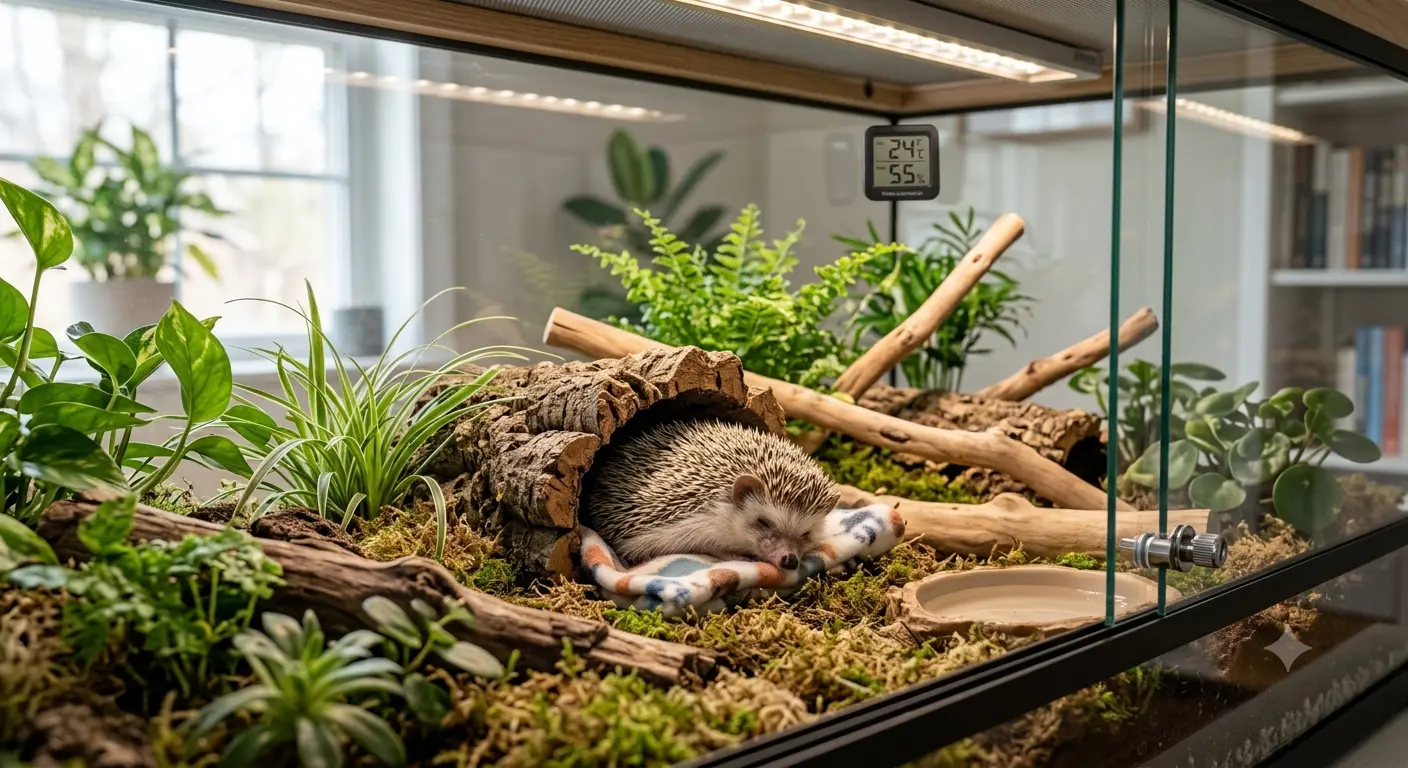
Metabolic bone disease, respiratory infections, and chronic dehydration are almost always preventable with the right setup blueprint from day one.
Exopetsecrets bridges the gap between hobbyist enthusiasm and veterinary science through five proven pillars of exotic pet health.
This gives you the structured knowledge base that most new owners never find until something goes wrong.
The care manuals aren’t generic advice — they’re species-specific roadmaps built around the biological needs your animal actually has.
Whether you’re dialing in calcium-to-phosphorus ratios or learning which foods disrupt bone density processes, the detail level matters.
Download the species-specific meal planners and habitat checklists before you purchase a single piece of equipment.
That sequencing alone can save hundreds of dollars in redundant or incompatible gear.
And when the moment comes to choose between a rare morph with a premium price tag and a healthier, well-established animal backed by solid husbandry knowledge — choose health.
The most expensive exotic pet you’ll ever own is the one you weren’t prepared to keep alive.
Frequently Asked Questions (FAQs)
What are the major hidden costs of owning an exotic pet?
The major hidden costs include specialized large-scale enclosures, high-output UV/thermal lighting systems, dedicated digital thermostats, continuous electricity usage, and specialized exotic veterinary checkups.
Why is a cheap exotic animal often expensive to keep?
A low purchase price typically reflects common availability, but the animal still demands an exact biological ecosystem simulation (the 500% rule) to survive safely in captivity.
How often do UVB bulbs need to be replaced in an exotic setup?
High-quality T5 HO UVB bulbs must be replaced every six months. Even if they still emit visible light, their functional UV output degrades significantly over time.
What is torpor in hedgehogs, and why is it dangerous?
Torpor is a stress-induced state triggered by low ambient temperatures. Unlike natural hibernation, it induces a life-threatening physiological shutdown requiring immediate emergency vet intervention.