
The Biological Reality of a Proper Hedgehog Diet for Pets
Establishing the ideal hedgehog diet for pets requires a deep dive into the biological reality of captive insectivores, as their metabolic architecture is built strictly around invertebrates.
Understanding the best nutrition starts with recognizing what the insectivore niche actually means at a physiological level.
Species like hedgehogs, tenrecs, shrews, and many amphibians evolved over millions of years consuming prey with a very specific biochemical signature.
This signature consists of high protein, moderate fat from natural lipid sources, negligible digestible carbohydrates, and — critically — a structural polysaccharide called chitin.
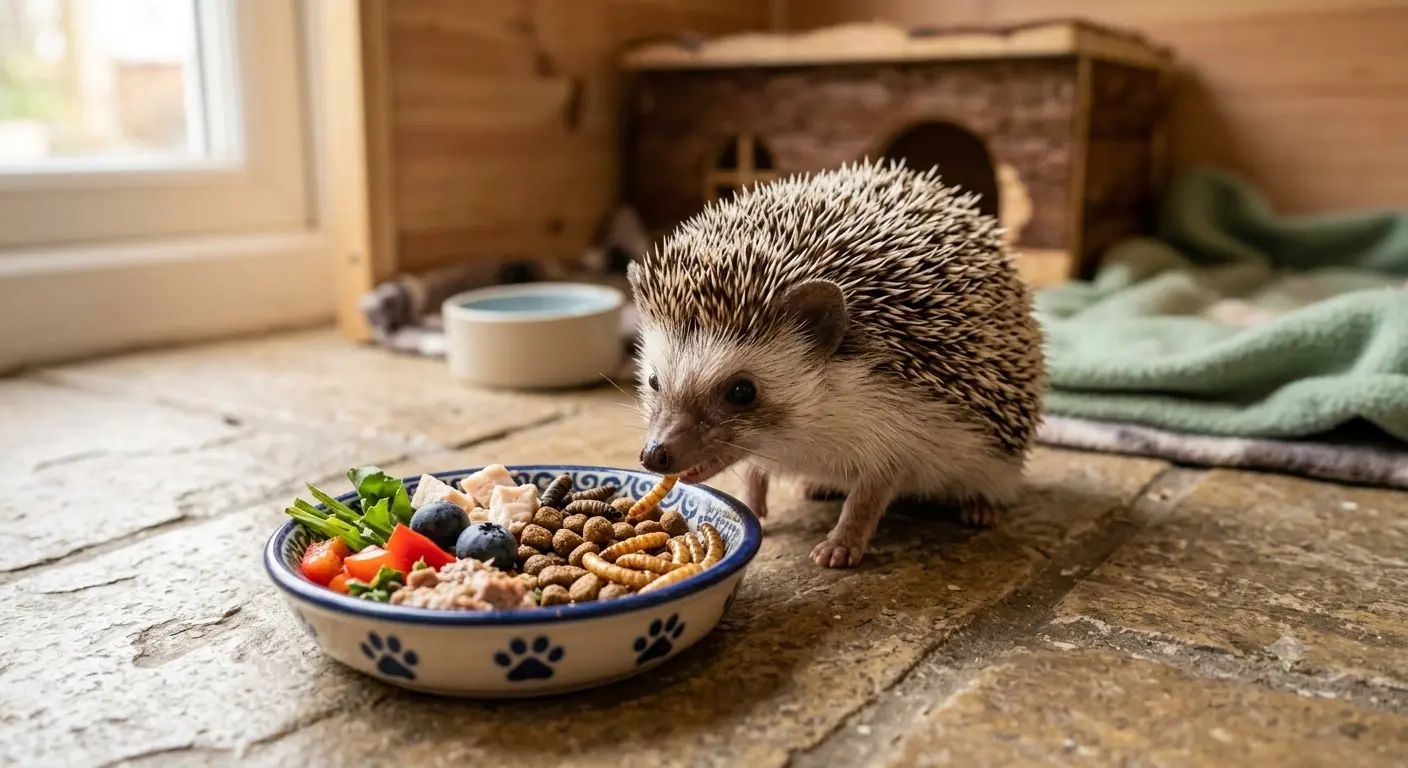
Chitin forms the exoskeleton of insects and functions as both a mechanical fiber and a prebiotic substrate, selectively feeding beneficial gut bacteria.
These species depend on this process for immune regulation and nutrient extraction. Without it, the gut microbiome of an insectivore doesn’t just underperform — it shifts toward a pathological state.
This isn’t a minor nutritional footnote; it’s a foundational biological requirement, alongside two others that commercial pellets routinely overlook:
- Pre-formed Retinol (Vitamin A): Many insectivorous species, like their reptilian counterparts, cannot convert beta-carotene into usable Vitamin A and require it delivered directly — as it is in whole prey.
- Species-appropriate protein ratios: Wild insect prey delivers amino acid profiles optimized for lean muscle maintenance, not the plant-derived protein isolates common in pellet binders.
- Low glycemic load: Wild diets carry almost zero digestible starch, keeping insulin responses stable across a short, active feeding window.
The idea that an obligate insectivore can simply “adapt” to a plant-heavy or carbohydrate-dense pellet diet is a persistent myth.
According to research on captive insectivore feeding, the digestive tracts of these animals lack the enzymatic machinery to efficiently process complex plant carbohydrates.
This means calories from fillers don’t just go unused; they actively accumulate as a metabolic burden.
What appears convenient in a bag often conceals serious long-term consequences, which is exactly where the pellet-only protocol begins to unravel.
The Hidden Dangers of the Pellet-Only Protocol
A pellet-only captive insectivore diet plan creates a slow-motion nutritional crisis that most owners don’t recognize until serious damage is already done.
According to research published in ScienceDirect via The Hedgehog Program, “obesity is one of the most common, and most underestimated, health issues in captive hedgehogs and tenrecs.”
That finding cuts to the heart of the pellet problem: calorie density without metabolic complexity.
High-fat ‘filler’ insects — commonly rendered into commercial pellets to hit palatability targets — deliver disproportionate lipid loads that wild insectivores would never encounter in nature.
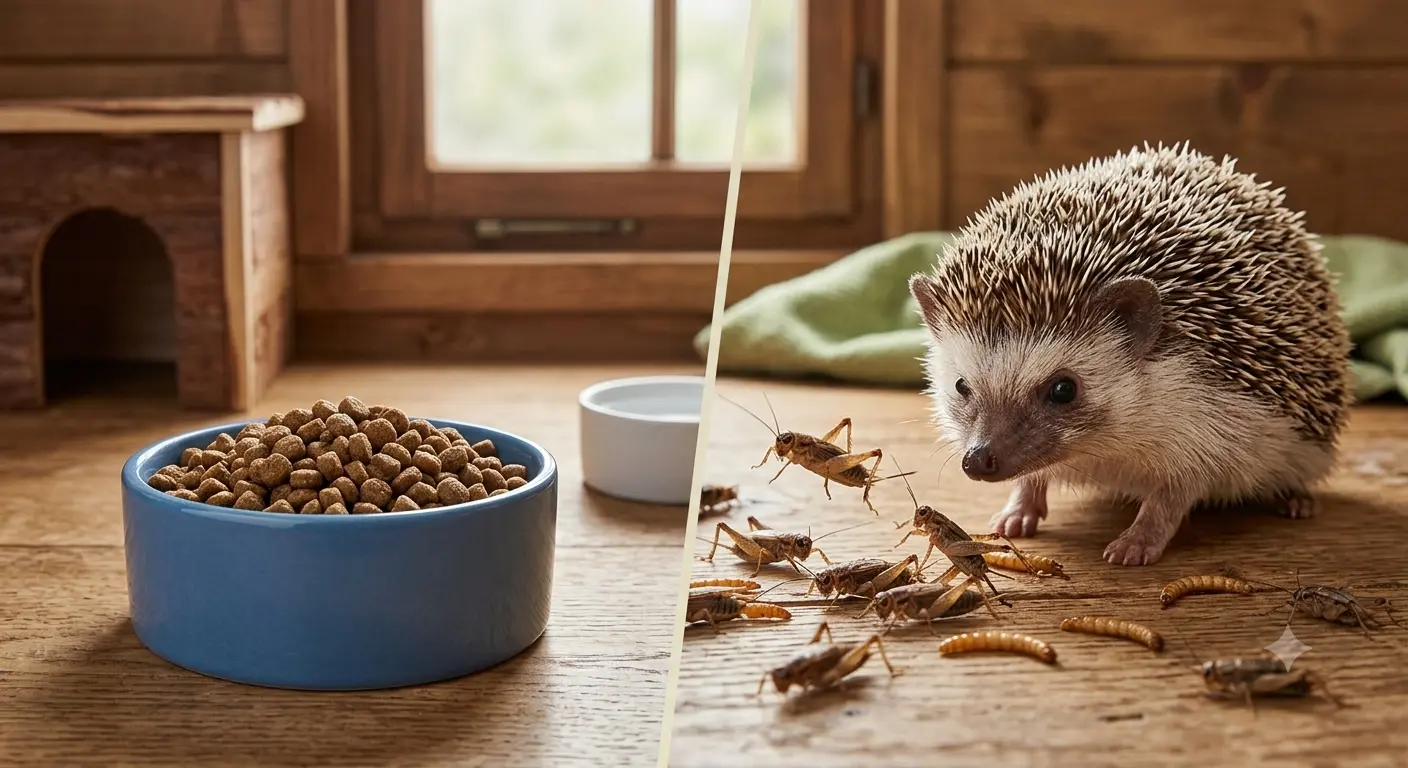
In practice, this chronic fat surplus overwhelms the liver’s processing capacity. Hepatic lipidosis, or fatty liver disease, is increasingly documented in captive hedgehogs fed soft, uniform diets.
This condition progresses silently until organ function deteriorates. The MSD Veterinary Manual notes that nutritional mismanagement remains a leading cause of preventable disease in captive insectivores.
Dental wear is another casualty of the pellet format. Wild insectivores grind through exoskeletons and hard-bodied prey continuously.
Soft, uniform kibble provides none of that mechanical resistance, contributing to periodontal disease — a condition that compounds systemic inflammation and further strains metabolic function.
The “complete diet” label is perhaps the most misleading element. Formulations calibrated for generalist mammals often ignore the dramatically faster metabolic rates of small insectivores.
What satisfies a ferret’s nutritional math can still leave a tenrec metabolically starved of the right micronutrient ratios — even at adequate calories.
Understanding exactly which ratios matter most, particularly calcium versus phosphorus, reveals why the problem runs even deeper than ingredient quality alone.
Cracking the Calcium-to-Phosphorus Code
The Ca:P ratio is the single most important nutritional metric for preventing Metabolic Bone Disease in captive insectivores — and most owners have never heard of it.
For vertebrates, the ideal calcium-to-phosphorus ratio sits between 1:1 and 2:1 (Ca:P). This balance keeps blood mineral levels stable, supports nerve function, and maintains bone density.
Drift outside that window consistently, and the body initiates a damaging self-correction process.
The “trap” insects are the real problem. Mealworms are arguably the most popular feeder insect in the hobby, yet they can contain 30 times more phosphate than calcium.
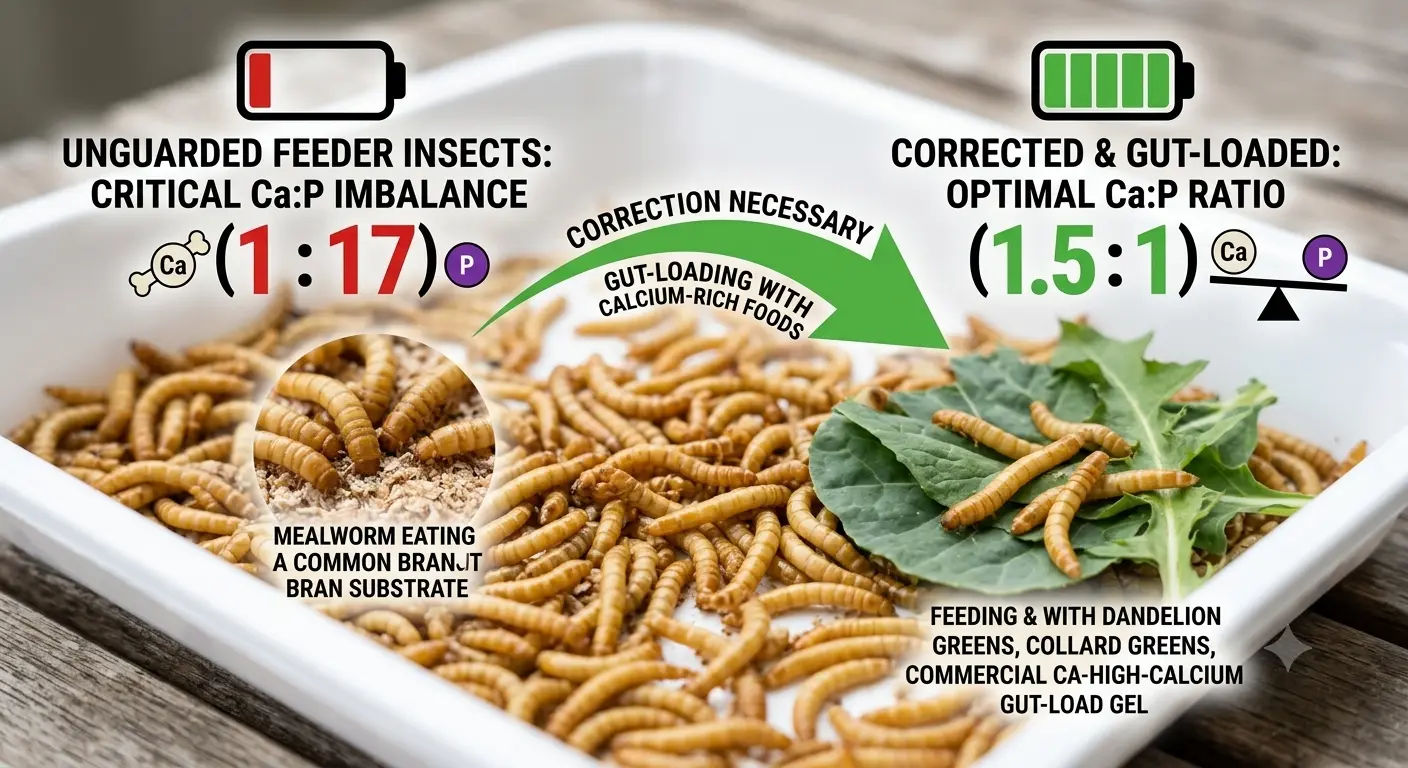
This produces a dangerous 1:17 Ca:P ratio, the precise inverse of what a healthy vertebrate body needs.
A diet anchored around mealworms, even supplemented by an insectivore pellet diet, creates a phosphorus overload that compounds over weeks and months.
The mechanism behind Metabolic Bone Disease (MBD) is essentially the body turning against itself.
When blood phosphorus runs chronically high, the parathyroid glands trigger calcium withdrawal from bone tissue to restore equilibrium.
Over time, bones soften, deform, and fracture — a process that’s often irreversible by the time symptoms appear.
Dusting alone cannot solve a severely inverted base diet. Research on supplementary calcium dusting confirms that while dusting does raise dietary calcium intake, it cannot overcome a feeder-insect profile that is structurally phosphorus-dominant.
The math simply doesn’t work at a 1:17 starting deficit. Correcting the ratio requires addressing the prey itself — which is exactly where the next piece of the puzzle comes in.
Gut Loading: Engineering Better Prey
Gut-loading is the single most powerful tool for closing the nutritional gap in any captive insectivore’s diet — and it costs almost nothing to do correctly.
Gut-loading means pre-feeding your feeder insects a nutrient-dense diet before offering them to your pet.
Think of the insect as a living delivery vehicle: whatever it eats in the hours before being fed gets transferred directly to your insectivore.
A cricket that’s been sitting in an empty container passes along almost nothing. A cricket that’s been eating optimally for 24–48 hours is a fundamentally different food item.
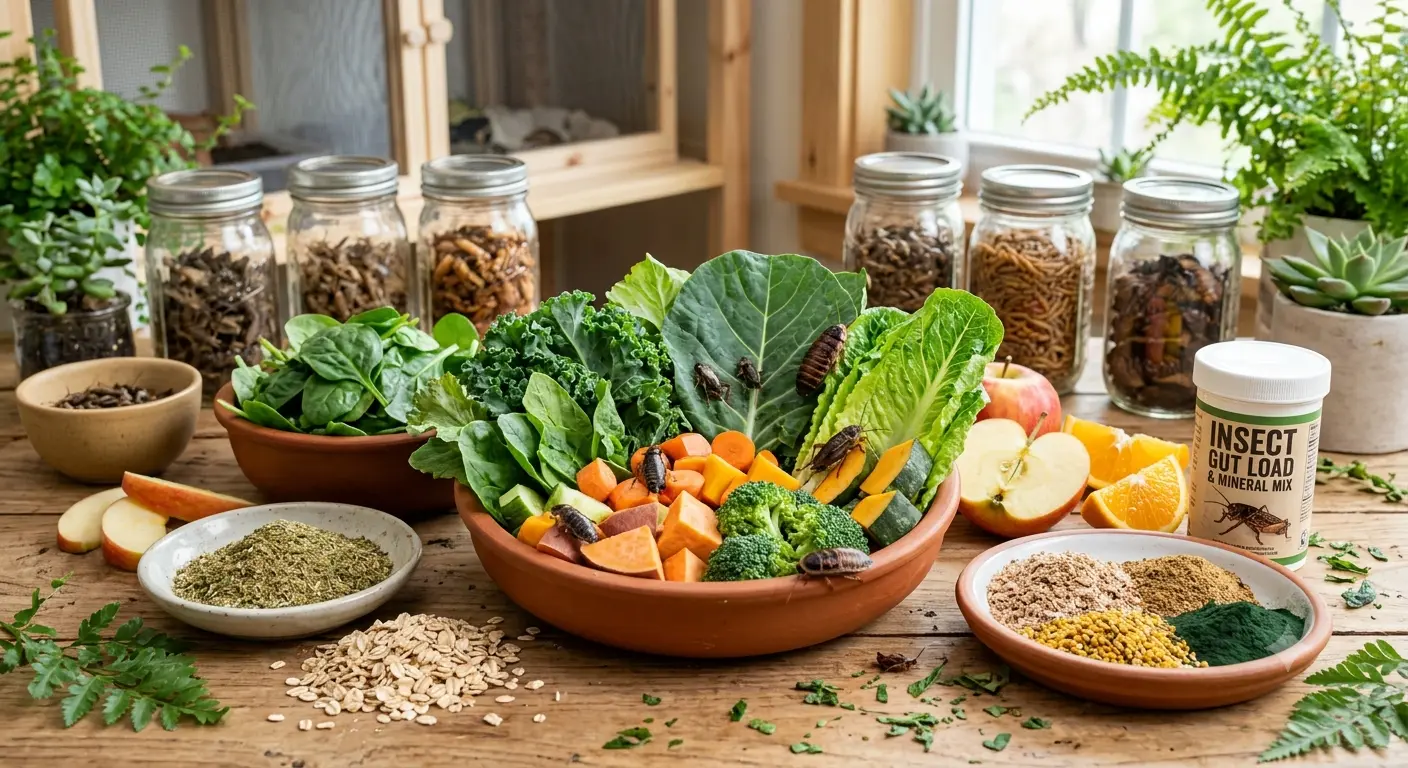
That 24-to-48-hour window is the critical variable. Research on gut-loaded mealworms shows that calcium content can climb from just 0.07% to over 3.5% dry matter within that timeframe alone — a roughly 50-fold increase.
Applying that same principle to your insectivore cricket diet is straightforward, but the ingredients matter enormously.
For maximum calcium uptake and minimal interference, the best gut-loading ingredients include collard greens, dandelion greens, and calcium-fortified commercial gut-load products.
Critically, avoid high-oxalate foods like spinach, which bind calcium and actively block absorption — the same skeletal damage pathway that leads to Metabolic Bone Disease.
It’s also worth distinguishing gut-loading from dusting, which involves coating insects externally with calcium or vitamin powder at feeding time.
Dusting is beneficial and adds a layer of supplementation, but it’s an external coating that animals may partially reject or that degrades quickly.
Gut-loading delivers nutrients internally, where absorption is far more reliable. According to research published in the Journal of Zoo and Aquarium Research (JZAR), neither method alone is sufficient — combining both produces the most consistent results.
With a stronger understanding of how to engineer feeder insects nutritionally, the next step is building those improved insects into a structured, science-backed feeding plan.
A Science-Backed Hedgehog Diet for Pets Strategy
A balanced hedgehog diet for pets isn’t about choosing live prey or pellets — it’s about using both strategically to cover every nutritional base your animal needs.
The most practical framework is the 70/30 rule: approximately 70% of the diet should come from live, gut-loaded insects, with the remaining 30% from a high-quality insectivore pellet to fill micronutrient gaps.
This structure applies whether you’re managing a wild hedgehog guide for pets, a captive tenrec, or an insectivorous lizard.
Pellets anchor the diet; live prey animates it. Rotating protein sources is just as critical as the ratio itself. Relying on a single feeder insect creates nutritional blind spots.
Feeder Insect Comparison & Rotation
| Feeder Insect | Nutritional Profile | Dietary Role |
|---|---|---|
| Crickets | Lean protein staple, excellent calcium carrier post-gut-loading | Weekly Staple |
| Dubia Roaches | High protein density, low fat, highly digestible | Weekly Staple |
| Black Soldier Fly Larvae (BSFL) | Naturally high calcium, excellent Ca:P ratio balance | Weekly Staple |
| Waxworms | Extremely high fat content (~22% lipids) | Occasional Treat Only |
| Mealworms | Highly inverted Ca:P ratio (1:17 starting deficit) | Occasional Enrichment Only |
Waxworms are the classic trap — animals love them, but their fat content makes them suitable only as an occasional reward, not a dietary foundation. Mealworms fall into a similar category.
Reserve these for enrichment, not routine feeding. The Ca:P issues explored in earlier skeletal health context apply directly here.
For hedgehogs specifically, monitor body condition weekly. Healthy animals should uncurl readily when placed on a flat surface.
Persistent ball-curling at handling can signal pain, weakness, or metabolic stress, often tied to dietary deficiency.
Weight loss below species-typical ranges alongside behavioral changes warrants an immediate diet audit.
Putting these principles into consistent practice is where theory becomes results — the next section distills everything into the core husbandry rules that make the biggest difference.
Key Takeaways for Optimal Husbandry
Optimal insectivore care comes down to five evidence-based principles that every owner should internalize before the next feeding session.
The foundation of metabolic health is live, gut-loaded prey — not pellets alone. As covered in the diet plan section, pellets fill gaps but cannot replicate the enzymatic activity, hydration, and behavioral enrichment that live insects deliver.
Gut-loaded feeders remain your highest-leverage tool to mimic a natural biological profile.
- Prioritize gut-loaded live prey as the dietary staple, using species-appropriate pellets as a strategic supplement rather than a replacement.
- Maintain a Calcium-to-Phosphorus ratio of at least 1:1. A skewed ratio is the direct driver of metabolic bone disease — a painful, progressive condition that becomes irreversible if caught late.
- Rotate chitin-rich insects — crickets, black soldier fly larvae, dubia roaches — to support gut motility and satisfy natural foraging instincts.
- Limit high-fat feeders. Mealworms and waxworms are treats, not staples. Chronic overuse leads to hepatic lipidosis and obesity that compound over years.
- Use pre-formed Vitamin A (Retinol) for specific obligate insectivores, not beta-carotene. Many species lack the enzymatic pathway to convert plant-based precursors into usable Vitamin A.
Getting these five variables right consistently is what separates animals that merely survive captivity from those that genuinely thrive — and it’s what the final section will build on.
Bridging the Gap Between Science and Care
Dietary management is the single most controllable factor in exotic pet longevity — and for insectivores, that truth carries real weight.
According to exotic pet health data, dietary mismanagement is the leading cause of obesity and organ failure in captive African Pygmy hedgehogs.
That statistic isn’t a warning label to skim past; it’s a call to raise your standards.
Pet store advice, while well-meaning, rarely reflects veterinary-grade nutritional science.
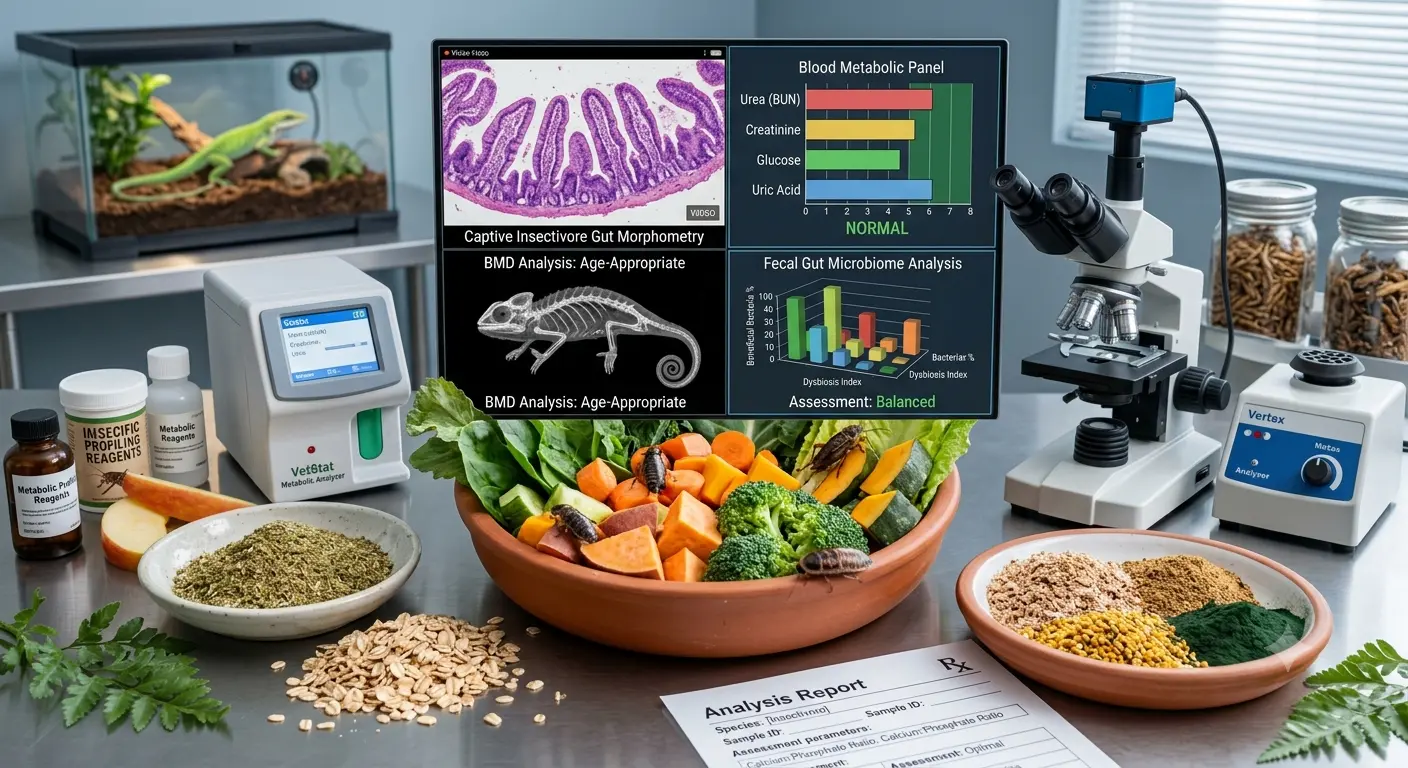
Moving toward evidence-based care means consulting species-specific resources, asking your exotic vet about chitin for hedgehogs and other fiber sources, and treating feeding schedules as living documents.
These protocols must evolve with your animal’s age and health. What worked at six months may not serve a three-year-old hedgehog experiencing metabolic slowdown.
Regular weight checks are a non-negotiable part of that monitoring.
A simple weekly weigh-in catches subtle losses or gains before they spiral into clinical problems — the same way diet-related conditions like MBD develop quietly until the damage is already done.
Pair consistent weigh-ins with quarterly vet visits and you close most of the gap between reactive and proactive care.
Closing the chitin gap isn’t complicated — it just requires intentionality. Ready to go deeper? Explore the species-specific care guides at dynamic exotic pet platforms for diet plans grounded in current exotic animal nutrition research.
Frequently Asked Questions (FAQs)
Q1: Can I feed my hedgehog a pellet-only diet if it is labeled “complete”?
A1: No. A pellet-only diet lacks foundational structural components like chitin and adequate mechanical resistance. This often leads to obesity, hepatic lipidosis (fatty liver disease), and severe periodontal issues due to soft, uniform textures.
Q2: What is the ideal Calcium-to-Phosphorus (Ca:P) ratio for captive insectivores?
A2: The target mineral balance should remain between 1:1 and 2:1 (Calcium to Phosphorus). Inverted ratios, such as the 1:17 ratio found naturally in mealworms, trigger calcium depletion from bone tissues and cause Metabolic Bone Disease (MBD).
Q3: What is the difference between gut-loading and dusting feeder insects?
A3: Gut-loading involves feeding the live insects nutrient-dense foods (like collard or dandelion greens) for 24-48 hours before feeding them to your pet, delivering nutrients internally. Dusting is an external coating applied right before consumption. Combining both methods yields the best results.
Q4: Why are high-oxalate foods like spinach avoided in insectivore diets?
A4: High-oxalate foods contain compounds that bind directly to calcium, actively blocking its absorption within the gut. This exacerbates skeletal mineral deficiencies and accelerates metabolic bone decay.