
Are you wondering how many axolotl species are there? Discover the difference between the wild species and the various morphs found in captivity in this complete guide.
1 Ultimate Guide: How Many Axolotl Species Are There Today?
The Axolotl (Ambystoma mexicanum) has captured the hearts of exotic pet enthusiasts and scientists alike. With their smiling faces and incredible regenerative abilities, they are truly one of nature’s wonders.
But a common question arises among beginners and experts: How many axolotl species are there? To answer this, we must look closely at the scientific classification of these unique amphibians.
It is highly essential to distinguish between a “species” and a “morph” to understand them fully. In this comprehensive guide, we will dive deep into the world of axolotls, their origins, and their fascinating variations.
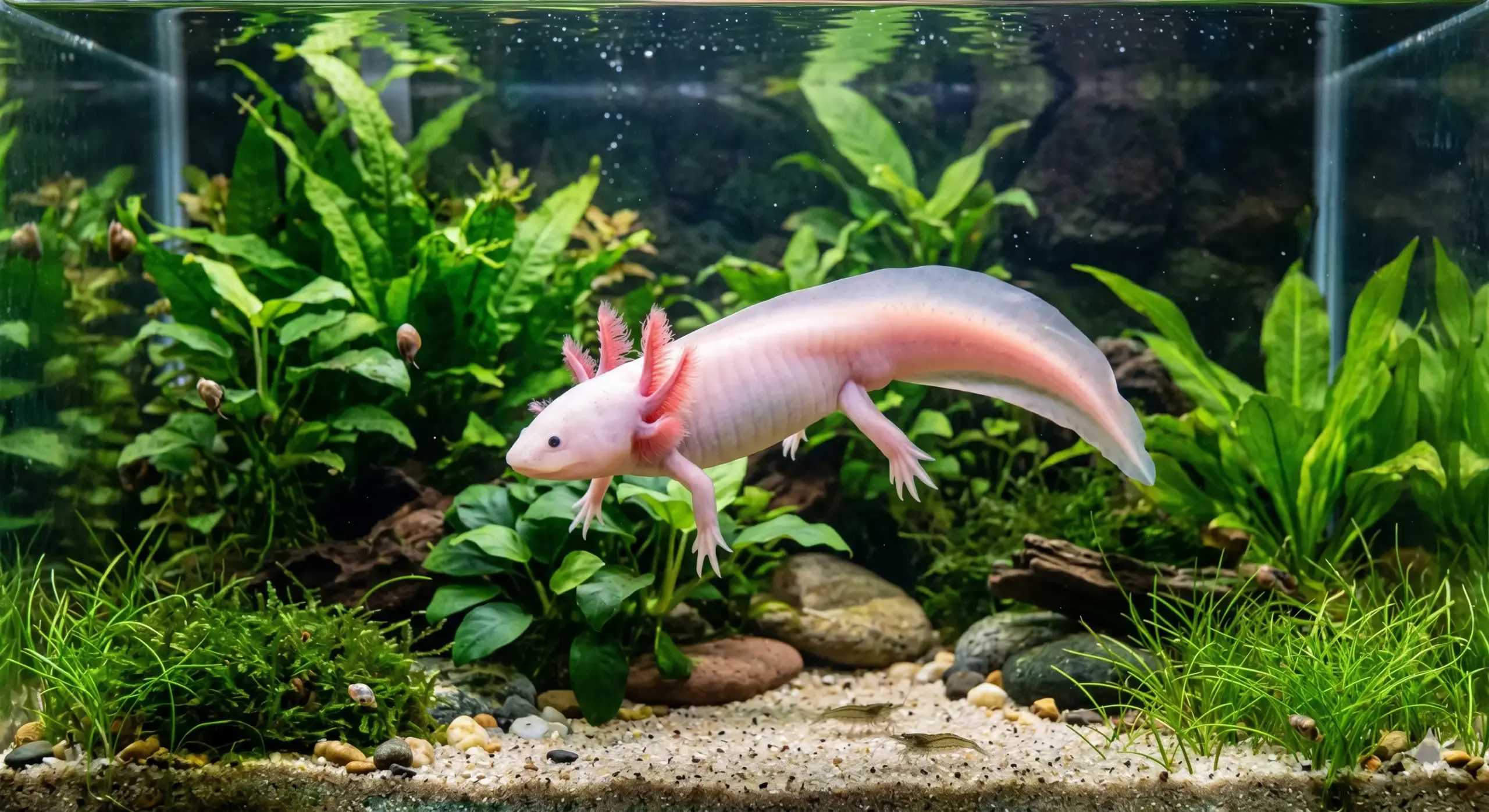
Understanding the Scientific Classification of Amphibians
Technically and scientifically, there is only one species of axolotl: the Ambystoma mexicanum. While people often see different colors like pink, gold, or black and think they are different species, these are actually “morphs” within the same single species.
The unique axolotl belongs to the genus Ambystoma, which includes many other types of tiger salamanders found across North America. However, the Ambystoma mexicanum stands out because it is “neotenic,” meaning it retains its juvenile traits forever.
Because of neoteny, they keep their feathery external gills and stay completely aquatic throughout their entire life cycle. This biological marvel often sparks the curiosity of hobbyists who wonder how many axolotl species are there in the wild.
The Vital Distinction: Species vs. Morphs
When people ask how many axolotl species are there, they are usually confused by the wide variety of colors available in pet stores. It is essential to understand the biological difference between these terms:
- Species: A biological group of organisms that can interbreed and produce fertile offspring. Culturally and scientifically, there is only 1: Ambystoma mexicanum.
- Morphs: Genetic mutations that directly affect skin color, eye color, and pattern variations. There are over 20 different morphs recognized in the global pet trade today.
Therefore, looking at a golden or a black salamander doesn’t mean you are looking at a different animal. They are all genetic brothers and sisters belonging to the same singular tree of life.
The Wild Axolotl: The Original Species
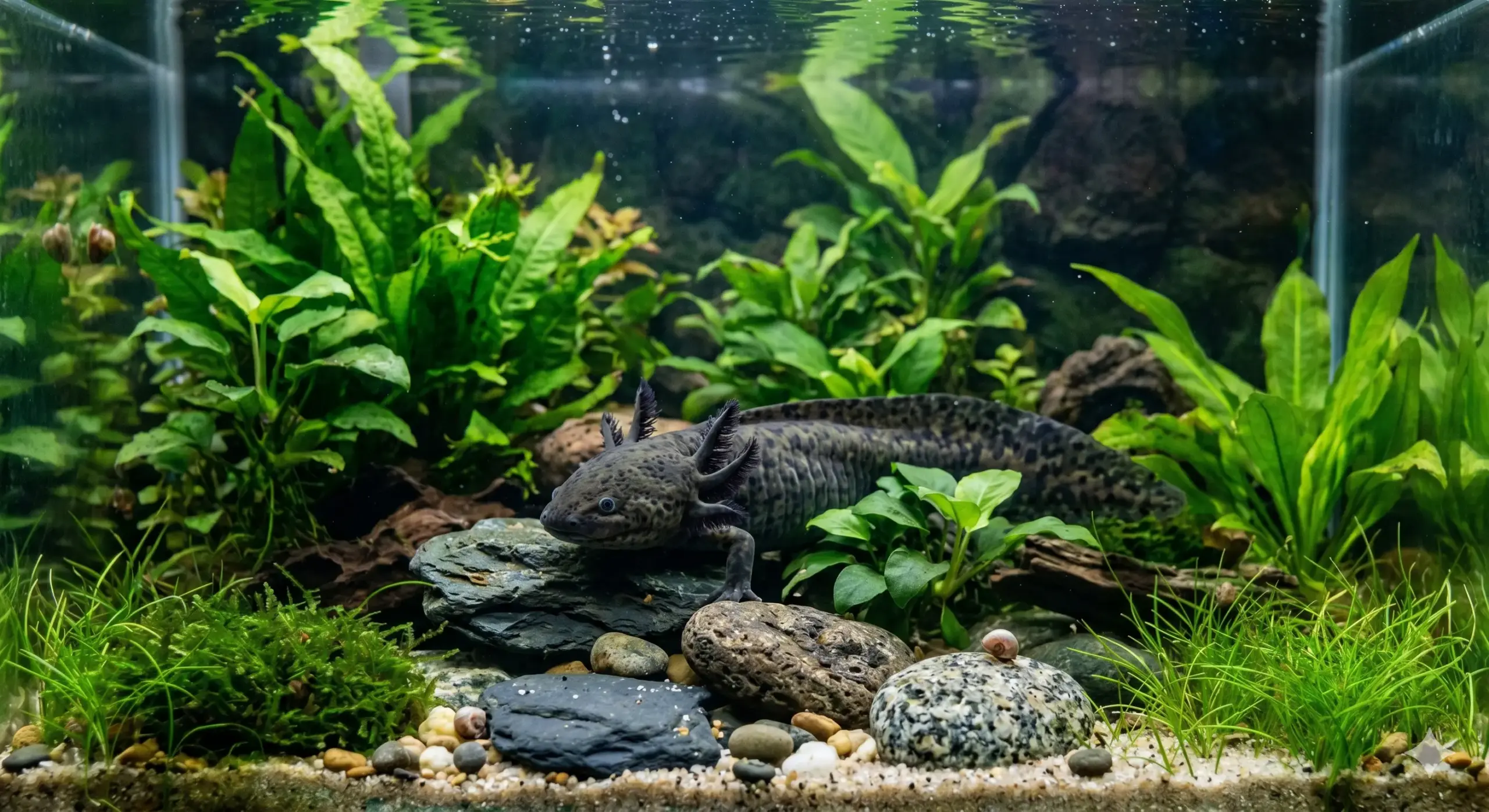
In the wild, the Ambystoma mexicanum only exists in the high-altitude Lake Xochimilco complex located near Mexico City. The original “wild type” axolotl is completely different from the iconic pink creature we often see in viral photos online.
Their skin exhibits a mottled dark brown, olive green, and black pattern. This dark coloring provides perfect natural camouflage in the muddy waters and deep canals of their native Mexican habitat.
Sadly, the wild species is currently listed as critically endangered due to rapid pollution, urban sprawl, and invasive fish species. This ecological crisis makes understanding how many axolotl species are there even more crucial for worldwide conservation efforts.
Popular Axolotl Morphs (The Colors People Confuse with Species)
If there is only one species, why do they look so remarkably different from one another? Dedicated breeders have isolated specific recessive genes over generations to create stunning color variations. Here are the most common ones:
1. Leucistic Axolotl (The Pink One)
This is undoubtedly the most famous variety in the entire world. They have translucent white or light pink skin contrasted with bright red or pink feathery gills. They are often mistaken for albino axolotls, but they possess dark, expressive eyes.
2. White Albino
Highly similar to the Leucistic variant, but they completely lack all dark melanin pigment, including within their eyes. Their eyes appear totally clear or pinkish-red, and they are notoriously sensitive to bright aquarium lighting.
3. Golden Albino
These are stunning, radiant creatures that genuinely look like they are crafted from pure gold. They feature a beautiful yellow-gold skin tone and shiny, reflective spots called iridophores along their bodies.
4. Melanoid
Often referred to as the “Goth” of the aquatic salamander world. They are completely black or dark charcoal blue-gray with absolutely no reflective pigments, giving them a sleek, uniform matte appearance.
5. Rare Morphs: Chimeras and Enigmas
A Chimera is a rare genetic accident where two distinct embryos fuse together into one, resulting in an axolotl split perfectly down the middle with two different colors. The Enigma is an incredibly rare, darkly pigmented morph featuring unique greenish-gold patches.
Why Is the Axolotl Species Unique?
Beyond the fundamental question of how many axolotl species are there, we must address why the Ambystoma mexicanum is so scientifically significant. According to international biological studies published by the International Union for Conservation of Nature (IUCN), their biology is extraordinary.
Their primary marvel is biological neoteny. Unlike other standard salamanders, they never undergo complete metamorphosis to grow up and move onto land. They remain permanent water-dwelling juveniles forever.
Furthermore, their advanced regenerative abilities allow them to perfectly regrow lost limbs, tail sections, heart tissue, and even parts of their brain without any scarring. This incredible superpower is why they are studied extensively in medical research labs globally.
Conservation Status: Protecting the Only Species
While there are millions of axolotls living happily in research labs and home aquariums worldwide, the true wild species is on the brink of total extinction. Recent environmental surveys suggest there may be fewer than 1,000 individuals left in their natural habitat.
When we discuss how many axolotl species are there, we must remember our ecological responsibility. If the wild Ambystoma mexicanum goes extinct in nature, we lose a vital, irreplaceable piece of evolutionary history.
Supporting sustainable breeding practices and habitat restoration programs in Mexico is essential. By doing so, we can ensure that future generations can appreciate these magnificent walking fish in their original home.
Summary Matrix: Species Facts at a Glance
| Feature | Scientific Description |
|---|---|
| Scientific Name | Ambystoma mexicanum |
| Common Name | Axolotl / Mexican Walking Fish |
| Number of Species | One (1) single distinct species |
| Number of Morphs | 20+ unique genetic color variations |
| Natural Habitat | Lake Xochimilco complex, Mexico |
| Conservation Status | Critically Endangered (IUCN Red List) |
Frequently Asked Questions (FAQ)
Q: Are there any other species similar to axolotls?
A: Yes! The Anderson’s Salamander (Ambystoma andersoni) is very similar and also entirely neotenic. However, it is a completely distinct species found in a different lake in Mexico, meaning it is not the same animal.
Q: Can different axolotl morphs live together in the same tank?
A: Absolutely! Since they all belong to the exact same species (Ambystoma mexicanum), different color morphs can live peacefully in the same aquarium, provided they are of the same relative size to prevent nipping.
Q: Why are they commonly called “Mexican Walking Fish”?
A: It is purely a popular historical nickname. They are absolutely not fish; they are true amphibians that develop legs with tiny toes, allowing them to easily “walk” along the muddy bottom of their aquatic habitat.
Conclusion
In summary, while you may see dozens of dazzling colors and patterns in pet shops, the answer to how many axolotl species are there is scientifically simple: there is only one species, the Ambystoma mexicanum. The vast diversity we enjoy today is purely thanks to fascinating genetics and dedicated captive breeding.
Whether you choose to own a pink Leucistic, a bright Golden Albino, or a dark Melanoid, you are caring for a unique creature that is a true miracle of the natural world. Let’s work together to keep the interest in axolotls alive and actively support conservation efforts for the wild species in Mexico.