
Watching a tiny, fragile hatchling transform into a majestic, head-bobbing reptile is one of the most rewarding journeys a reptile keeper can experience. Your small scaly companion grows remarkably fast during its first several months of life, leaving many pet owners wondering exactly when the rapid growth stops. Understanding these developmental milestones is essential for providing optimal husbandry, lighting, and environmental care through each unique life stage.
Quick Answer: A bearded dragon is officially considered an adult when they reach 12 to 18 months of age. At this developmental milestone, their skeletal growth significantly plateaus, their sexual maturity is fully established, and their nutritional requirements shift drastically from high-protein insect tracking to a primarily herbivorous lifestyle.
As your pet crosses into maturity, its daily requirements evolve completely. Knowing exactly when is a bearded dragon considered an adult allows you to modify their habitat setup and balance their macro-nutrients properly to prevent chronic conditions like obesity or hepatic lipidosis. Let us dive deep into the specific growth charts, behavioral markers, and dietary adjustments needed to support your pet through this major transition.
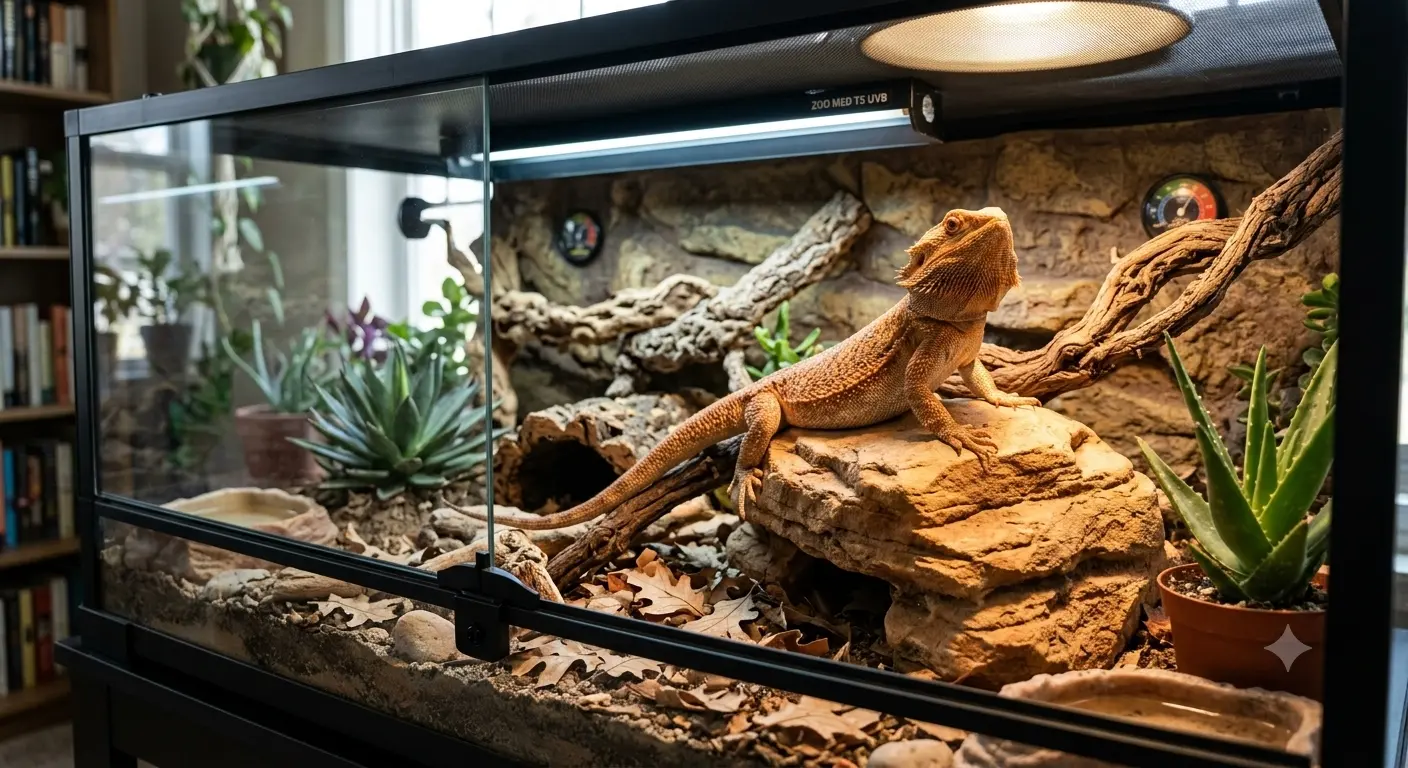
Bearded Dragon Size Chart by Age
Growth tracking is an excellent way to monitor the overall health of your juvenile reptile. While individual genetics, ambient temperatures, and historical UVB exposure play substantial roles in determining final structural proportions, most dragons follow a highly predictable developmental timeline during their first two years.
During the primary hatchling stage, which spans from birth to about two months, growth is dynamic and rapid. Following this phase, your pet enters the active juvenile stage, stretching from two to seven months, where they gain several inches in length every single month. Tracking these physical updates carefully ensures your animal is developing normally without structural stuntedness.
The subadult phase follows closely from 8 to 11 months, bridging the gap before true physical maturity. At this point, length gains slow down significantly, and the reptile begins to widen out, building muscle density and fat reserves. Let us look at the standard structural development metrics that professional herpetologists look for during these growth phases.
| Age Group / Life Stage | Typical Length Range | Average Weight Range | Primary Diet Composition |
|---|---|---|---|
| Hatchling (0 – 2 Months) | 3 – 4 Inches | 4 – 6 Grams | 80% Live Insects / 20% Greens |
| Juvenile (2 – 7 Months) | 6 – 16 Inches | 20 – 250 Grams | 80% Live Insects / 20% Greens |
| Subadult (8 – 11 Months) | 16 – 19 Inches | 250 – 400 Grams | 50% Live Insects / 50% Greens |
| Mature Adult (12 – 18+ Months) | 18 – 24 Inches | 400 – 550+ Grams | 20% Live Insects / 80% Greens |
Once your lizard surpasses the 18-month mark, structural growth concludes completely. Any subsequent weight fluctuations usually reflect muscle development or fat accumulation rather than skeletal lengthening. Keeping a digital kitchen scale handy helps monitor these subtle weight patterns safely over time.
Adult Bearded Dragon Tank Size Requirements
A miniature enclosure might work comfortably for a small juvenile, but it quickly becomes hazardous as your pet approaches maturity. When is a bearded dragon considered an adult, their physical workspace must expand significantly to accommodate their length and allow for a proper thermal gradient across the habitat floor.
Providing ample space is not just about physical luxury; it directly impacts their psychological well-being and metabolic health. Inadequate room restricts movement, leads to joint stiffness, and prevents the creation of distinct hot and cool zones within the enclosure, which are crucial for self-regulated thermoregulation.
The 120 Gallon Bearded Dragon Tank Standard
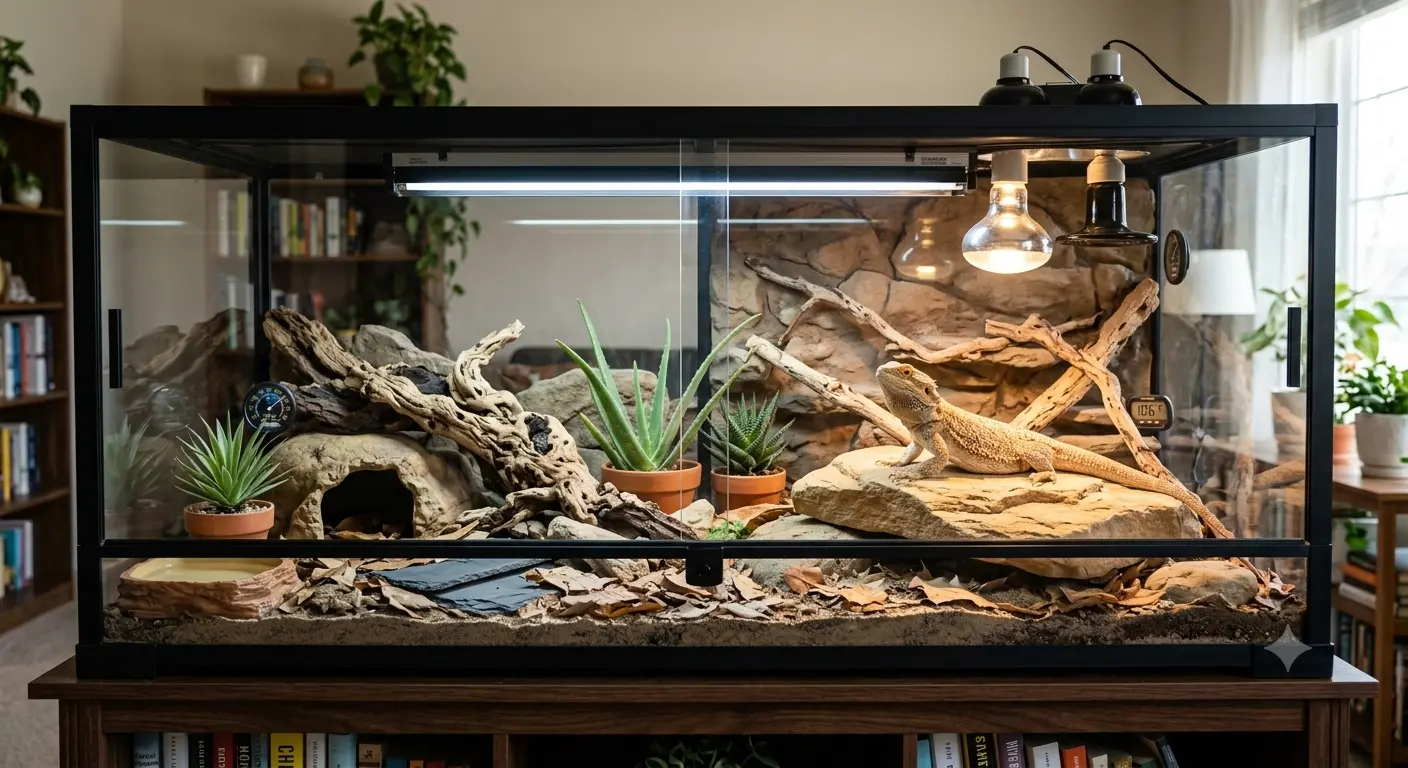
The absolute gold standard for a fully grown reptile is a 120 gallon bearded dragon tank. The structural dimensions of this specific enclosure measure 4 feet by 2 feet by 2 feet. This footprint gives your fully grown pet enough room to turn around completely without hitting their tail against glass walls.
When selecting your adult bearded dragon tank size, always prioritize floor surface area over vertical height. These animals are semi-arboreal, meaning they enjoy climbing low structures, but they primarily utilize horizontal ground space for foraging, walking, and displaying natural behaviors like basking or digging.
Adult Bearded Dragon Diet Adjustments
The most profound change that occurs when transitioning into maturity is nutritional. Growing juveniles require an abundance of protein to construct bone tissue, scales, and muscle fibers. However, continuing to feed an adult lizard like a growing juvenile can lead to severe metabolic complications and systemic organ failure.
An optimal mature feeding routine consists of roughly 80% fresh leafy greens and vegetables, with only 20% dedicated to live feeder insects. High-protein items should become an occasional supplement rather than the main focus of daily meals. This nutritional balance prevents excessive strain on their renal systems.
Excellent daily staples include nutrient-rich greens like mustard greens, turnip greens, collard greens, and escarole. For your companion’s live insect portions, prioritize gut-loaded dubia roaches, black soldier fly larvae, and occasional crickets. If you are curious about specific intake frequencies for younger lizards, look into our detailed analysis on bearded dragon how much do they eat to understand the full dietary spectrum across their early developmental timeline.
Calcium supplementation remains vital throughout their entire lifespan to prevent skeletal issues. Dust their salads or live prey items with high-quality calcium powder daily, and ensure your specialized T5 UVB lighting arrays are updated every six to twelve months to guarantee proper vitamin synthesis.
A Transition of Patience and Observation
Two years ago, a lively little reptile named Rocky came into my life, completely flipping my morning schedule upside down. He was a tiny, high-energy hatchling who wouldn’t look twice at a piece of green leafy matter, ignoring every fresh bowl I placed meticulously inside his home. I spent countless afternoons worrying myself sick, trying a popular finely-chopped squash method recommended on old internet message boards that turned out to be a messy, uneaten failure.
One damp Tuesday morning, while cleaning out his climbing branches, I accidentally dropped a large, unchopped leaf of dark mustard greens right onto his favorite basking rock. To my absolute astonishment, Rocky stared at it with his head tilted, walked over slowly, and aggressively munched the entire leaf down with genuine enthusiasm. That clumsy moment taught me that every single reptile possesses unique quirks, requiring us keepers to stay flexible, watch their non-verbal cues closely, and patiently experiment until we figure out what works perfectly for them.
Observing your animal’s shifting preferences is a natural part of becoming a seasoned reptile keeper. When your pet begins refusing insect feedings or shows a sudden curiosity toward fresh vegetables, they are often giving you clear visual clues that their inner metabolic clock is shifting directly into maturity.
Behavioral Changes in Mature Reptiles
Beyond physical measurements and nutritional shifts, behavioral indicators offer deep insights into maturity. When is a bearded dragon considered an adult, you will notice a distinct settling of their general demeanor. The hyperactive, skittish running characteristic of young juveniles transforms into calm, observant confidence.
Territorial behaviors also become significantly more pronounced during this period. Mature males will frequently display dark black beards and perform rhythmic head-bobbing sequences to assert dominance over their visible space. Females might engage in slow, deliberate arm-waving gestures to signal compliance or acknowledge your presence in the room.
Brumation is another major milestone that mature reptiles may experience. This natural, hibernation-like state usually occurs during cooler autumn or winter months, where your adult pet may sleep for weeks at a time. Recognizing the difference between normal brumation and lethargy caused by underlying health conditions is an essential skill for every keeper. For advanced reptile medical guidelines, you can consult professional diagnostic resources like the Association of Reptile and Amphibian Veterinarians (ARAV).
Frequently Asked Questions
1. How do I know if my bearded dragon is done growing?
Your reptile is generally done growing when they reach 18 months of age and maintain consistent length measurements for three consecutive months. Regular weighing on a gram scale will show weight stability rather than rapid, continuous weekly increases.
2. Can an adult bearded dragon live comfortably in a 40-gallon tank?
No, a 40-gallon enclosure is far too restrictive for a mature individual. A fully grown adult requires a minimum of a 120-gallon enclosure to safely stretch out, move naturally, and properly regulate their internal body temperature along an effective thermal gradient.
3. Why is my adult bearded dragon refusing to eat live insects?
This behavior is often a completely normal indication of their shifting dietary needs. Mature adults only require protein feedings two to three times per week, as their bodies naturally prioritize a fiber-rich, herbivorous diet consisting of leafy green vegetables.
4. At what age do bearded dragons reach sexual maturity?
Most individuals attain sexual maturity between 8 and 12 months of age. While they may physically look capable of reproduction at this stage, it is safest to wait until they are fully developed adults at 18 months before considering any breeding projects.
Conclusion
Pinpointing exactly when is a bearded dragon considered an adult involves looking at the complete picture of their age, structural dimensions, nutritional adaptations, and behavioral changes. Reaching the 12 to 18-month milestone marks the beginning of an exciting, low-maintenance phase of companionship with your scaly friend.
By upgrading your pet to a spacious 120-gallon enclosure, adjusting their daily salads to an 80% greens ratio, and providing correct environmental parameters, you ensure a long, vibrant life for your reptile. Enjoy this rewarding adult chapter with your companion—they have earned their royal basking spot!