Caring for a scaly companion brings immense joy, but handling daily terrarium maintenance often raises urgent health questions. If you have ever cringed while cleaning out a vivarium, wondering about invisible biological hazards, you are certainly not alone.
Direct Answer: Yes, is bearded dragon poop toxic to humans and other pets because it frequently harbors harmful zoonotic bacteria, most notably Salmonella, alongside internal parasites like Coccidia. While not poisonous like snake venom, contact with raw reptile waste can cause severe gastrointestinal illness, fever, and dangerous infections in mammals.
Read on to discover critical safety protocols, proper sanitization routines, and real-world tips to keep your household completely safe while caring for your reptile!
Understanding the Biological Hazards in Reptile Waste
To evaluate if is bearded dragon poop toxic to your family, one must first look at the microscopic ecosystem existing inside a healthy reptile’s digestive tract. Captive reptiles naturally carry various microscopic organisms that aid their digestion without causing the host any active clinical symptoms.
However, when these organisms shed through bodily waste, they cross the species barrier. Humans, dogs, and cats possess entirely different immune systems that are not equipped to handle high concentrations of enteric pathogens shed by exotic cold-blooded animals.
The primary concern stems from Gram-negative bacteria living quietly within the gut flora. When fecal matter accumulates under high basking temperatures and humidity, these microbial populations explode exponentially within hours, transforming minor spots into biohazardous hotspots.
Major Pathogens: Salmonella and Parasitic Risks
The most pervasive biological threat associated with reptile droppings is Salmonella. According to health reports from the Centers for Disease Control and Prevention (CDC), reptiles are natural reservoirs for this bacterium, shedding it periodically even when looking perfectly vibrant and healthy.
When asking if is bearded dragon poop toxic, it helps to understand that infection does not require direct ingestion of solid waste. Microscopic microscopic particles easily transfer to hands, clothing, enclosure glass, and furniture via cross-contamination.
- Salmonellosis Symptoms in Humans: Severe abdominal cramps, persistent diarrhea, high fever, vomiting, and potential dehydration.
- High-Risk Vulnerable Groups: Infants, young children under five, elderly adults, and immunocompromised individuals face severe complications.
- Internal Parasites: Droppings can contain Coccidia, Pinworms, and Giardia, which spread rapidly to secondary family pets.
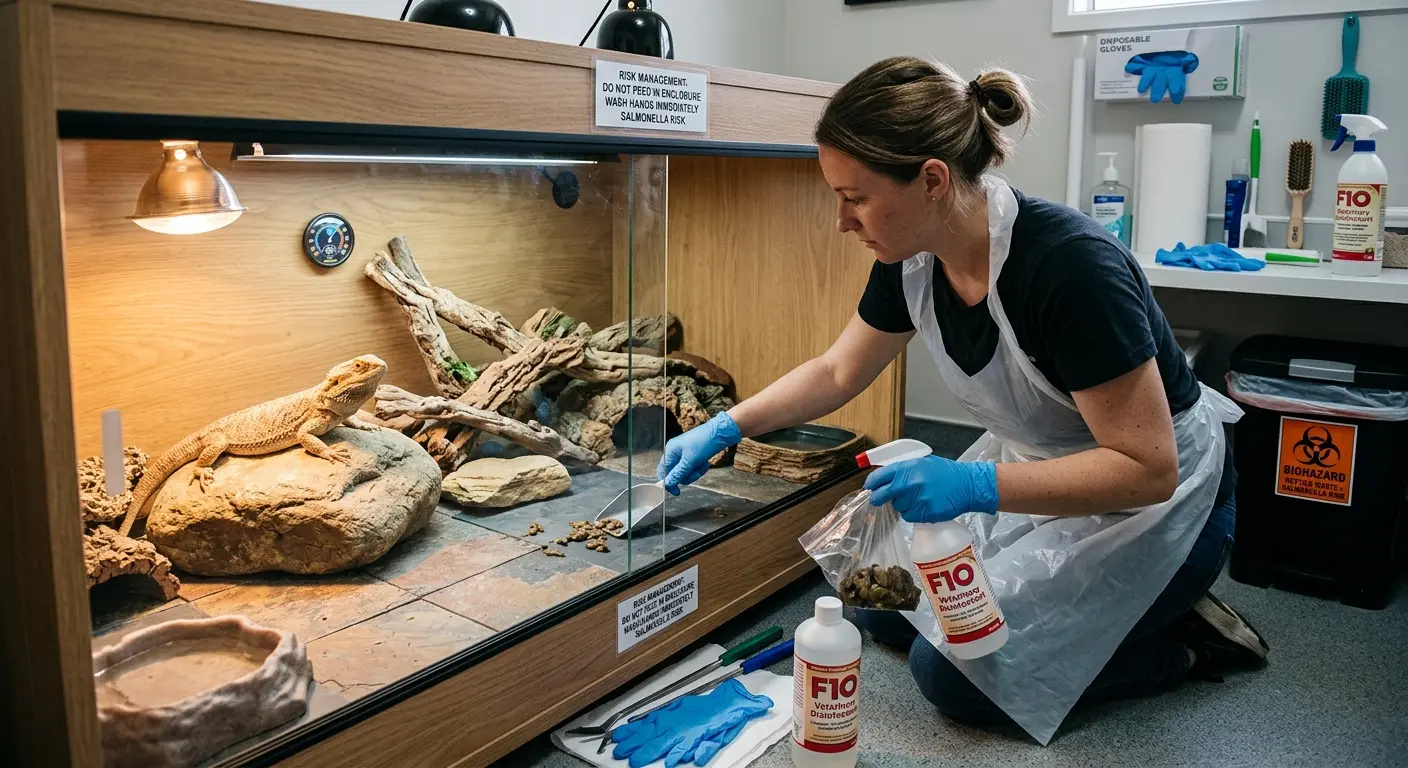
Is Bearded Dragon Poop Toxic to Household Dogs and Cats?
Pet owners frequently worry when a curious dog sniffs closely around the vivarium or attempts to sample stray fecal matter. Mammalian pets are highly susceptible to bacterial gastroenteritis and parasitic infestation if they ingest or lick raw reptile droppings.
If a dog ingests reptile waste, Salmonella colonies can rapidly induce severe bloody diarrhea, acute lethargy, persistent fever, and dangerous systemic dehydration. Immediate veterinary evaluation becomes necessary to prevent organ strain or systemic septic shock in smaller breeds.
Additionally, parasitic organisms like Coccidia present significant cross-contamination risks. While some parasite strains are species-specific, others cause severe intestinal distress across mammalian hosts, leading to costly veterinary treatments and lengthy recovery phases.
Safely Managing Accidental Exposure and Contact
Accidental contact happens even to the most cautious keepers during rapid spot-cleaning sessions. Knowing exactly how to respond minimizes disease transmission risks instantly before bacteria take root on surfaces or biological tissue.
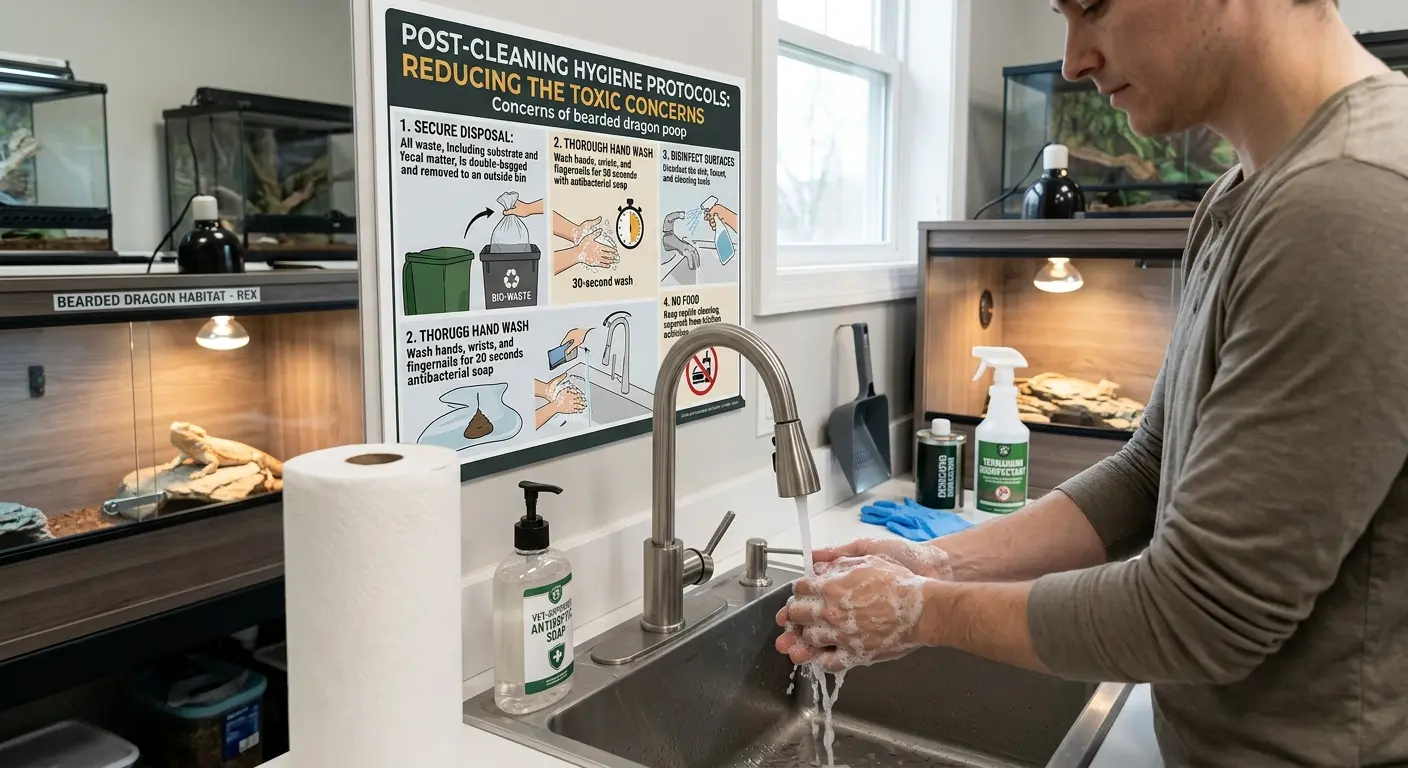
If skin contacts fecal matter directly, wash immediately with antibacterial soap under warm running water for at least twenty seconds. Avoid touching your face, mouth, eyes, or personal belongings until hand washing is thoroughly completed.
For deep surface contamination on household items, isolate the item immediately. Apply an EPA-registered disinfectant or diluted bleach solution, allowing appropriate contact time before wiping the area completely clean with disposable paper towels.
Essential Personal Hygiene Standards for Reptile Keepers
Preventing cross-contamination relies entirely on establishing non-negotiable personal hygiene routines during daily terrarium maintenance. Treating every drop of waste as potentially infectious eliminates room for careless oversights.
Never perform enclosure maintenance in kitchens, dining rooms, or areas where human food is prepared or stored. Cross-contamination often occurs subtly when microscopic fecal particles settle on cooking utensils or counter surfaces.
Always wash your hands rigorously after handling your pet, cleaning their enclosure accessories, or feeding them live insects. Installing a dedicated hand sanitizer station near the vivarium serves as a reliable secondary safeguard for busy keepers.
A Keeper’s Journey: Real-World Lessons in Terrarium Hygiene
When I first brought home my central bearded dragon, Iggy, three years ago, I admittedly understated the daily sanitation demands. Back then, I thought a quick pass with a standard baby wipe was plenty to keep his favorite basking log spotless.
That naive assumption hit a major roadblock six months later. I noticed Iggy becoming increasingly sluggish, refusing his morning dubia roaches while a faint, sour odor lingered persistently despite my frequent wiping routines. I tried switching to warm soapy water and scrubbing furiously every evening. It changed absolutely nothing, leaving me thoroughly frustrated and worried sick about his declining appetite.
The breakthrough happened unexpectedly during an annual health checkup. My exotic vet pointed out that porous wood logs lock in microscopic fecal bacteria deeply beneath the surface layer. Water simply rehydrated those dormant colonies! I tossed the natural wood log that afternoon, replaced it with non-porous slate, and adopted dedicated steam sterilizers. Iggy bounced back to his energetic self within a week, proving that proper material selection beats blind scrubbing every single time.
Proper Waste Disposal and Sanitization Techniques
Establishing an effective waste management routine ensures pathogens never lingering in your living space. Spot-clean waste immediately using specialized tools rather than relying on bare hands or porous kitchen sponges.
Remove contaminated substrate promptly and double-bag solid waste before disposing of it in outdoor trash receptacles. Leaving raw fecal material inside indoor trash cans allows odor and bacterial spores to circulate freely throughout living areas.
Deep-clean enclosure accessories every two to four weeks. Submerge non-porous items in hot water mixed with reptile-safe veterinary disinfectants, allowing proper contact time to neutralize resilient bacterial cell walls entirely.
Understanding Normal vs. Abnormal Droppings
Monitoring fecal consistency provides vital insights into your reptile’s internal health status while helping identify potential pathogenic overgrowths early. Healthy droppings consist of two distinct parts: dark solid fecal matter and white, firm urates.
Abnormal consistency often indicates underlying parasitic blooms, bacterial imbalances, or improper ambient husbandry conditions inside the enclosure. Runny, foul-smelling, or discolored waste warrants immediate attention from a qualified exotic veterinarian.
For a detailed breakdown on identifying healthy waste patterns, color variations, and diagnostic tips, explore our complete bearded dragon poop guide to safeguard your pet’s long-term wellness effortlessly.
Comparing Sanitization Methods for Reptile Equipment
Choosing the correct cleaning agent directly impacts how effectively you neutralize hazardous pathogens lingering on habitat furniture and cleaning tools. The comparison matrix below highlights common options used by experienced reptile enthusiasts.
Safe Cleaning Protocols for Enclosure Accessories
Disinfecting vivarium accessories requires structured procedures to ensure pathogens are destroyed without leaving chemical residues that could harm sensitive reptile scales or eyes.
- Remove your reptile from the vivarium and place them in a secure, warm holding container.
- Scoop out solid waste and remove affected substrate immediately using disposable tools.
- Scrub accessories with hot water to remove organic debris before applying chemical disinfectants.
- Apply an appropriate disinfectant spray and allow a minimum 10-minute contact dwell time.
- Rinse all items thoroughly with clean warm water until no chemical scent remains.
- Air-dry all components completely before reassembling the habitat layout.
Frequently Asked Questions (FAQs)
Can you get sick from smelling bearded dragon poop?
Simply smelling droppings briefly will not infect you with Salmonella. However, strong foul odors indicate high bacterial activity, and inhaling aerosolized particles from dried, disturbed waste can potentially carry airborne bacteria into your upper respiratory system.
What happens if my dog licks bearded dragon waste?
If your dog licks reptile waste, monitor them closely for signs of lethargy, vomiting, or diarrhea. Salmonella and parasites can transfer quickly. Flush your dog’s mouth with water if possible and consult your veterinarian if abnormal symptoms develop within 24 to 48 hours.
Is bearded dragon urate toxic to humans?
Yes, white urates pass through the same cloacal chamber as solid waste and carry the exact same biological hazards, including Salmonella. Treat white urates with the same strict hygienic precautions as solid dark fecal matter.
How long does Salmonella live on surfaces after contact?
Salmonella bacteria are remarkably resilient and can survive on dry glass, plastic, or wood surfaces for several weeks or even months under favorable warm room temperatures if left untreated with proper disinfectants.
| Sanitization Agent | Pathogen Kill Rate | Safe for Reptiles? | Best Used For |
|---|---|---|---|
| F10SC Veterinary Disinfectant | 99.999% (Bacterial & Fungal) | Yes (When properly diluted) | Daily spot cleaning & habitat furniture |
| Diluted Household Bleach (1:10) | High (Broad Spectrum) | Requires thorough rinsing | Deep monthly sterilization of glass |
| Commercial Steam Cleaner | Extremely High (Heat-based) | 100% Chemical-Free | Porous rocks, wood, & tile joints |
| Vinegar & Water Solution | Low to Moderate | Safe but limited spectrum | Removing hard water spots only |