
Are you mesmerized by the adorable, smiling face of an aquatic salamander and wondering if they harbor a secret dark side? When prospective keepers ask are axolotl dangerous reddit community members consistently reveal that these unique amphibians pose zero physical threat to humans, as they lack venom, sharp teeth, or the strength to break human skin. However, they can be delicate creatures that present subtle risks to small tank mates and require strict water parameters to thrive safety-wise.
Navigating the world of exotic pets often comes with myths and misinformation. Many beginners fall in love with the feathery external gills and cute walks of the Mexican walking fish, only to panic about poison or aggressive biting habits. In this comprehensive breakdown, we pull back the curtain on real community feedback, scientific realities, and practical care rules to keep both you and your aquatic buddy entirely safe.
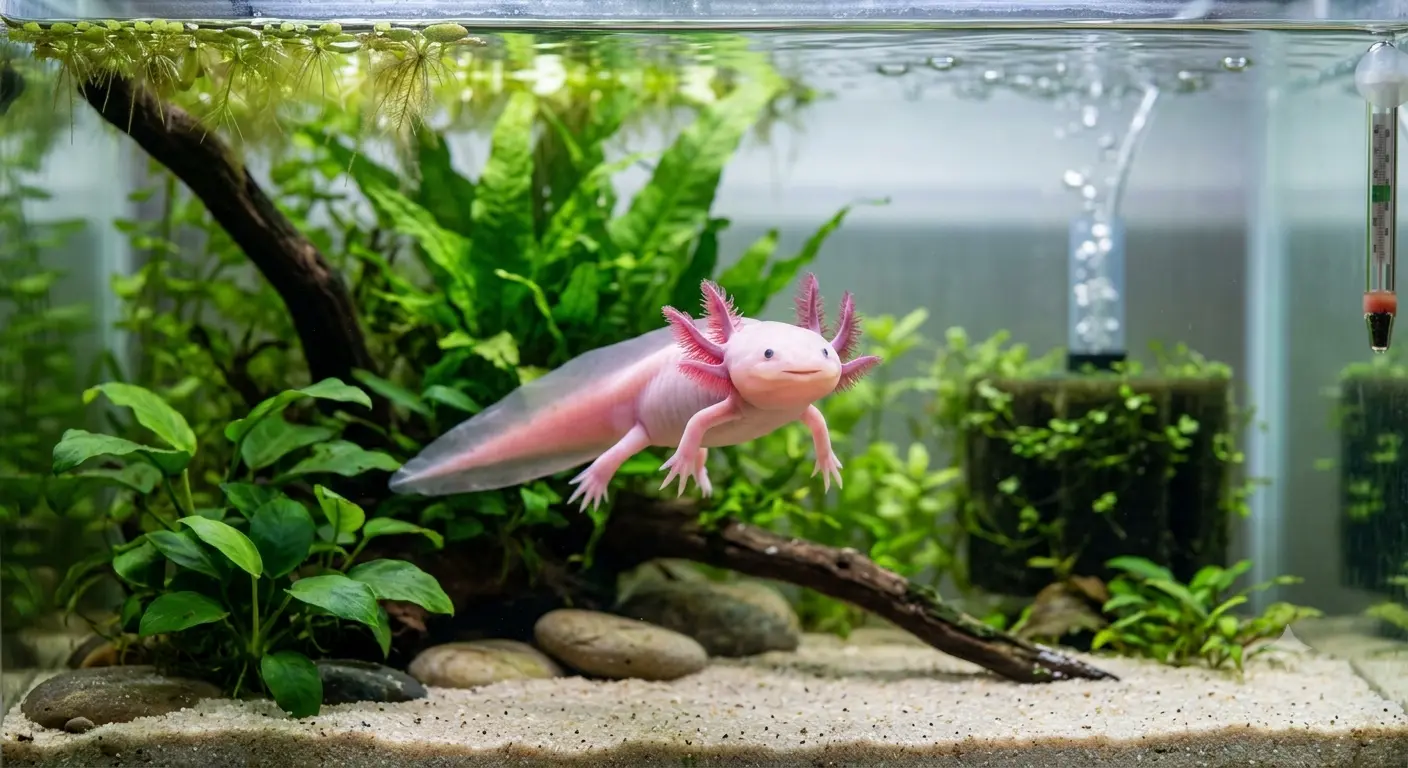
The Verdict from Real Owners: Are Axolotls Dangerous to Humans?
If you drop into popular pet forums to ask are axolotl dangerous reddit threads will quickly reassure you with lighthearted humor. Humans simply have nothing to fear from a physical attack by these creatures. Their mouth structure relies on suction rather than mechanical tearing power, making a bite feel like little more than a soft tickle or gentle sandpaper rasp.
Unlike dart frogs or specific toad species, axolotls produce no dangerous cutaneous toxins through their skin that can harm human hands. Holding your hand near one might result in an accidental snap during feeding time, but it will never result in bleeding or severe tissue damage. The real danger in human-axolotl interactions is almost entirely directed toward the animal rather than the keeper.
Human hands carry natural oils, residues from hand soaps, and microscopic pathogens that easily breach the permeable mucoid coating protecting an amphibian’s body. Touching them directly can trigger severe bacterial or fungal skin infections in your pet. So while they cannot physically hurt you, unsafe handling poses a massive hazard to their delicate immune system.
Understanding the Axolotl Bite Force and Anatomic Structure
To truly understand why these creatures are harmless to people, we need to inspect their anatomy. Axolotls possess vestigial teeth—tiny, blunt structures known as pedicellate teeth located along the roof of their mouth and jawlines. These teeth are designed solely to grip slippery prey like earthworms, small crustaceans, or tiny fish before swallowing them whole.
When searching online about whether are axolotl dangerous reddit users often share videos of their pets attempting to swallow a human finger. The mechanism behind this action is buccal suction. The animal rapidly expands its throat cavity to pull in water along with its meal, creating a sudden vacuum effect that feels surprisingly weak to human skin.
Because they lack sharp edges, slicing teeth, or powerful jaw muscles, a full-force snap from a fully grown adult giant specimen cannot rupture human epidermal layers. You might feel a brief pinch, but there is zero danger of mechanical injury, making them exceptionally safe around curious adults and supervised children alike.
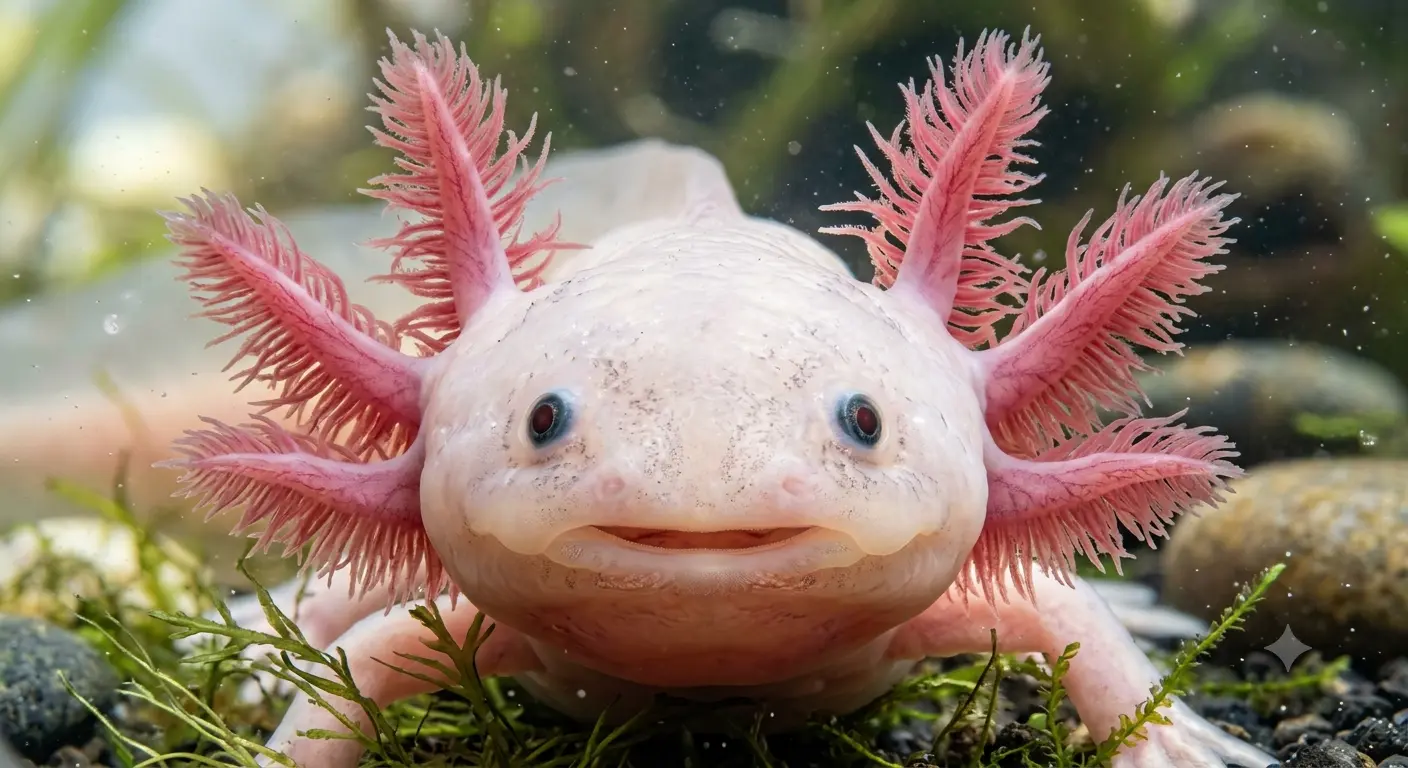
Are Axolotls Dangerous to Other Tank Mates and Fish?
While humans remain completely safe, the story changes drastically when discussing cohabitation inside an aquarium. When hobbyists inquire if are axolotl dangerous reddit veterans emphasize that they are opportunistic carnivores that will attempt to swallow anything that fits inside their wide mouths. Small fish, freshwater shrimp, and snails are instantly viewed as snack food.
Furthermore, keeping fish with your amphibian often leads to disaster in the opposite direction. Nibbling fish such as tetras, guppies, or cichlids are drawn to the flowing, protein-rich external gill filaments of the axolotl. They will relentlessly pick at these delicate structures, causing immense stress, secondary fungal outbreaks, and eventual death for the amphibian.
Co-housing multiple axolotls together also carries inherent risks, particularly among juveniles. Young specimens have strong cannibalistic tendencies and will readily nip off the legs, external gills, or tails of their tank mates. While they possess incredible regenerative powers, limb loss causes severe stress and opens the door to infectious diseases.
To keep aquatic pets healthy, experts recommend consulting dedicated resources such as the Association of Reptile and Amphibian Veterinarians (ARAV) for professional veterinary care guidelines. Additionally, if you are looking to explore complete care profiles and safety breakdowns, check out our in-depth guide on how to maintain a safe axolotl habitat today.
Toxicity and Salmonellosis: Myths vs. Biological Facts
A common misconception floating around social media is that these smiling aquatic creatures carry deadly poisons similar to exotic sea slugs or pufferfish. Scientifically speaking, Ambystoma mexicanum produces no defensive neurotoxins or skin poisons. Touching water inside their enclosure will not transfer dangerous chemical compounds to your body.
However, like almost all aquatic organisms, reptiles, and amphibians, their aquatic habitat can harbor bacteria such as Salmonella, Aeromonas hydrophila, or Pseudomonas. These bacterial strains thrive in organic waste, decaying food debris, and unmaintained mechanical filters within the tank environment.
Human infection risks remain extremely low as long as basic hygiene protocols are maintained consistently. Washing your hands thoroughly with warm water and antibacterial soap after performing tank maintenance, siphon cleaning, or water changes completely eliminates the threat of bacterial transmission to your household.
Risk Comparison Matrix: Axolotls vs. Popular Aquatic Pets
To provide a clear perspective on safety, let us compare how these smiling amphibians stack up against other common freshwater inhabitants regarding bite risk, toxicity, and care difficulty.
| Pet Species | Bite Hazard to Humans | Toxicity Level | Threat to Tank Mates |
|---|---|---|---|
| Axolotl | None (Soft Suction) | Zero Cutaneous Venom | High (Eats Small Fish) |
| Red-Eared Slider | Moderate to High (Sharp Jaw) | Low (Salmonella Carrier) | High (Predatory) |
| Betta Fish | None | Zero | Moderate (Territorial) |
| Pufferfish (Dwarf) | Minor (Sharp Beak) | High internal (if ingested) | High (Fin Nipper) |
A Keeper’s Journey: The Day Barnaby Taught Me Respect
When I first brought home a wild-type leucistic named Barnaby back on a rainy Tuesday in October, I assumed keeping an aquatic pet would be as straightforward as dropping pellets into a bowl. I had read dozens of forum posts and thought I knew everything about tank setups. Yet, my first major hurdle hit me three weeks later when I noticed his vibrant pink gill filaments turning dull gray and curling dramatically forward.
Panicking, I immediately defaulted to what I thought was standard wisdom from an old fishkeeping book. I added a mild over-the-counter aquarium salt treatment directly to the main tank to combat what I assumed was a simple fungal outbreak. That decision was a catastrophic mistake; within hours, poor Barnaby began thrashing against the glass, his skin sloughing off in tiny translucent sheets because his delicate mucosal barrier was being chemically burned by the salt concentration.
I felt an overwhelming wave of guilt and frustration as I sat on the floor watching him suffer. Desperate for a safe solution, I cleared out a food-safe plastic tub, filled it with fresh dechlorinated tap water cooled down with ice packs, and gently transferred him using a soft container instead of a net. It took three agonizing weeks of daily 100% water changes in that tub, combined with cold tea baths, to soothe his irritated skin and allow his gills to regenerate. That stressful accident taught me that the real danger in keeping these animals lies entirely in our own unverified assumptions and improper water chemistry management.
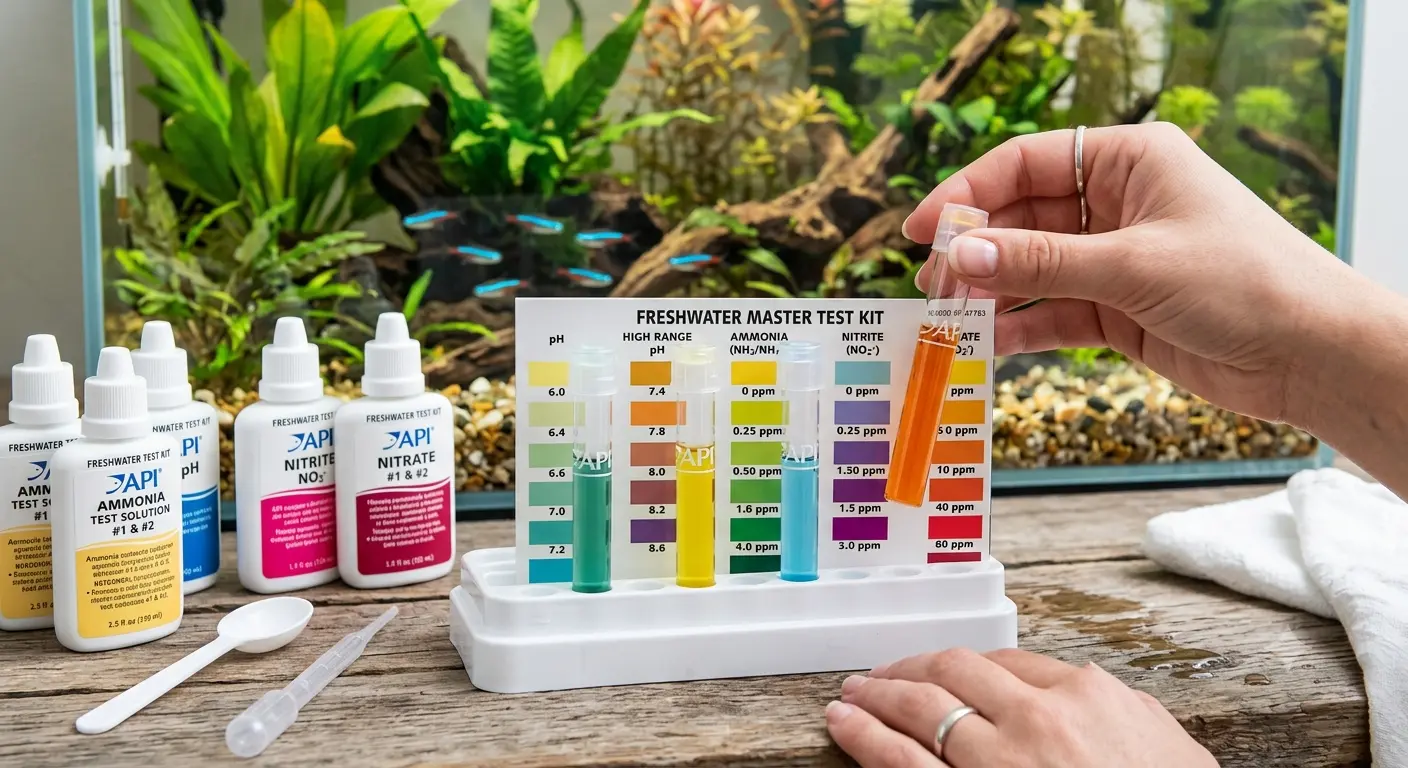
Essential Safety Rules for Every Axolotl Owner
Ensuring your pet lives a long, healthy life free from hazardous conditions requires strict adherence to environmental parameters. When discussing housing setups where are axolotl dangerous reddit hobbyists constantly stress that water quality and temperature are the two ultimate pillars of success.
Keep these fundamental rules at the forefront of your care routine to eliminate invisible threats:
- Maintain Low Water Temperatures: Keep water strictly between 60°F and 68°F (15°C to 20°C). Temperatures exceeding 72°F (22°C) severely weaken their immune systems, leading to lethal bacterial infections.
- Use Bare-Bottom or Fine Sand Substrate: Gravel or small pebbles pose an extreme risk of intestinal impaction. Axolotls vacuum up substrate while eating, and trapped stones can prove fatal without surgical intervention.
- Perform Weekly Water Changes: Conduct 20% to 30% water changes weekly using a quality water conditioner that specifically removes chlorine, chloramines, and heavy metals without heavy aloe vera additives.
- Avoid Tank Lighting Intensity: These creatures lack eyelids and are exceptionally sensitive to bright lights. Provide plenty of dark hideouts, hollow logs, or smooth ceramic pipes.
Frequently Asked Questions (FAQs)
Can an axolotl bite off your finger?
No, it is physically impossible. They lack strong bone-crushing jaws or sharp cutting teeth. Their bite feels like a harmless, weak suction cup grasping your finger for a split second before letting go.
Are axolotls poisonous to touch with bare hands?
They are not poisonous at all. However, you should avoid touching them with bare hands because your skin oils, lotions, and soap residues damage their delicate protective slime coat, making them susceptible to lethal infections.
Why do people online ask if are axolotl dangerous reddit threads frequently?
Most beginners ask because of their alien-like appearance, exotic classification, and predator-like feeding habits. Threads frequently clarify that while they are completely harmless to humans, they are dangerous to small tank mates like shrimp or small fish.
What happens if my pet accidentally swallows gravel?
Swallowing gravel leads to intestinal impaction, a life-threatening condition where the stones block the digestive tract. If this occurs, immediately tub your pet in cold water and consult an exotic animal veterinarian.
Can I keep an axolotl with a goldfish?
No. Goldfish produce high amounts of waste that ruin water quality, and they frequently peck at an axolotl’s delicate gills. Additionally, goldfish can become a choking hazard if the axolotl tries to eat them.
Conclusion: A Harmless Companion Needing Proper Care
Ultimately, when prospective owners ask are axolotl dangerous reddit discussions and scientific facts point to the exact same conclusion: these adorable aquatic amphibians pose no physical threat to human safety. They are peaceful, fascinating, and entirely non-venomous creatures that bring immense joy to exotic pet enthusiasts across the globe.
The true responsibility lies in protecting them from environmental hazards within our homes. By providing cool water temperatures, avoiding dangerous gravel substrates, keeping them in species-only enclosures, and keeping your hands out of the tank, you can ensure your aquatic companion enjoys a safe, healthy life for up to fifteen years.